AI is a plagiarism machine writers say
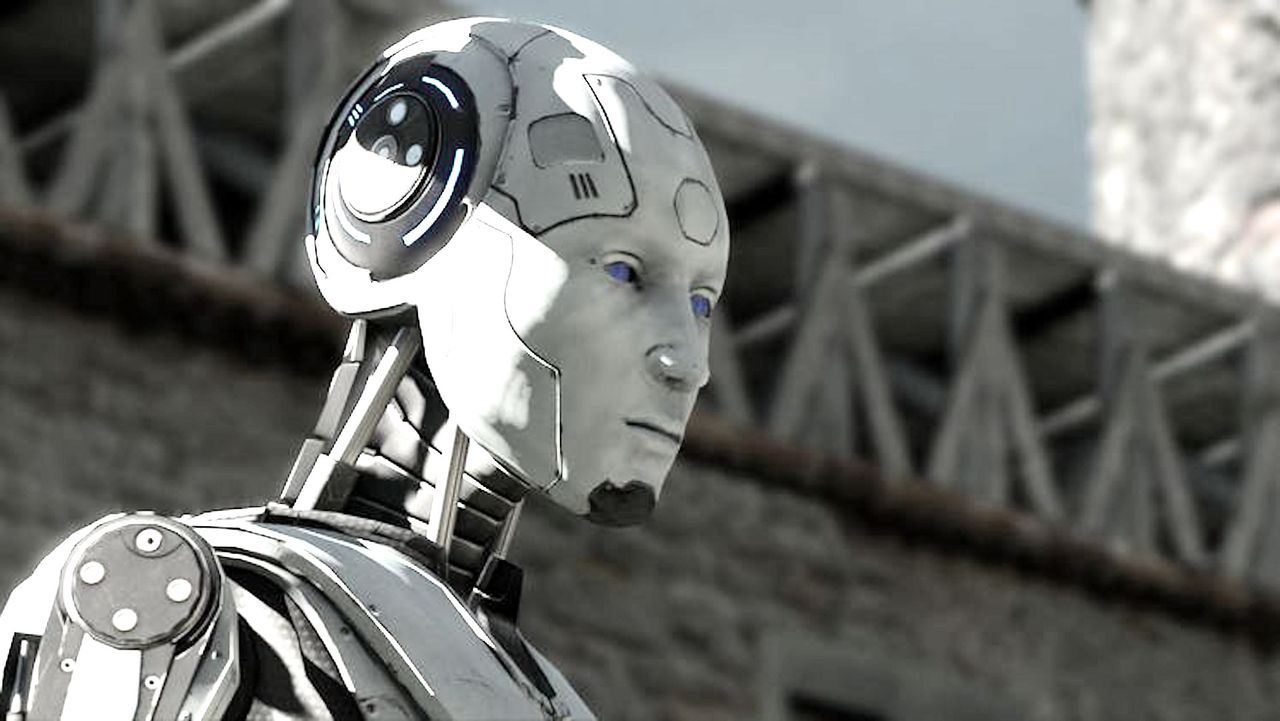
The rise of artificial intelligence is heralded as the next creative revolution, but for many of the most respected figures in the gaming and creative industries, the conversation has taken a decidedly cautious turn. Instead of celebrating AI as the ultimate creative tool, many are questioning whether it is truly the key to making good games, or if it is, in fact, a profound hindrance to the very essence of creativity.
The skepticism isn’t just academic; it comes from the trenches of development. Industry titans are grappling with the messy reality of using machine learning, often finding the promises of the technology far outpace its actual utility. For instance, celebrated figures in game development have voiced clear reservations. Larian’s lead writer, for example, has dismissed AI-generated text, rating its quality as “a 3/10 at best,” suggesting that relying on it for core creative output is simply not a reliable path.
This resistance extends beyond simple quality concerns into deeper strategic and philosophical debates. Founders and CEOs are signaling that the profit-oriented nature of the market clashes with the goals of true innovation. Brendan Greene, founder of PUBG, has noted that as AI content proliferates, it becomes less trustworthy, describing the situation as a “race to the middle of shit.” Meanwhile, others point out that if a system is designed purely for profit, its outputs are inherently backward-looking, regardless of how advanced the technology is.
Even those known for overpromising, like Peter Molyneux, are tempering their enthusiasm regarding AI’s role in game development, emphasizing that caution is necessary before widespread adoption.
Beyond the immediate quality of the output, the conversation shifts to the nature of the technology itself. There are grandiose claims being made about artificial general intelligence and the singularity, yet many observers find these declarations disconnected from the current state of machine learning. The reality is that many of the current discussions—involving concepts like AGI and the eventual end of human control—feel less like a description of actual technological breakthroughs and more like attempts to “juice up the stock market.”
When looking at what we call AI in the industry today, the focus often drifts to Large Language Models (LLMs) and machine learning forms, which are fundamentally powerful statistical engines rather than conscious entities. As narrative designers reflect on the current landscape, they characterize these systems as incredibly intelligent versions of the autocorrect on a phone—sophisticated plagiarism machines that can automate tasks, but which lack genuine understanding.
This brings the discussion away from the technology and toward the most pressing societal issues. When AI leads to job displacement, the root problem is not technological; it is a labor issue. The core questions become far more important: why is the power of labor so weak relative to capital, and how do we defend against owners who seek to eliminate the workforce?
Ultimately, while AI is undeniably a powerful tool, the industry must tread carefully. The technology itself is impressive, but the hype surrounding it often overshadows the need for genuine, human-centered creative solutions. The goal should be to harness the potential of machine learning without sacrificing the integrity of creativity or ignoring the fundamental human challenges that AI, for now, does not solve.
Buy on Amazon
Credit