
AI optical market hits $144B driven by silicon photonics
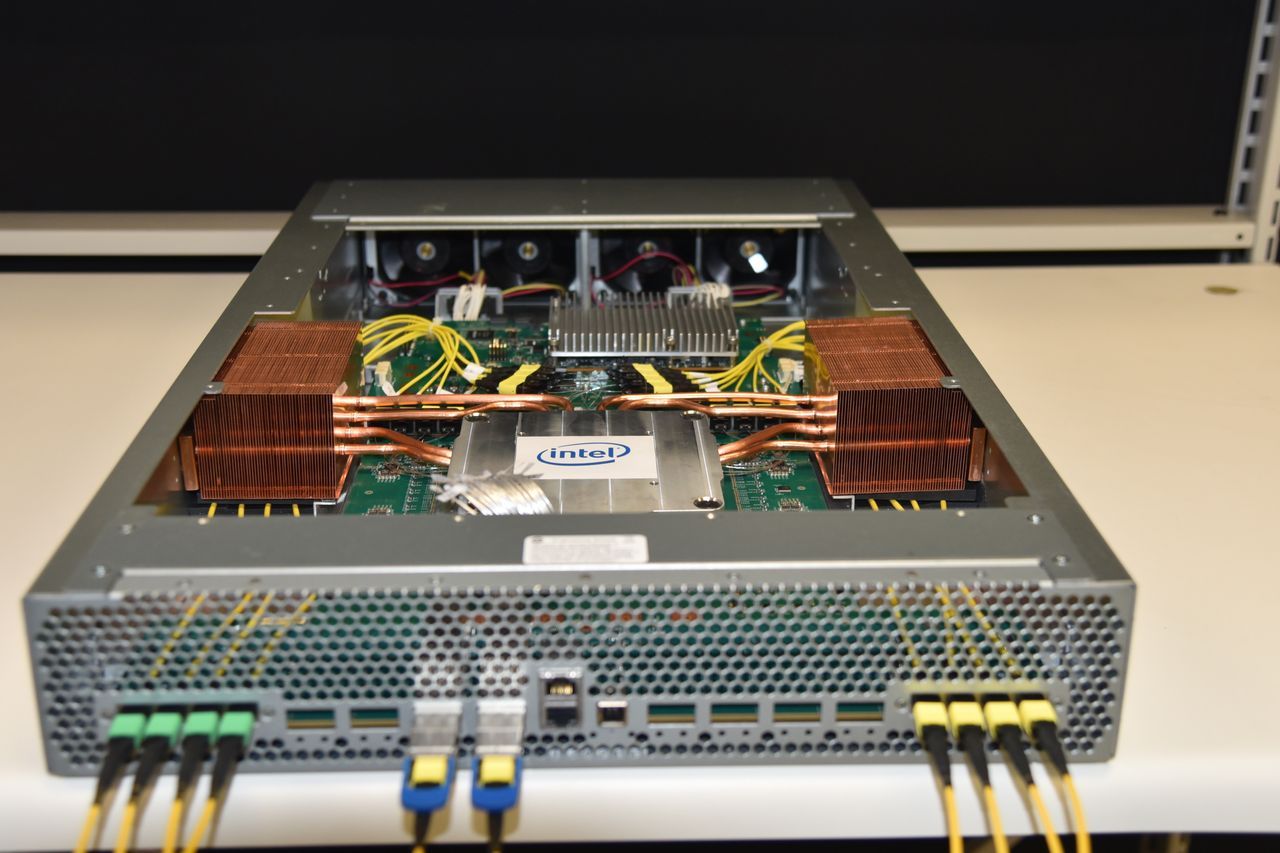
The future of data is no longer being decided by faster processors; it’s being decided by the light that carries the information. The global data center optical interconnect market is on an explosive growth trajectory, poised to reach $144.4 billion by 2030, a staggering 48.1% compound annual growth rate. This monumental shift, fueled by the demands of artificial intelligence, is transforming how colossal data flows between servers and accelerators.
At the heart of this revolution is the transition away from traditional electrical signals and copper wires, which have become a serious bottleneck. For decades, data centers relied on copper for internal communication, but as AI workloads swelled, the limitations of copper—its power consumption and signal loss over distance—became untenable. Past a few hundred gigabits per lane, copper hit a wall, making it impossible to handle the multi-trillion-data demands of modern AI.
The solution is simple and elegant: moving data as light. Photonics allows information to travel through optical transceivers, converting electrical signals into laser light, sending them down fiber, and converting them back at the destination. This change is not just about speed; it’s about unlocking the next generation of computing power.
To truly harness this potential, the industry is aggressively pursuing integration. The key innovation is co-packaged optics (CPO), which aims to bring the optical engine closer to the compute. Instead of signals traveling inches across copper traces to remote modules, CPO places the photonic integrated circuit directly onto the switch or accelerator package, drastically shrinking the electrical path.
This focus on integration drives the prominence of silicon photonics (SiPh). Silicon photonics is the practice of manufacturing optical circuitry using the same mature, high-volume CMOS processes used for conventional chips. This approach is proving revolutionary, with SiPh projected to account for 63.7% of the total optical revenue by 2030, cementing silicon-based optics as the default architecture for the future.
The race to integrate light is complex, requiring breakthroughs in materials science. While silicon offers the scalable manufacturing base, generating the actual light requires laser chips, which traditionally rely on more expensive materials. The cutting edge is now bridging this gap, with innovative platforms aiming to integrate III-V laser material directly into the silicon photonics flow. This convergence—integrating the laser with silicon—is the crucial step toward mass-producible, high-speed photonic chips.
The market growth is concentrated in specific areas, reflecting the physical reality of data center demands. While all areas are expanding, the demand for scale-up—short-reach links between servers and switches—is experiencing explosive growth. Even more dramatic is the acceleration in data rates: the industry is migrating rapidly from 400G and 800G links toward 1.6T and even 3.2T speeds. These next-generation speeds are set to dominate the market, with 1.6T links anticipated to become the single largest segment by 2030.
This technological evolution is being propelled by massive corporate and industry moves. Investments in photonics are surging, with major players and hardware giants forming alliances to tackle the AI data bottleneck. Through strategic acquisitions and multi-source agreements, companies are building the necessary supply chains, ensuring that the complex components—from the chips to the lasers—are available at scale.
Ultimately, the trajectory of the data center market points toward an optical future where silicon photonics and co-packaged optics deliver the power, speed, and efficiency needed to feed the insatiable hunger of artificial intelligence.
Credit

