
Amazon’s Texas AI plant could be US’s largest CO2 pollution source 33M tons
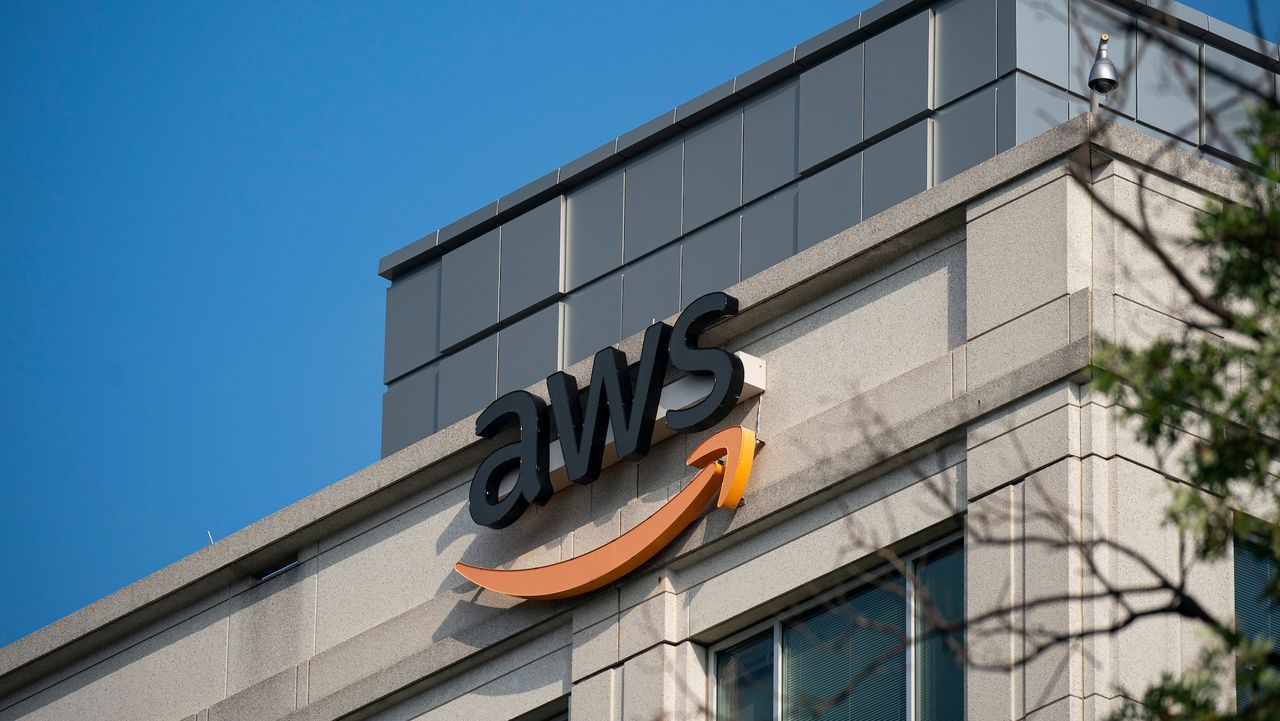
The quest for artificial intelligence, while driving innovation, comes with a staggering environmental price tag. A new Amazon data center project is poised to become one of the largest sources of pollution in the United States, setting a stark example of the energy demands fueling the AI boom.
In Pecos County, Texas, Amazon is constructing a massive facility that will require a natural gas power plant to keep the servers humming. The plan involves installing 35 natural gas turbines to generate up to 7.65 gigawatts of power for the data center. This new generation facility has been authorized to release 33 million tons of carbon dioxide annually, placing it among the most polluting power plants in the country.
This massive energy draw presents a paradox for the tech giant. Amazon had previously pledged to achieve net-zero carbon emissions across its global business operations by 2040, part of a broader commitment to sustainability initiatives like The Climate Pledge. However, the accelerating expansion of data centers to support AI growth has led to rising emissions, challenging these earlier promises.
When confronted with the reality of this energy-intensive expansion, Amazon spokespeople have acknowledged the impact of its intense AI ambitions. Despite the struggle, the company maintains its commitment to its long-term goals, recognizing that the global landscape—and the technology driving it—has evolved since initial pledges.
This shift in infrastructure is not unique to Amazon; many hyperscalers and data center operators are opting for dedicated on-site power generation. This move, known as “behind-the-meter” solutions, is driven by two main factors: the lengthy timelines required to connect new power-hungry facilities to the grid, and growing community concerns over the irreversible hikes in electricity prices associated with grid expansion.
As companies seek to power their operations sustainably, they are exploring various energy sources, including nuclear power deals and massive investments in orbital solar energy. However, the practical reality often points back to established infrastructure. Natural gas remains a leading preference for these colossal operations due to its scalability and speed of availability.
This reliance on fossil fuels is not without political backing; current administrations have promoted oil, natural gas, and coal projects as key drivers for data center development, suggesting that the push for high-capacity power infrastructure often favors traditional energy sources over renewable alternatives in the race for technological advancement.
Credit