FCC bans foreign LiDAR drones calls them military grade impacts drone swarms
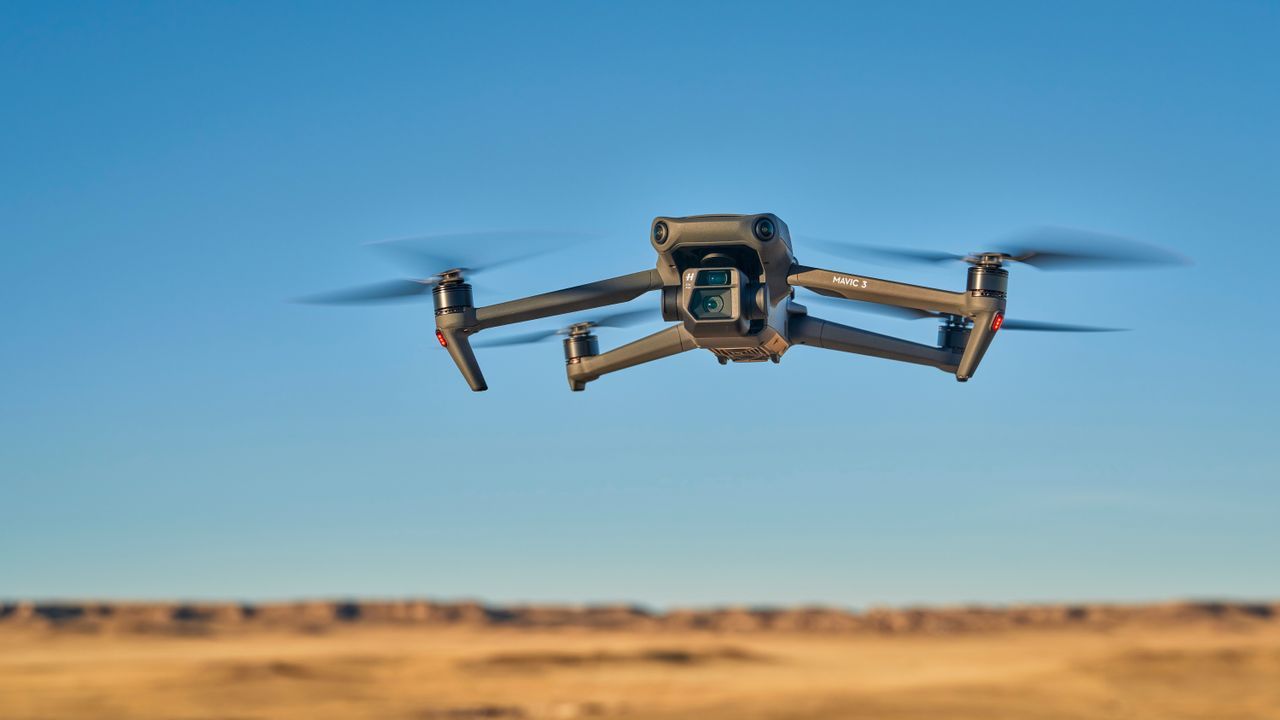
The sky-high world of consumer drones is facing a regulatory reckoning, as the Federal Communications Commission (FCC) proposes a sweeping change that could dramatically alter what flies in American skies. The agency is moving to retroactively ban the import and sale of certain foreign-made drones that incorporate LiDAR obstacle-avoidance features, effectively removing some highly popular consumer models from US shelves.
This move stems from a broader mandate concerning national security. Earlier in the year, the FCC had placed all foreign-made drones and their critical components onto its Covered List, classifying them as posing an unacceptable risk to national security. This initial action blocked new foreign drone models from receiving necessary authorization for sale in the United States.
Now, the agency is seeking to tighten this restriction by proposing a retroactive ban on previously approved models that it deems “military-grade.” The proposal targets drones that integrate LiDAR technology—the laser sensing system essential for modern obstacle avoidance—categorizing this feature under a broad military framework.
The impact of this decision hits mainstream consumer tech directly. Models like DJI’s Air 3S and Mini 5 Pro, which rely on LiDAR for sophisticated navigation and safety features, would no longer be available for purchase in the US market under the proposed rules. While existing drone owners are not immediately affected and can continue flying their current models, manufacturers have already warned that sourcing official spare parts for these technology-rich drones could become increasingly difficult or impossible over time.
The definition of what falls under this restrictive classification is extensive. The FCC’s framework includes features beyond simple obstacle avoidance, encompassing drones with thermal imaging sensors, those capable of dispensing agricultural sprays, models weighing 55 pounds or more, and those that integrate defense articles or operate in coordinated swarms—a category wide enough to include synchronized light shows.
The FCC frames this regulatory shift purely through the lens of national security. It suggests that the economic fallout from limiting access to these specific models would be minor, especially considering the vast market dominated by recreational fliers. However, this move has sparked significant debate among industry stakeholders and legal challenges. Manufacturers argue that technologies like LiDAR are fundamental safety features, not weapons, while contesting the designation of foreign drones on the Covered List.
This regulatory tension has already played out in court, with manufacturers challenging the FCC’s authority over its categorization decisions, aiming to ensure that public safety and technological innovation are balanced against security concerns.
Buy on Amazon
Credit