Death threats lead Kansas town to virtual meetings over AI data center
When public safety takes center stage, even local government proceedings must adapt. In Emporia, Kansas, the city council recently made a significant shift, moving their public meetings online following threats directed at some of its elected officials.
In a move prioritizing the safety of city leaders and the public, the Emporia City Commission announced that scheduled meetings will be conducted virtually. This decision was implemented two days before the sessions set for August 5, 2026, and August 19, 2026.
This change involved streamlining the process: no public comment period will be offered during these virtual meetings. Instead of traditional open forums, citizens were directed to an email address and phone number to privately air their concerns with council members.
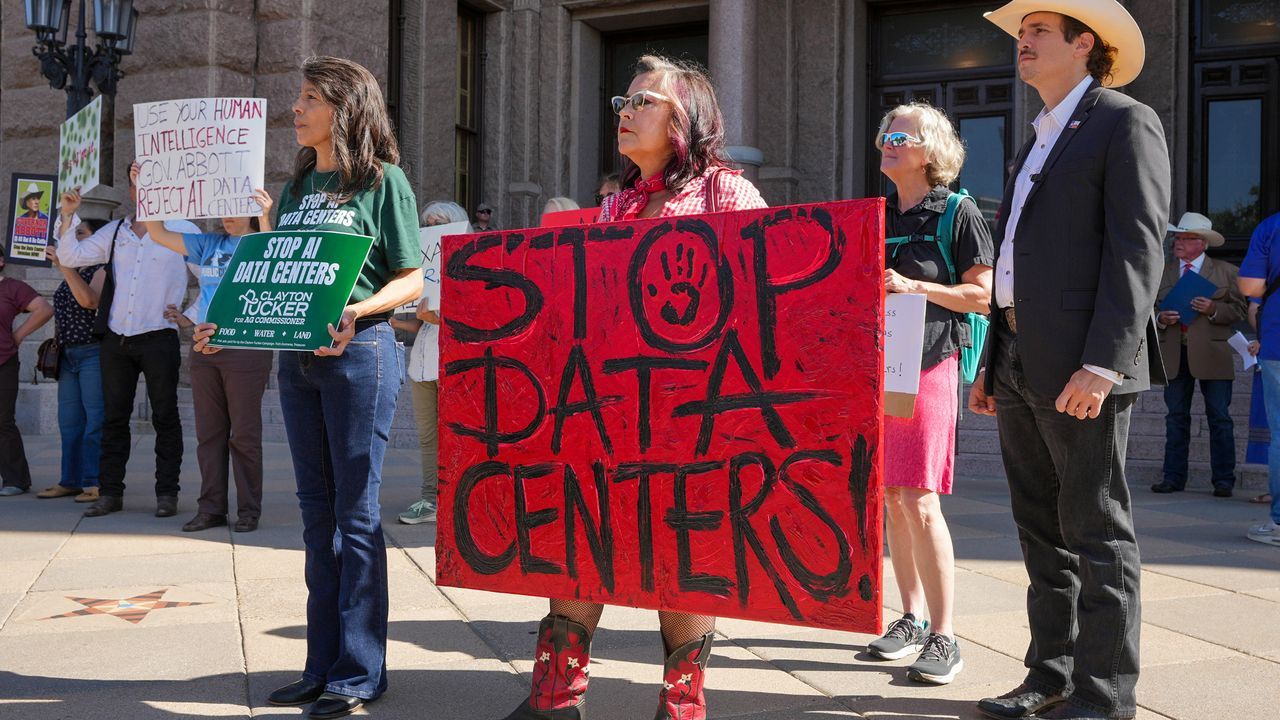
While this shift was understandable given the security concerns raised, it sparked some community reaction. Citizens expressed frustration not just with the decision to go virtual, but with the elimination of public comment opportunities, leading to protests outside the municipal auditorium.
One former council member, who had been arrested during a previous meeting, reflected on the situation. They questioned the scope of the threats, suggesting that while credible danger existed, the focus should be on understanding the source rather than reacting to fear. “I’m more upset that they opted to close public comment and I don’t understand why,” they noted.
The city administration maintained that this action was taken in the interest of transparency and public safety, emphasizing a commitment to conducting business openly while taking reasonable steps to protect officials and citizens. However, behind the curtain of virtual meetings, other crucial matters were also on the agenda.
During the session, the council considered a petition to place a ban on data centers on the ballot. The council voted unanimously to send this measure for judicial review, citing concerns about potential lawsuits from various parties if they moved forward without proper legal grounding.
This move reflected a cautious approach to regulatory action. Experts caution that local jurisdictions face complex legal hurdles when attempting to impose broad bans, with some state officials warning counties that they cannot legally enforce such restrictions.
Buy on Amazon
Credit