
Onimusha’s Realistic Sword Combat Secrets
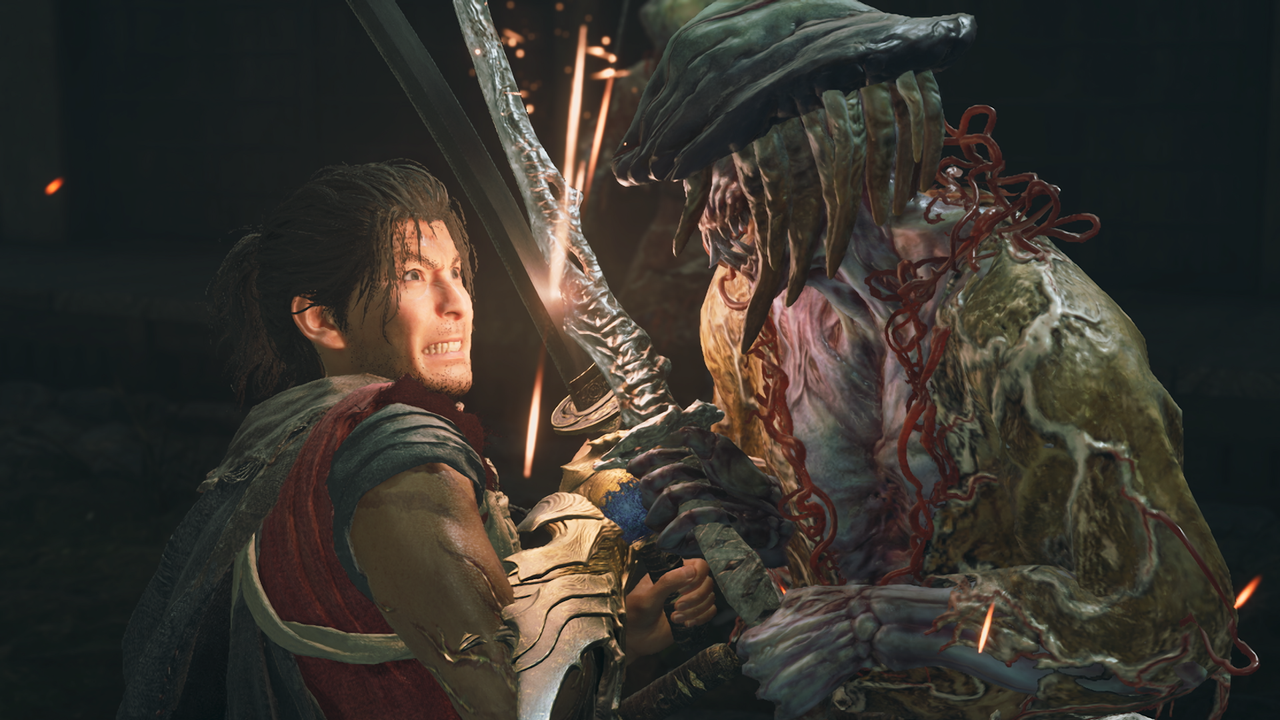
Creating the epic clash of legendary swordsmen is more than just programming; it’s an exercise in deep historical research, artistic choreography, and cutting-edge technology. This philosophy was on full display during a recent world-exclusive preview of Onimusha: Way of the Sword, where the meticulous animation behind the legendary swordplay was examined up close.
When the game centers around the mythic figure of Miyamoto Musashi, a warrior renowned for mastering over sixty duels, the responsibility falls heavily on the creators to capture the essence of true swordplay. Animation director Hiroshi Yugen spoke passionately about this challenge, emphasizing that success begins long before any motion is captured.
“When we get to making action in our games, the first step is always kind of self-study and learning about how to do these things and how to use these things,” Yugen explained. “We really wanted to focus on creating this very realistic, grounded sword action for the game, so from the very beginning, the main goal was first to research the depths of swordplay and how to do that.”
To ensure authenticity, the team didn’t rely solely on imagination. They partnered with specialists, introducing motion capture artists and action stunt coordinators from Katsugekiza Motion Capture Studio—experts who have choreographed famous cinematic sword fights.
The technical process involved capturing these dynamic sequences using Capcom’s state-of-the-art motion capture studio in Osaka, equipped with over 150 high-tech cameras. Stunt actors and experts, fully geared up, performed the choreography while receiving real-time direction from Yugen.
The process required a unique feedback loop. Yugen would explain the game’s mechanical rules and how the action needed to be executed, ensuring the physical performance aligned perfectly with the digital design specifications. This ensured that the captured movement was rooted in the intended gameplay mechanics.
Once the rehearsal takes were completed, the real magic happened: the motion-captured footage was injected directly into the game engine, Capcom’s upgraded RE Engine. This groundbreaking step allowed the recorded animations to be instantly appraised within the game environment, letting the team review and revise details until the action felt exactly right.
This iterative process meant that choreography was not just a performance but a dynamic experiment. The experts worked through multiple takes, iterating until the captured motion perfectly matched the desired in-game experience.
While the game’s director held the ultimate sign-off on the final aesthetic, the commitment to perfection extended to the performers themselves. As Yugen noted, if an actor felt a move wasn’t quite right, they insisted on additional takes until every detail was satisfied. It was evident that a tremendous amount of expertise and dedication went into crafting these animations.
The result is a display of true technical prowess, transforming the legendary skill of sword mastery into breathtaking, living action. The commitment to quality has ensured that Onimusha: Way of the Sword delivers an unforgettable visual and physical experience.
Buy on Amazon
Credit