Arkane vets refuse trend chasing and it paid off
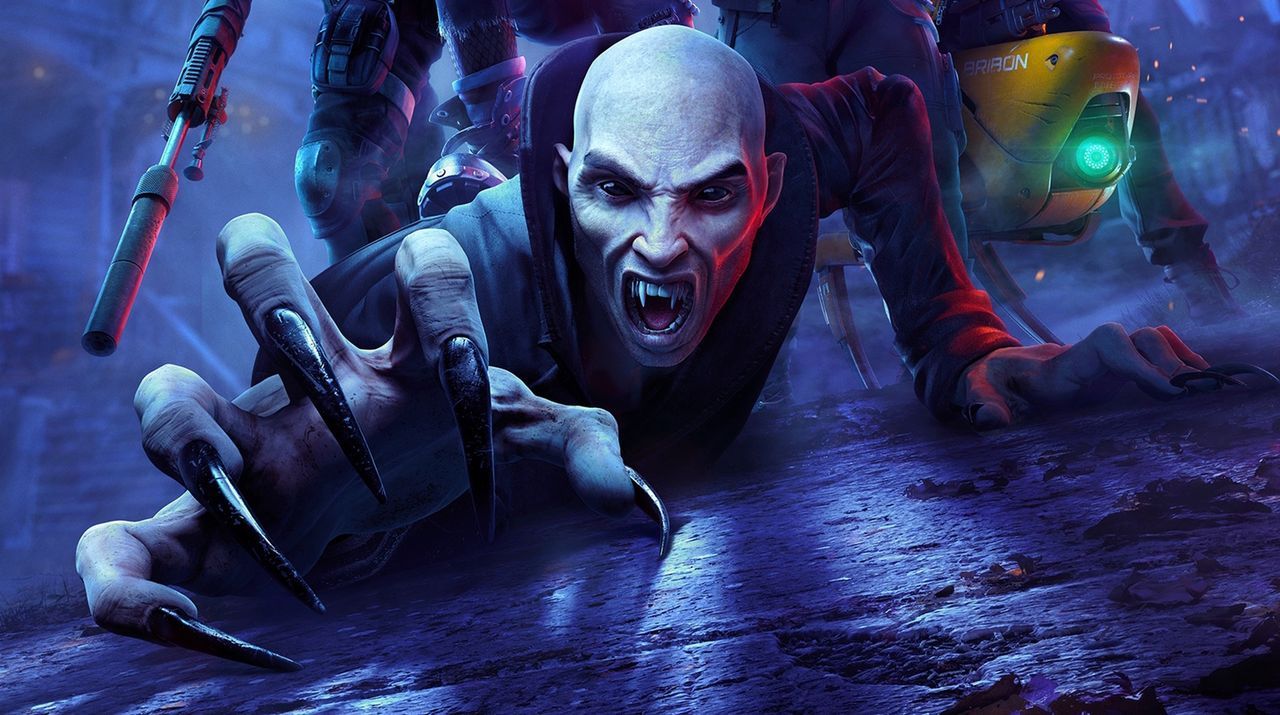
The demise of Arkane Austin is more than just a missed opportunity for Microsoft; it represents a deeper, more frustrating truth in the gaming industry: the pressure to chase fleeting trends often forces visionary studios to abandon their core identity.
While the industry chases the latest hotness, some of its most established developers are quietly arguing that focusing on what truly excites them is the only sustainable path to greatness. This sentiment is particularly relevant for the immersive simulation genre, a space once defined by depth and atmosphere, that now faces relentless external demands.
This tension was explored recently by veteran Arkane figures, including co-creator of Dishonored, Harvey Smith, and former Arkane vet, Ben Horne. When asked about the future of the immersive sim genre, their response cut straight to the heart of the matter: cultural longevity beats trend-chasing.
“If you look back through those games,” Smith noted, “there are a lot of titles that people still talk about 10 or 20 years later. They have a lot of cultural cachet. And there are a few, if you look at BioShock or Deus Ex or Dishonored, that make a lot of money.”
The argument pivots on the concept of lasting impact. It suggests that games built on strong creative vision, rather than simply adhering to current market whims, are the ones that generate enduring value. This perspective is reinforced by the realities of development, where balanced budgets and solid returns on investment are crucial.
“If you look at Dishonored, for instance, the budget that we were working with was… I wouldn’t say tiny. Many triple-I developers would envy that budget, but it was very reasonable. And our return on investment was four or five times the total spend,” Smith shared.
For developers like Ben Horne, the mission of a new studio like Black Pony Immersive is explicitly to escape the tyranny of trend chasing. Horne believes that the industry is growing in such a way that there is a vast, varied appetite among players, making it impossible for studios to accurately predict what the next big trend will be.
“Our best shot is to rally around a creative vision that excites us as developers,” Horne explained. “It excites the audience that we know wants to play this kind of game. That’s the best chance of making something great.”
This focus on internal vision stands in stark contrast to the often-cynical mandates coming from executive leadership. Smith and Horne reflected on the often-contradictory promises made throughout the industry, noting that many popular claims—such as the idea that first-person games don’t sell, or that free-to-play models are the inevitable future—often prove to be marketing noise.
Ultimately, the consensus among some industry veterans is that while executive demands may be filled with nonsense, focusing on a powerful, artistically driven vision remains the most reliable formula for success. True innovation, they suggest, stems not from following the herd, but from creating something that resonates deeply with the players.
Buy on Amazon
Credit
