Beelink SER10 Max Dual Boot: Windows and Ubuntu Setup Review
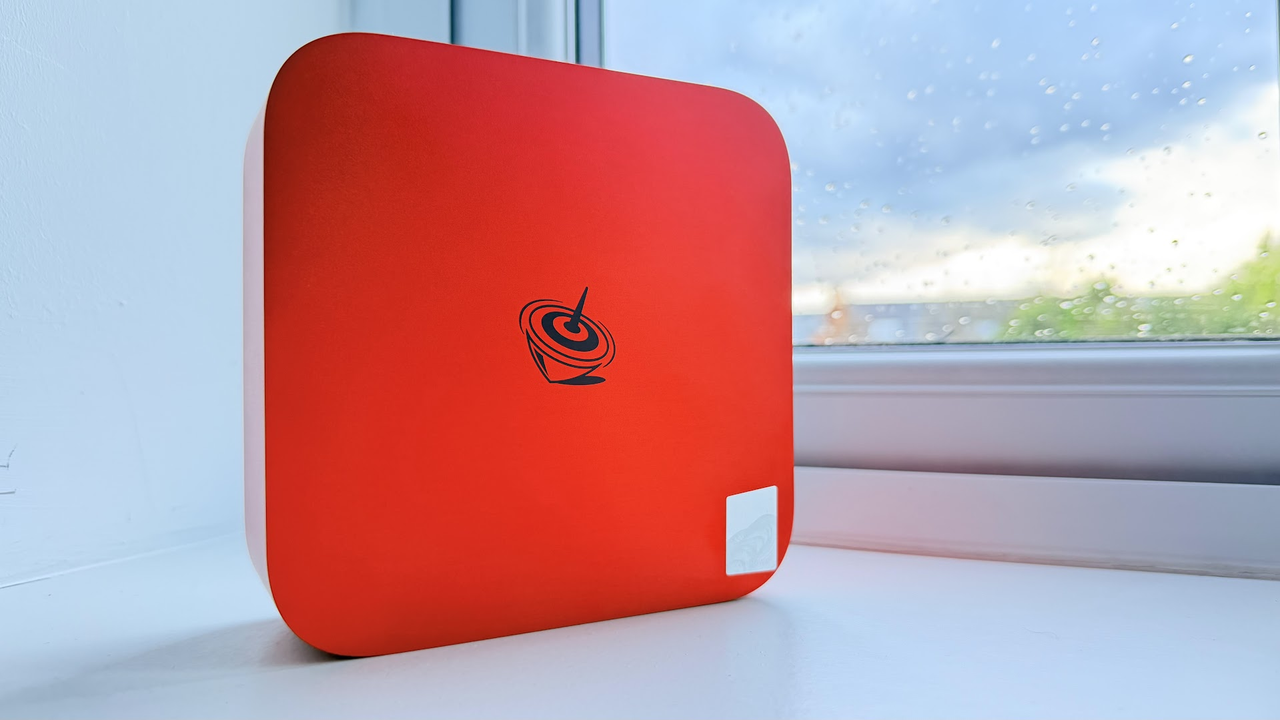
The Curious Case of the Dual-Booting AI Mini PC
Meet the Beelink SER10 Max: a mini PC that doesn’t just pack powerful specs into a compact frame, but also throws some delightfully curious features at you. While it boasts a sleek, Mac Mini-inspired design and cutting-edge AMD Ryzen AI 9 HX 470 processor, what truly sets this unit apart is its willingness to embrace complexity—it proudly runs dual operating systems: Windows 11 and Ubuntu.
This isn’t just a simple hardware arrangement; it’s an experimental setup. The Ubuntu installation comes pre-loaded with OpenClaw, a framework that makes running local Artificial Intelligence models surprisingly accessible. To make matters more interesting, the system even ships with a local AI model, Qwen 3.5-9B-Q4_K_M, ready to go. It begs the question: is this configuration a clever party trick for AI enthusiasts, or does it actually deliver serious utility?
Aesthetically, Beelink steps up to the challenge, utilizing high-quality machined aluminum for its shell, giving it a premium feel. Depending on the configuration, you can choose between a striking red anodized finish, reserved for models featuring OpenClaw, or a classic silver look that leans into the minimalist aesthetic. Despite the external power supply, the cooling system is remarkably refined, featuring vapor chamber technology and a single active fan that manages to stay quietly cool even under heavy loads—a rare feat in this small form factor.
Under the hood, the SER10 Max packs robust specs, including 64GB of fast DDR5 memory and an AMD Radeon 890M integrated GPU. This setup places it squarely in the middle of the pack for general productivity. For everyday tasks, demanding CPU operations, and even light video editing, the system performs admirably, demonstrating strong multi-threaded capability while remaining surprisingly quiet during sustained workloads.
However, when we dive into performance benchmarks, a subtle bottleneck emerges. The system is limited by its memory bandwidth, capped at 89.6 GB/s. This limitation becomes more apparent when dealing with intense local AI tasks; communicating model weights and generating tokens requires significant bandwidth, meaning the potential of running larger or more complex models is somewhat constrained.
For gamers, performance varies depending on the title. While it handles lighter indie titles like Hollow Knight: Silksong beautifully, pushing demanding AAA games like Cyberpunk 2077 pushes the limits of the Radeon 890M and the memory limitations. In graphically intensive titles, especially those that demand faster memory pools, other systems equipped with newer silicon often hold a performance edge.
The dual-booting capability itself is a feature that requires a bit of finesse. Switching between Windows 11 and Ubuntu isn’t as simple as tapping a menu option; you need to navigate the BIOS to select your boot drive. Furthermore, while running both operating systems is doable, managing the networking drivers between them sometimes requires extra setup. This complexity reminds us that convenience often comes with minor operational details.
Ultimately, the Beelink SER10 Max is a quiet, performant desktop computer excellent for most day-to-day needs. It’s a capable machine for productivity and light entertainment. For those passionate about local AI development, while it offers an entry point, advanced enthusiasts looking to run powerful models will likely find that systems with superior memory bandwidth and more robust architectures are the better long-term investment.
Buy on Amazon
Credit