Built Different vs Game Limits
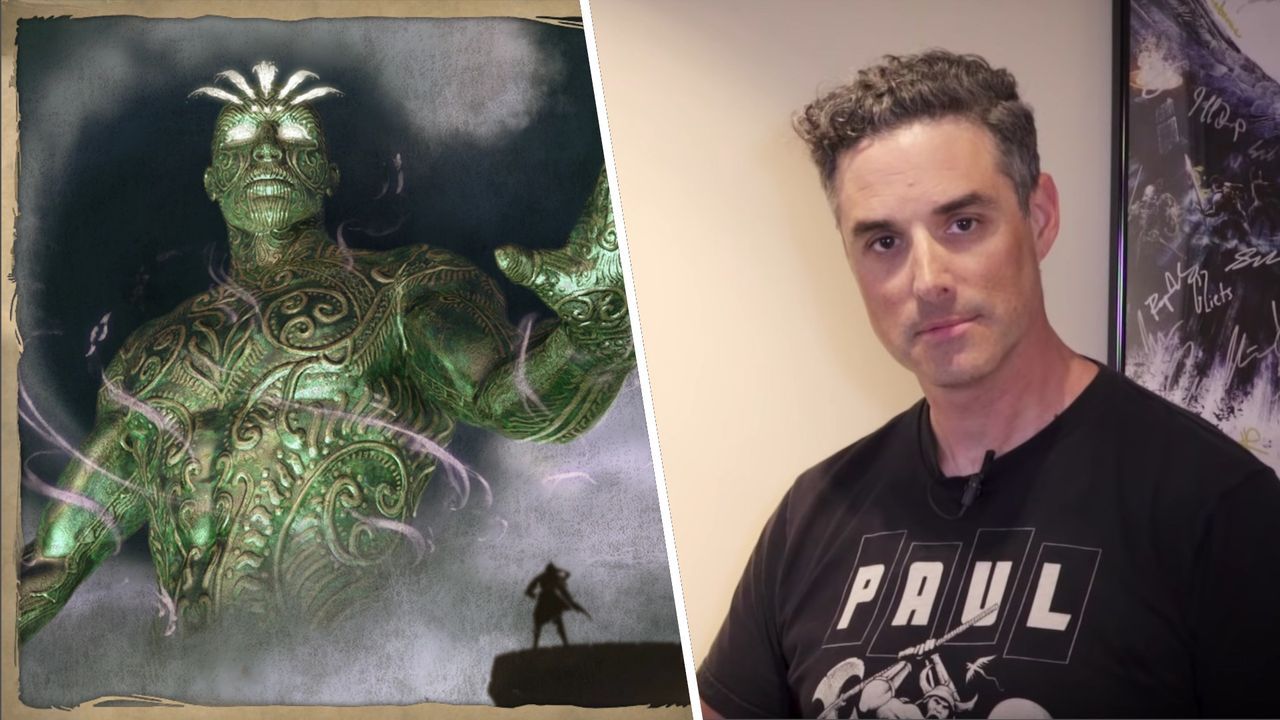
Pillars of Eternity 2: Deadfire landed firmly in the conversation as a standout title, sitting at number 40 on the PC Gamer Top 100 list. For many players, it stands as a personal favorite RPG of all time, but like any game that deals in grand cosmic stakes, Deadfire also sparks some spirited debate about its ultimate resolution.
The narrative is driven by the reawakening of the god Eothas and the player’s desperate quest to halt his destructive and irreversible ambitions. The initial premise promises a classic epic struggle, pitting a mortal against an immensely powerful deity in a race against time to prevent catastrophe.
However, when the confrontation finally arrives, expectations often clash with reality. Players who entered Deadfire seeking the satisfaction of being able to defeat an overwhelming cosmic force found themselves facing a narrative resolution that hinted at insurmountable limitations. The realization that the protagonist cannot physically stop the god is a heavy truth that some players found unsatisfying.
This tension between player expectation and game design, however, was intentional. Director Josh Sawyer reflected on this dynamic during interviews, explaining that the core philosophy of Deadfire revolved around exploring the true nature of power and its inherent limitations.
“You can’t stop Eothas,” Sawyer noted. “We telegraph that point clearly. We try to show that he is beyond physical hindrance, but players are conditioned by a lot of RPGs to expect, ‘Yeah, but I’m built different.'”
Sawyer argued that the game deliberately reframed the stakes away from simple combat and toward existential reality. While players can make crucial decisions and ameliorate damage within the world, they cannot override fundamental cosmic laws or the self-serving will of a god.
This perspective shifts the focus from physical victory to systemic struggle. The story suggests that true power lies not in brute force, but in understanding the inescapable constraints of existence. As Sawyer put it, “You are very powerful and you can do all these cool things, but the gods are still not going to listen to you.”
The game uses this framework to explore a more grounded, humanistic theme: that even in a fantastic world, there are problems—like mass starvation or suffering—that exist beyond mortal manipulation. These issues remind us that power is not absolute; it is bound by reality and the complex, often selfish, nature of beings, whether divine or mortal.
Ultimately, this thematic approach is what elevates Deadfire. It moves beyond traditional heroic narratives to explore the sobering truth that we are often buffeted by demands and realities that lie far outside our control. For those who embrace this nuanced view of power and fate, the game’s ending solidifies its place as a truly memorable and profound adventure.
Buy on Amazon
Credit