Cargo thieves ram security escorts hijacking AI shipments in California
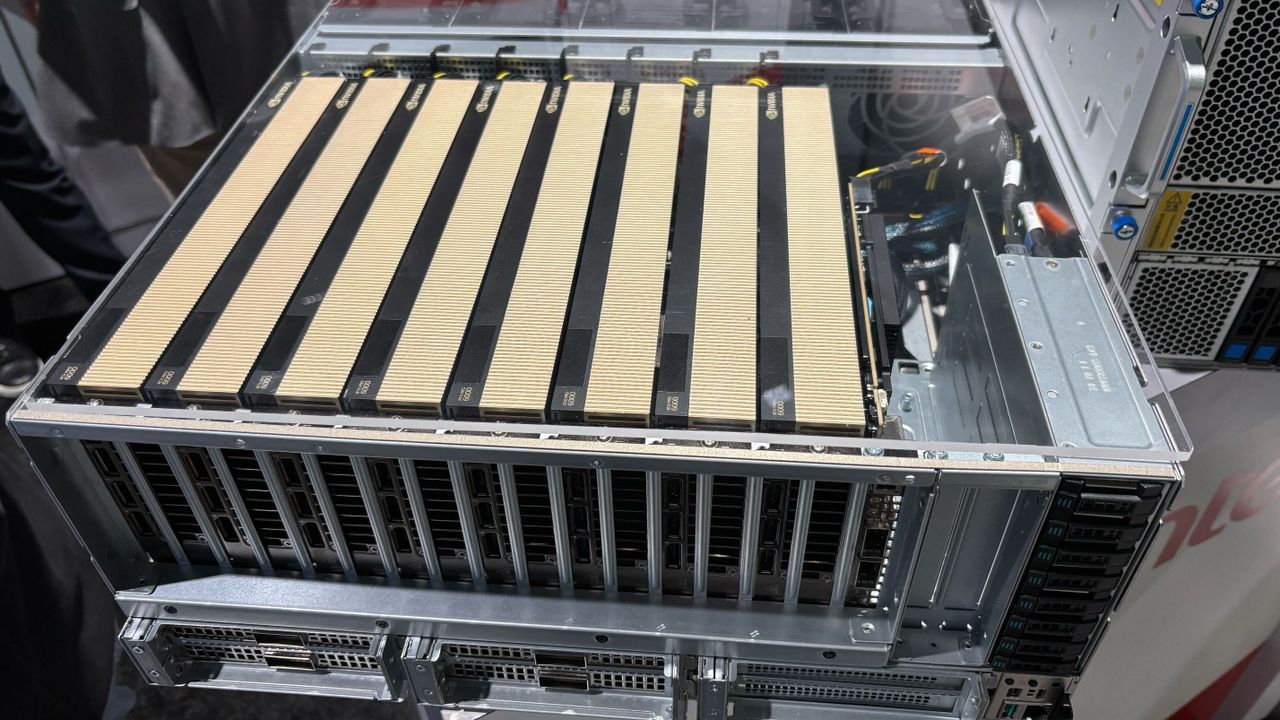
The supply chain for cutting-edge technology is built on precision, but a dark undercurrent of organized crime is exploiting those same routes, turning massive shipments of AI hardware into highly lucrative targets. Recent investigations reveal that cargo thieves have escalated their tactics, moving beyond simple theft to violent pursuits against private security escorts across California roads in recent months.
These audacious attacks targeted multimillion-dollar shipments of data center hardware traveling from Silicon Valley to Southern California. The goal wasn’t just material; it was the highly valuable components necessary to power the artificial intelligence revolution.
Investigators discovered that the thieves employed aggressive tactics, including rear-ending and PIT maneuvers—the same methods law enforcement uses to end dangerous car chases—to disable the escorts. Once disabled, the stolen trucks vanished into the landscape, leaving behind millions in high-tech equipment.
The method used by these criminals was equally sophisticated: they utilized fraudulent motor carrier numbers, a classic fraud technique that allows them to book freight under legitimate company registrations, effectively masking their illicit activity. This strategy suggests an intimate knowledge of logistics systems and a calculated approach to maximizing profit from the stolen goods.
While law enforcement agencies were not immediately involved in confirming the incidents, freight security experts corroborated the events, pointing to a systemic vulnerability in protecting high-value cargo. Verisk CargoNet reported that despite a decrease in overall supply chain theft incidents, losses jumped significantly year over year, reaching $304.6 million in the second quarter of 2026.
The focus of these thefts is heavily concentrated on enterprise computing and networking equipment, which often moves as conventional dry freight without specialized security. The consequences of this vulnerability are stark: recovered shipments have included server switches and data center equipment found across the country.
The true value of this stolen cargo lies in its connection to global trade. Stolen components frequently end up being fenced on the black market, where restrictions and export controls push prices far above retail values. For instance, highly restricted AI servers are selling in China for multiples of their U.S. price, demonstrating how these illicit activities feed a shadow economy.
This dynamic highlights a critical intersection: the pursuit of advanced technology and the challenge of securing the physical movement of goods across borders. As hardware continues to drive global innovation, addressing the security of the supply chain is no longer just an operational concern—it is a vital matter of economic and geopolitical stability.
Buy on Amazon
Credit