Devs fit games on a 1.44 MB floppy disk challenge
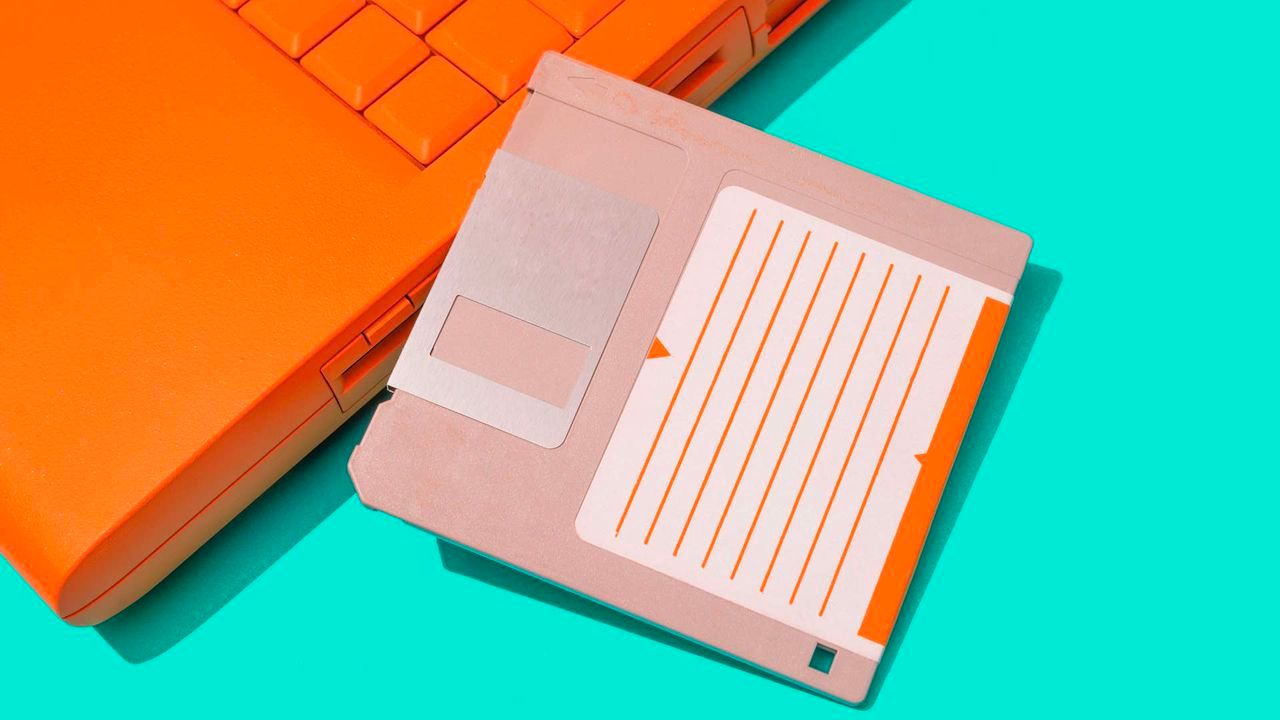
The Floppy Disk Frontier: Korean Developers Battle for Fun with One and a Quarter Megabytes
In an era where modern game files often sprawl into gigabytes, a recent coding challenge flipped the script entirely. Competitors were tasked with proving that you don’t need a massive hard drive to create something truly engaging, forcing developers to distill the essence of gameplay down to the size of a single 3.5-inch floppy disk.
The challenge, hosted by Korean indie game site 2P Game Arcade, invited developers to build an original game that totaled no more than 1,474,560 bytes (or 1.44 MB) after decompression. This seemingly impossible constraint immediately sparked a wave of creativity, pitting ingenuity against extreme spatial limitation.
The rules were simple enough: games had to be standalone executables—no browser-based games eligible—and they needed to be completed by midnight on September 4. Despite the tight limits, developers were free to use any game engine they wished, focusing their energy not on visual fidelity or expansive worlds, but on pure, distilled mechanics.
The premise itself was refreshing. Considering how unwieldy modern games are—with some titles now easily exceeding 125 gigabytes—the contest offered a delightful reset. It asked developers to focus on core fun rather than technical storage capacity. The result was a fascinating exercise in design minimalism.
But size wasn’t the only metric for success. The judging criteria were straightforward: did the game function completely? Did it respect the memory limitation? And, most crucially, was it genuinely fun to play?
This emphasis on enjoyment provided the necessary counterbalance to the technical restrictions. It shifted the focus from merely squeezing pixels onto a screen to crafting an experience that maximized impact within incredibly tight boundaries.
Ultimately, the competition served as a quirky reminder that true game design isn’t measured in storage capacity, but in imagination. While the prizes were modest—first place claimed 720,000 won, or about $490—the achievement lay in proving that an unforgettable experience doesn’t require a massive hard drive; it just requires a sharp mind.
Buy on Amazon
Credit