Castlevania Fast Forward Whip to Die for Classic Action
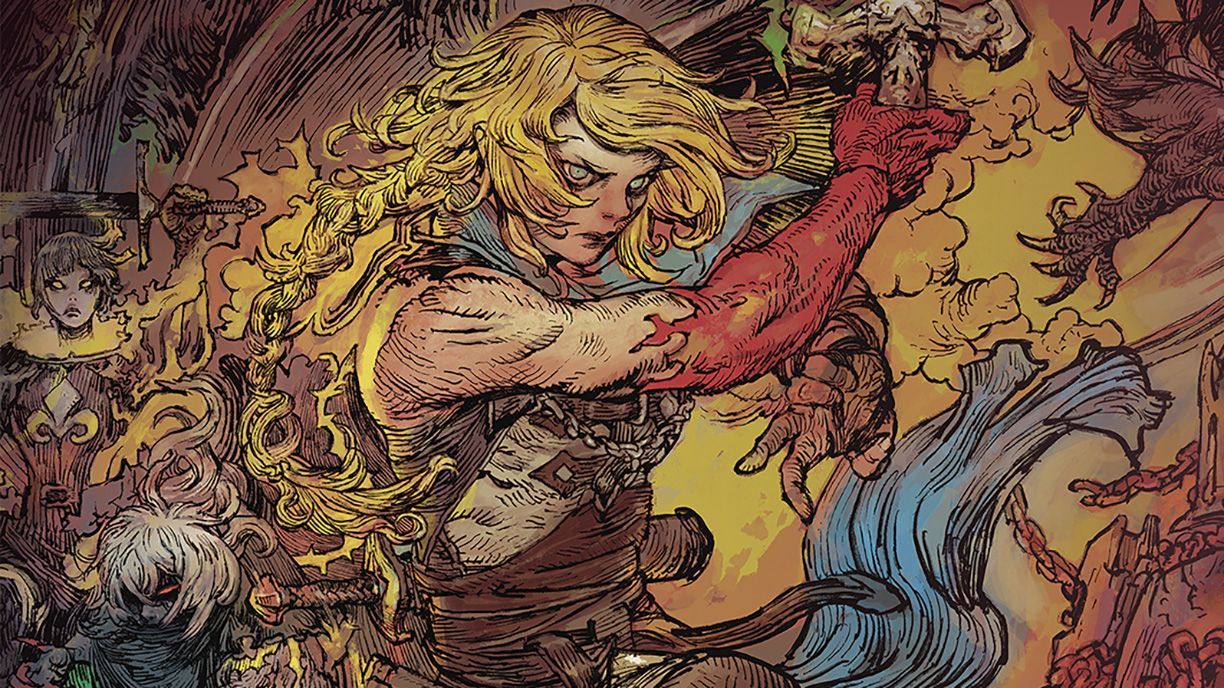
When a beloved franchise seeks to return from the shadows, the pressure is immense. For many fans of Castlevania, the anticipation surrounding a new installment often feels like an impossible climb. But when Evil Empire steps into the arena with their latest offering, Belmont’s Curse, they don’t just make a game—they promise a resurrection.
The creative team behind Evil Empire, including creative director Emmanuel Nouaille and producer Tsutomu Taniguchi, were clearly energized by the project. As Nouaille noted, bringing back Castlevania felt like a dream come true, and while there was certainly pressure involved, Taniguchi insisted it was a “happy pressure.” This dedication to honoring the legacy is immediately visible in the game’s ambition.
The story of Belmont’s Curse centers on Rose Belmont, the daughter of Trevor Belmont, who ventures into the ruins of Paris, now consumed by darkness. This setup immediately introduces an intriguing dynamic: the father and daughter navigate a corrupted city, with Trevor pursuing investigations while Rose explores, grappling with the forces of shadow.
The design successfully merges classic action-exploration sensibilities with modern mechanics, delivering a feel that is both familiar and fresh. While some might yearn for traditional 2D pixel art, the game manages to create a beautiful atmosphere. The environments pack immense detail into their settings, often blurring the lines between 2D and 2.5D exploration.
Gameplay itself feels incredibly fluid and welcoming. From the moment you start, players are equipped with robust movement options, including floor sliding and wall jumping, eliminating the need for tedious unlocks of basic platforming techniques. This focus on accessible yet deep movement systems makes traversing the crumbling Parisian landscapes genuinely engaging.
The core combat system relies on a signature weapon: the whip. It’s not merely a tool for hitting enemies; it is an extension of movement itself. As one designer put it, the whip functions for both combat and traversal, allowing players to swing between foes and propel themselves across the map in a dynamic, almost dance-like motion.
This fluid movement extends into some wonderfully chaotic encounters. The game throws sharp, sudden challenges at the player, forcing quick reflexes against relentless pursuit from flying gargoyles, harpies, and bats that stalk relentlessly across the screen. This high-stakes action keeps the pace brisk and demanding.
The structure of Belmont’s Curse firmly establishes itself as a Metroidvania, fulfilling a long-held desire within the series. The level design is rich with secrets and environmental interactions, rewarding players who take the time to examine the map and connect routes. Instead of obvious waypoints, the game uses morbid storytelling from ghostly apparitions to offer cryptic clues, inviting players into hidden paths.
Further adding to the depth are unlockable weapons and talismans that encourage experimentation. Players can upgrade their whip and gain new abilities by fulfilling specific challenges beyond simply defeating enemies. This mechanic encourages players to try out different playstyles, fostering a sense of discovery throughout the adventure.
Ultimately, Belmont’s Curse stands as a strong contender in the Castlevania lineage. It manages to deliver on the promise of action and exploration while maintaining the satisfying weight of classic design. It leaves players wanting more, but for now, it serves as an excellent, polished entry that truly proves the potential still residing within this iconic universe.
Buy on Amazon
Credit