CDPR won’t use AI for The Witcher 4 development
Generative AI has become the talk of the town in video game development, often framed as the next revolution poised to overhaul how games are made. Yet, beneath the buzz and the hype, the reality is a bit more nuanced—and frankly, a little less transformative than the headlines suggest.
While the excitement rages, many industry insiders are pointing out that the application of AI in game creation is currently focused more on supporting functions than the core act of game development itself. We see AI agents being widely used for mundane, yet time-consuming, tasks: analyzing user preferences, predicting behavior, generating procedural elements, and filling in the gaps for repetitive busywork.
This is where the real utility lies right now. Developers are using AI to handle the logistical heavy lifting—things like designing dialogue or arranging level layout—rather than relying on large language models to architect entire, cohesive worlds. The core creative craftsmanship, the intricate design that defines a truly memorable game, remains firmly in human hands.
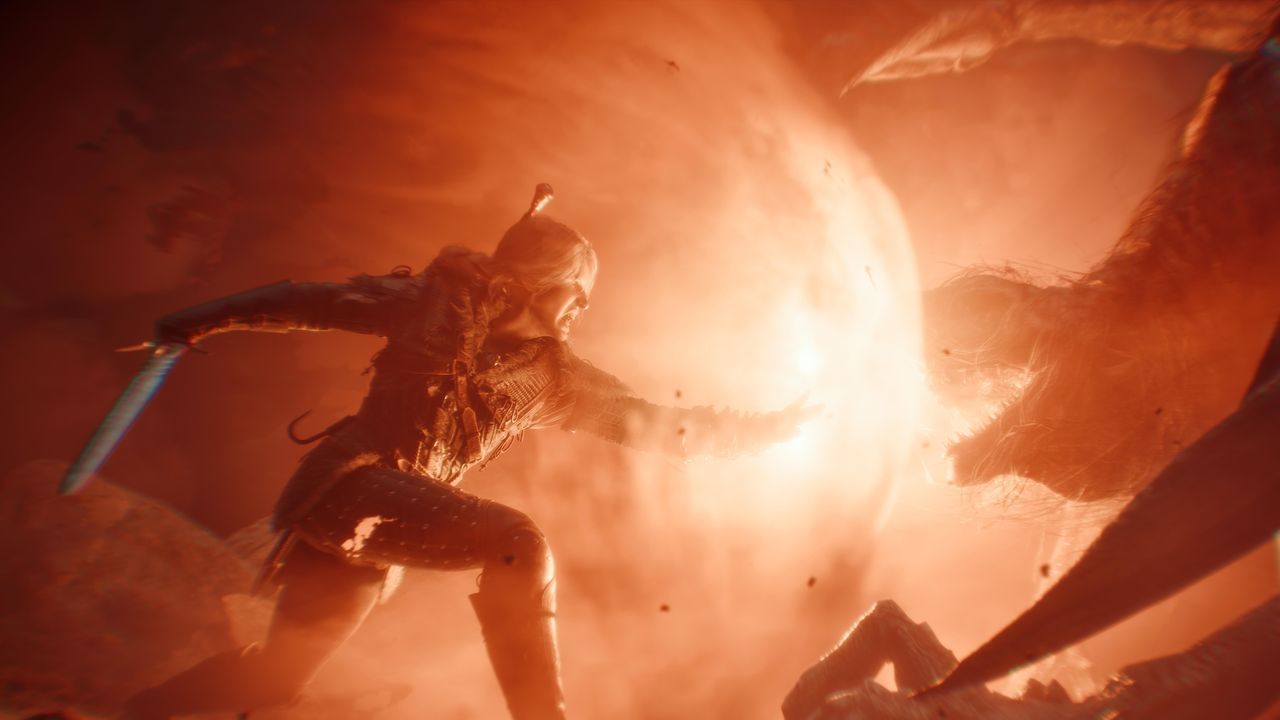
This perspective is echoed by some of the industry’s heavyweights. Joint CD Projekt Red CEO Michał Nowakowski, for example, has stressed that the focus remains on human involvement. When asked about the use of generative AI in projects like The Witcher 4, he emphasized that the team prioritizes people, stating that their plan is to continue making games where they are not walking away from human creation.
For immensely complex and intricate games, the argument shifts from efficiency to ethics. As Nowakowski noted, relying on an LLM or “vibe coding” doesn’t make sense when dealing with the deep craftsmanship required for a masterpiece. The complexity of games demands careful human artistry, suggesting that AI is currently best viewed as a powerful tool, not a replacement for the designer.
Beyond the creative philosophy, the industry is also navigating a tricky legal landscape. While there is a general public distaste for AI-generated content—a feeling that the output is often “slop”—the legal framework is still catching up. For game publishers, incorporating anti-AI clauses into contracts is quickly becoming standard boilerplate, aimed at clarifying ownership of creative work in the courts.
Ultimately, the generative AI trend in gaming is less about replacing the artist and more about refining the tools. The future of game development will likely be a partnership where AI handles the tedious mechanics, freeing up human developers to focus on the narrative depth, complex systems, and unparalleled craftsmanship that make great games truly great.
Buy on Amazon
Credit