China cracks down on copycat chip designs with new rules
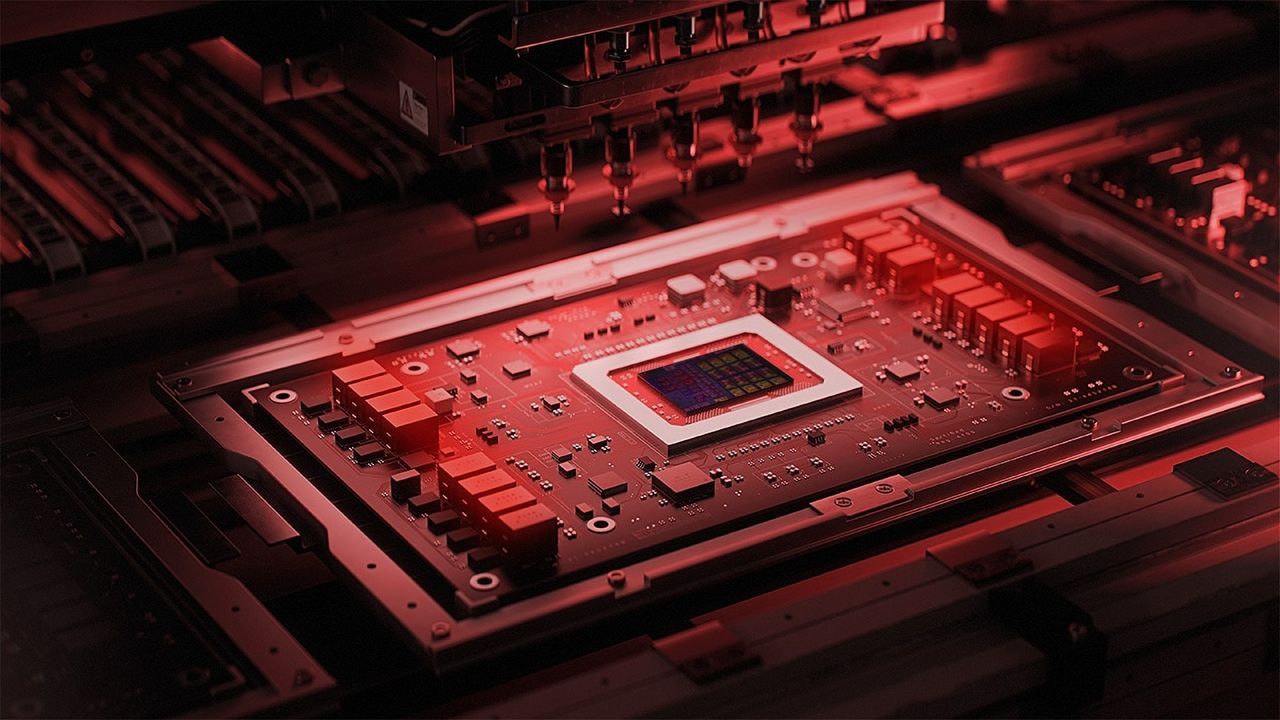
China Tightens Grip on Chip Design Secrets, Reshaping Global Semiconductor Landscape
The global race for semiconductor dominance is being redefined by shifting regulatory boundaries in China. Beijing has recently overhauled its rules governing the protection of integrated circuit (IC) layout designs developed domestically, signaling a strategic move to secure its technological advantage and control the flow of advanced chip innovation.
These new regulations are designed to significantly complicate efforts by foreign entities or underperforming domestic companies seeking to copy proprietary chip designs. By tightening requirements for legal protection, registration procedures, and infringement remedies, China aims to create a more robust defense against intellectual property theft in the highly competitive semiconductor arena.
The core change centers on how ownership of physical chip layout designs is established. To qualify for legal protection now, applicants must demonstrate that their designs were independently developed and prove their originality. Furthermore, they must specify exactly which elements represent their unique creative contribution—a mechanism intended to filter out weak claims and distinguish companies with genuinely strong technological capabilities.
This shift fundamentally alters the competitive dynamic. It makes it significantly harder for less successful Chinese firms to replicate cutting-edge ICs developed by their more established rivals, thereby leveling the playing field and reinforcing the strength of domestic innovators.
Moreover, the regulations introduce much stronger enforcement mechanisms. Infringement disputes will now allow courts to determine compensation based on either the losses suffered by the rights holder or the profits earned by the infringing party, with punitive damages becoming an available option. This strengthened framework ensures that intellectual property is not just recognized, but aggressively enforced.
Beyond protection, the rules also clarify procedures for licensing and using IC layout-design rights as collateral, alongside requiring developers to provide reasonable payments to personnel responsible for creating these protected designs.
The implications extend into the physical production chain. While China is currently asserting control over domestic design protections, policymakers are reportedly considering further measures to prevent strategically important technologies from leaving the country or being acquired by foreign entities. If approved, such proposals could mandate that domestic chip designers must exclusively produce their chips within China, rather than utilizing advanced manufacturing capabilities in locations like Taiwan or South Korea.
This strategic focus reflects the immense importance China now places on its domestic semiconductor industry. Although the immediate plans for entirely blocking overseas production of advanced designs are still being considered, the updated rules mark a clear commitment to protecting core technological assets and securing the future of its chip manufacturing ecosystem. These amended regulations were signed by Premier Li Qiang and are set to take effect on October 15.
Buy on Amazon
Credit