
Gigabyte recommends aging CPUs amid memory crisis
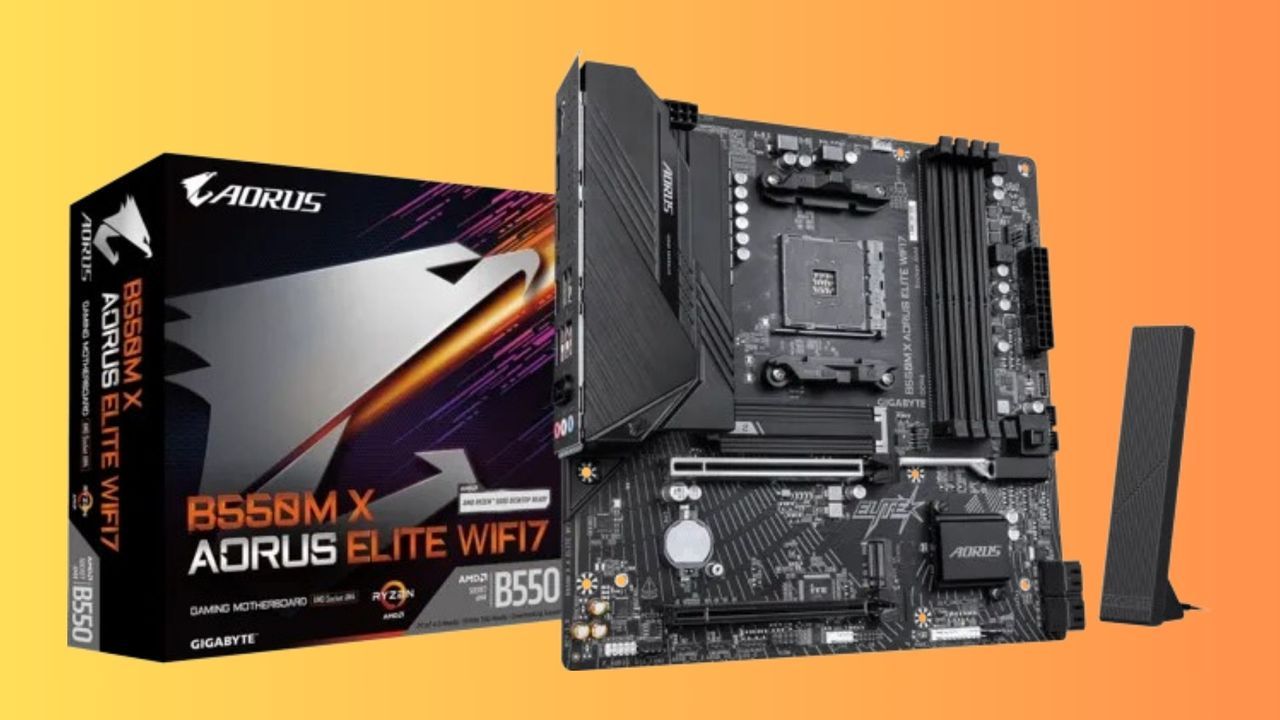
The memory crisis isn’t just an abstract economic worry; it’s manifesting in the hardware market, forcing builders to rethink where they invest their money. Amidst this climate of increasing costs, a major player is stepping up with a refresh that offers a compelling look at the enduring relevance of the AM4 platform.
Gigabyte has just unveiled its new B550 X Series motherboard, positioning it as the most powerful update for the AM4 platform. This board is specifically engineered to handle the incredible performance of the AMD Ryzen 7 5800X3D processor, a chip widely lauded as one of the best cost-to-performance processors available.
The motherboard is purpose-built to manage the demanding specifications of the 5800X3D, efficiently handling its eight cores, sixteen threads, and generous 96 MB of L3 cache. Beyond just pairing perfectly with the CPU, this new hardware brings essential modern features, including Wi-Fi 7 connectivity and a robust power delivery system featuring a 10-phase, 60A DrMPS VRM design.
While these engineering features demonstrate strong manufacturing intent, they also highlight a broader market tension. PC builders are increasingly gravitating back toward AM4 not just for cost savings, but as a pragmatic response to the crushing expense of current memory technology.
The reality is that pushing for the latest DDR5 standards, coupled with general inflationary pressures and supply chain limitations, means that building a high-end system is becoming exponentially more challenging. This situation isn’t unique to motherboard upgrades; it reflects a systemic issue facing the entire hardware landscape, especially as AI growth demands even more compute resources.
Even major memory manufacturers are signaling serious concerns about the future supply chain, warning of a severe memory shortage that could persist well into next year. This environment suggests that long-term stability will likely involve adapting existing infrastructure rather than chasing the newest, most expensive specifications.
For those looking to assemble a system that balances performance with practicality right now, the choice becomes pragmatic. It points toward a reality where utilizing older sockets and memory might be the smarter path forward, proving that even amid hardware shortages, functional gaming and computing are still achievable on a reasonable budget.
Buy on Amazon
Credit