
PC giants use Chinese memory to fight chip shortage
The relentless appetite of artificial intelligence for computing power has triggered a massive supply chain crisis, particularly concerning the specialized memory chips that form the backbone of modern PCs. As demand for DRAM surges, PC manufacturers are scrambling for components, leading to dramatic price hikes and a geopolitical tightrope walk over where their silicon comes from.
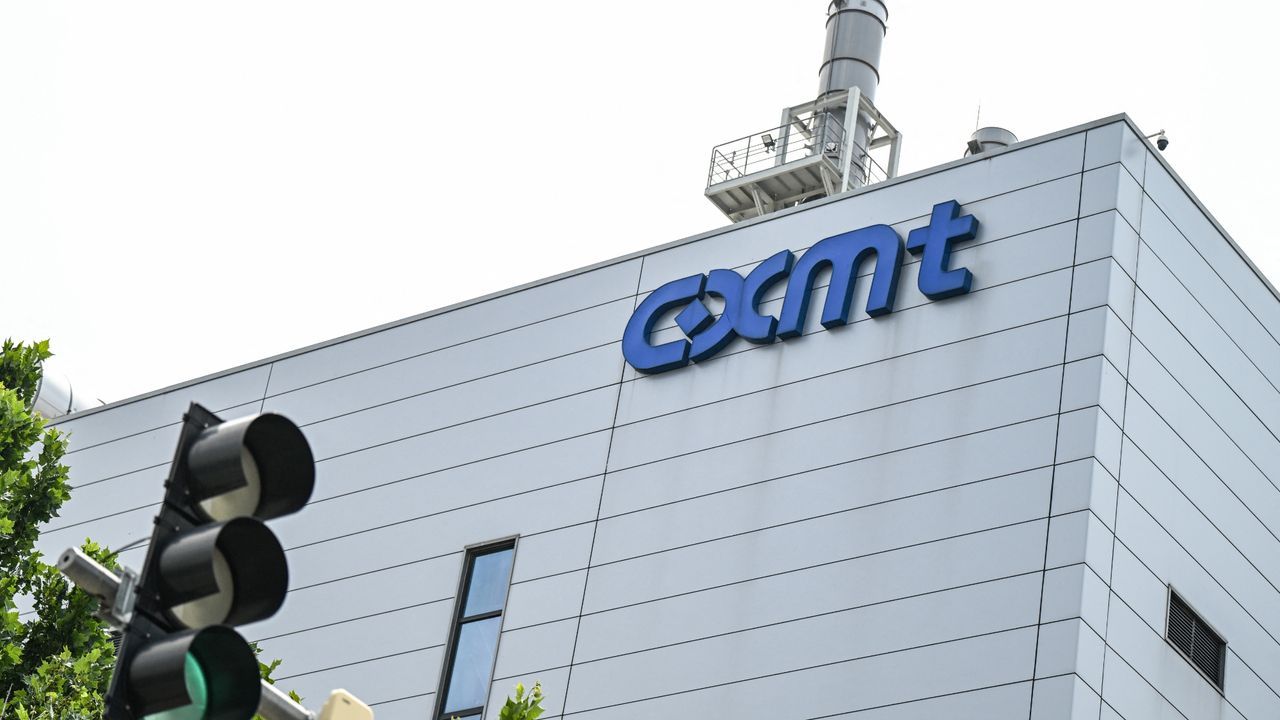
Amid this global shortage, a surprising shift is underway. Reports indicate that major PC makers, including HP, Asus, and Acer, have begun incorporating memory chips manufactured by China’s CXMT into some of their notebook computers. This move, while limited in scope, signals a tangible attempt to secure necessary supply amid the overwhelming pressure.
The utilization of these chips is currently restricted, primarily confined to notebooks destined for non-U.S. markets. This cautious approach stems from serious geopolitical concerns; CXMT is listed by the Pentagon as having ties to China’s military, which introduces significant risk into global supply chains.
This strategic sourcing comes with an added layer of corporate caution. Industry sources suggest that PC makers are navigating a fine line, careful not to antagonize the dominant memory manufacturers—Micron, Samsung Electronics, and SK hynix—while simultaneously addressing their immediate component shortages. This balancing act illustrates the complex interplay between economic necessity and national security concerns.
Meanwhile, the larger players continue to focus on next-generation technologies. CXMT recently posted a remarkable 466 percent leap in its share price following its Shanghai IPO, although the company appears to be concentrating its investment on water lines and process upgrades for DRAM rather than the highly coveted HBM required by AI data centers.
Despite the high-stakes environment, this new player hints at a potential diversification of the market. There is growing speculation that demand exists for a fourth provider in the memory landscape to alleviate supply constraints across the industry.
The impact of these shifts is also being felt downstream, particularly in the DIY PC-building community. The cost of memory has skyrocketed, with prices having risen by over 400 percent in the last year alone. This financial strain makes building a modern PC prohibitively expensive for many consumers.
In response to the market pressures, even component suppliers are adapting. Motherboard vendors like Gigabyte have announced support for CXMT memory, reflecting a broader industry movement to ease price pressure on consumers and manufacturers grappling with the intense demands of the AI era.
Credit

