
Chinese RAM lands in laptops but won’t end the memory crisis
When you look at the global semiconductor landscape, a quiet revolution is happening in the realm of memory chips. At the heart of this shift is CXMT, a Chinese memory manufacturer that has rapidly climbed from the shadows to becoming a major player on the world stage.
This ascent wasn’t accidental. Just last week, the company’s shares experienced a staggering 466% surge following its initial public offering, cementing its status as one of China’s most valuable listed companies in the process.
The real story behind CXMT’s rapid growth lies at the intersection of global scarcity and strategic partnerships. As the world grapples with a severe memory supply crisis—a situation exacerbated by intense demand from AI and data centers—major PC makers are looking for alternative, reliable sources. This dynamic has allowed component makers like CXMT to step into crucial supply gaps.
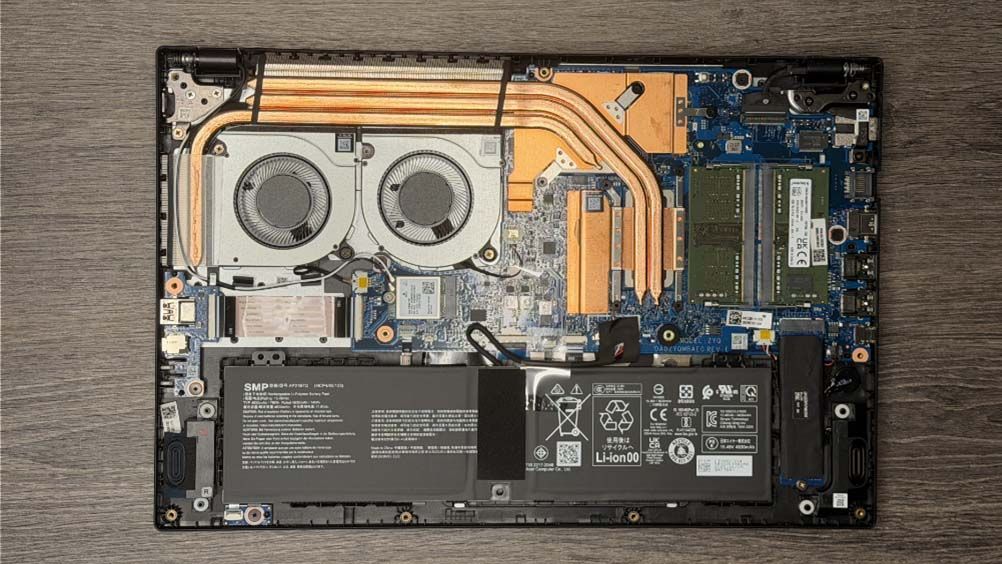
Reports indicate that this opportunity is being capitalized upon by major industry players. Companies such as HP, Asus, and Acer have reportedly begun incorporating CXMT chips into their notebook computers. However, the limited supply chain requires careful diplomacy. While CXMT prioritizes existing working relationships with Chinese partners like Huawei, PC manufacturers are navigating complex waters, ensuring they secure necessary supplies without antagonizing established global memory titans like Micron, Samsung Electronics, and SK Hynix.
Despite the dominance of the big three memory makers, CXMT has managed to carve out a significant niche, currently holding a 7% market share in Global DRAM revenue. This growth signals that wider adoption of CXMT technology is not just an opportunistic move but a genuine shift in supply chain strategy.
To accommodate this burgeoning demand and secure future growth, CXMT is committing to massive expansion. Plans are underway for a second chip plant in Beijing, alongside the development of new facilities in Shanghai and Hefei. The goal is ambitious: to double production capacity to 600,000 wafers per month.
Such rapid scaling underscores a long-term vision. With experts predicting the memory crunch won’t end until at least 2029, companies are building resilience against future shortages. This need for diversified supply chains has created fertile ground for new entrants who can provide scalable alternatives.
In essence, CXMT is not just a manufacturer; it is a testament to how strategic positioning and responding to systemic crises can redefine market power, turning a global bottleneck into an opportunity for bold, ambitious growth.
Credit