Doom’s undo key revolutionizes early ’90s animation tools
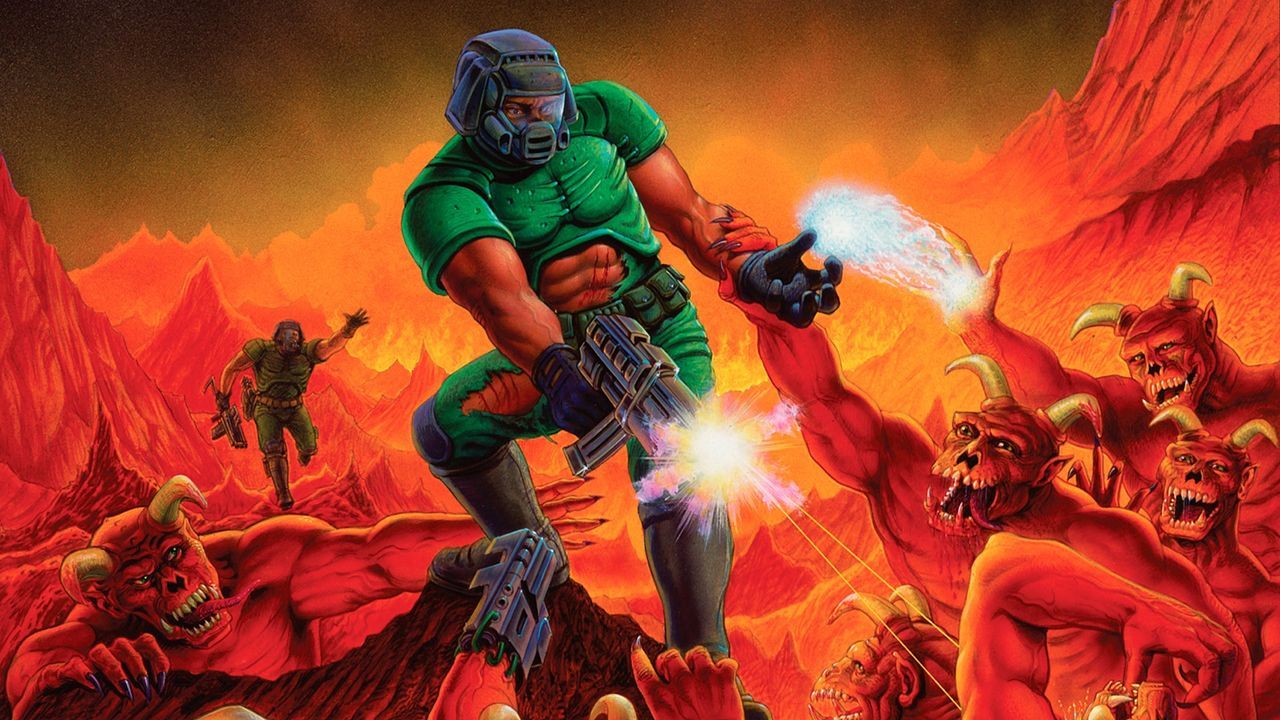
Human ingenuity is a force that shapes history, often manifesting in tools we never first imagined. From the ancient mysteries of Stonehenge to the hyper-violent landscapes of classic video games like Doom, humanity has always found ingenious ways to translate complex ideas into tangible reality.
But when we look back at how these legendary animations were crafted, the ingenuity takes on a delightfully peculiar twist. In the world of 90s FPS design, the artists and programmers weren’t just relying on standard animation software; they pioneered a kind of digital hack that defined the look of the era.
When speaking with Adrian Carmack, a co-founder and lead artist for Doom, about these classic animations, the answer was anything but conventional. Instead of utilizing complex keyframing systems, Carmack revealed that his secret weapon for creating those iconic motion loops was something far simpler: the undo key.
“As an artist, oftentimes you end up making your own tools,” Carmack explained. “There was no dedicated animation tool, so I started using the undo key in Deluxe Paint to create movement—I would just go back and forth.”
This method explains why classic Doom sprites looked the way they did. Unlike today’s seamlessly rendered models, those animations were inherently “frame-y.” By working with a limited number of frames and cycling through them using the undo/redo function, Carmack was able to capture animation loops efficiently.
This process wasn’t risk-free, though. Constantly moving backward and forward meant there was always the chance of accidentally deleting valuable work. However, Carmack developed a system that minimized this risk, allowing him to maintain control while still achieving the desired visual effect. He sought to be as frugal with frames as possible, ensuring every movement looked polished despite the limitations.
His fellow developers were reportedly astounded by this innovative approach to animation. While John Carmack limited the total number of available frames, Carmack managed to maximize the impact of those few frames through clever workflow, turning a technical constraint into a unique artistic technique.
It is a perfect example of how groundbreaking visual experiences are often born not from massive technological leaps, but from brilliant, scrappy problem-solving. Sometimes, the most advanced tools are simply the ones you invent yourself.
Buy on Amazon
Credit