
Drone clones destroy Russian bombers 2000 km range
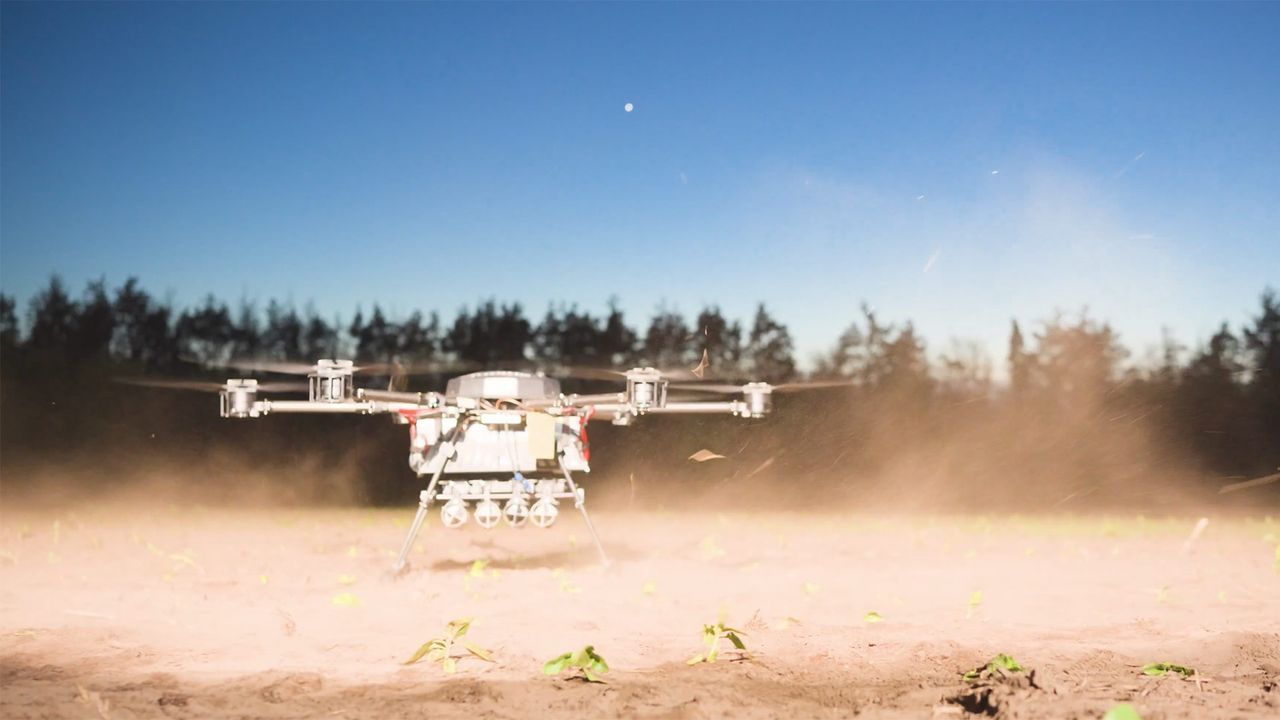
The skies over Russia recently witnessed a dramatic demonstration of emerging drone warfare capabilities, culminating in the destruction of a Tupolev Tu-95MS strategic bomber at the Engels-2 air base. But this event was not just a spectacle of destruction; it revealed a fascinating story of reverse engineering, rapid innovation, and determined domestic development.
The culprit? A sophisticated flying-wing drone identified as a MICH 2000. This aircraft is far more than a simple weapon; it represents a complex technological achievement born from collaboration between Ukrainian developers and clandestine access to advanced Chinese technology.
The origins of the MICH 2000 lie in a complex negotiation that began in late 2023 when Ukrainian teams sought manufacturing knowledge. After facing restrictions on exporting civilian drones, these developers traveled to a Chinese factory and negotiated pilot training instead. During this time, they managed to covertly photograph the production line of aircraft like the Chinese ZTK-150, gathering essential blueprints for their project.
From those photographs, an extraordinary effort followed. Ukrainian engineers spent two years localizing nearly every critical component—engines, warheads, fuselages, and rocket boosters—across dozens of domestic suppliers, achieving a remarkable 85% domestic content rate for the drone’s value. This deep localization transformed the project into a true testament to independent manufacturing prowess.
While the foundational elements were homegrown, optimizing the drone required navigating specialized technology. The addition of jam-resistant CRPA navigation antennas, crucial for long-range precision strikes, proved challenging. Though these specialized components add complexity and cost, they push the cutting edge of jamming resistance in the field.
The MICH 2000 is designed for maximum impact, capable of carrying up to a 60 kg warhead over distances of 2,000 km. Despite facing hurdles during its initial testing—including a prototype crash and electronic warfare interference—the demand remained high. The initiative quickly led to the development of successors, such as the MICH+, which features forward canards and an extended range of 600 km with a 70 kg warhead.
The operational deployment of these systems has already been extensive. Thousands of MICH 2000 drones have been launched across various targets, including logistics hubs and electronic warfare installations near Russia’s borders. This demonstrates a shift in strategic capabilities toward long-range, precision unmanned strikes.
Beyond the immediate incident at Engels-2, the development trajectory points toward a burgeoning industry. Companies involved in this space are investing heavily in research and development, with some operating R&D departments spending over $1 million monthly to scale up production towards tens of thousands of units annually. This fusion of cutting-edge engineering and determined operational goals is reshaping the landscape of modern defense technology.
Credit

