GSC: The reason Stalker 2 development was delayed
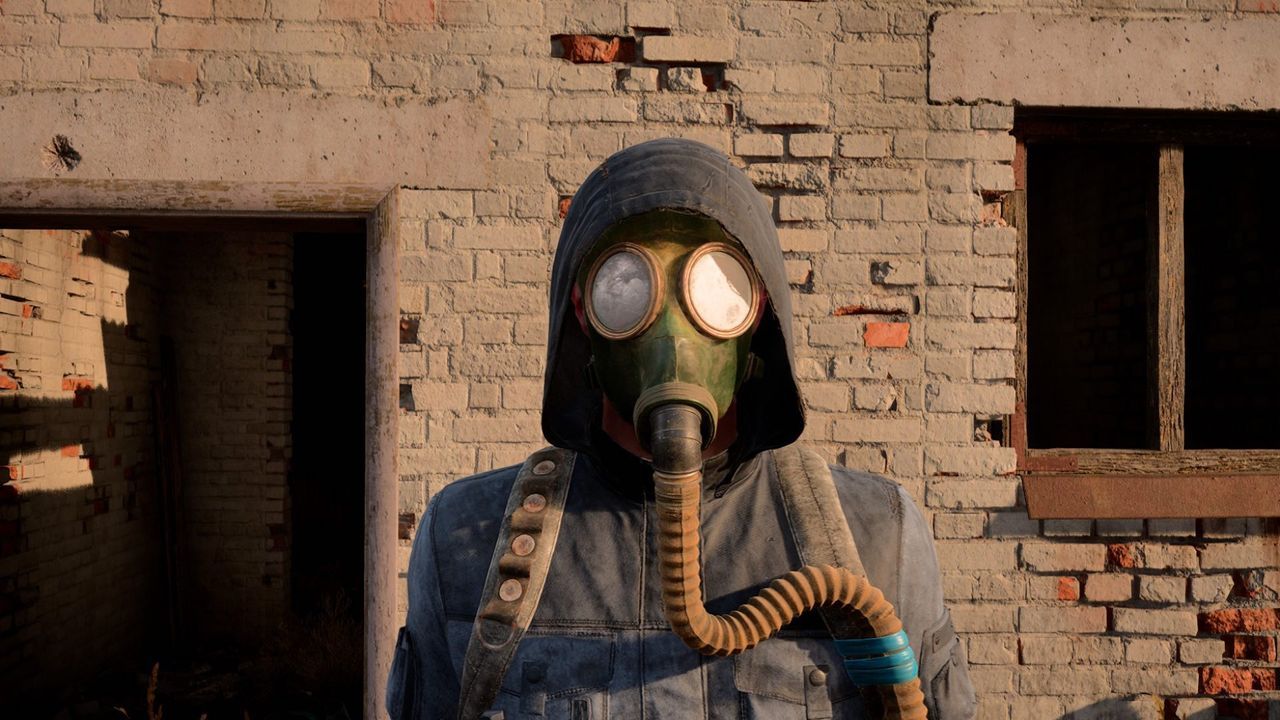
The journey of a survival game from a concept to a polished product is often fraught with peril, but for Stalker 2, the path was anything but smooth. Like many games built in the gritty world of survival, it evolved from a prototype into something genuinely captivating, raising the crucial question: how do you decide when to hit the release button?
Game world leaders understand that waiting for perfection can be agonizing, but in the business of game development, patience often clashes with the demands of the market. Ievgen Grygorovych, CEO and head of game direction at GSC Game World, recently weighed in on this complex decision, suggesting that the choice of release timing is rarely simple.
The studio cited both creative vision and financial realities as major factors influencing their timeline. To truly make a game better, feedback needs to be fresh and unfiltered. However, pursuing that kind of feedback is expensive, and adding two years of extra development work simply isn’t always realistic.
Adding to the complexity were the immense, real-world obstacles the team faced. While developing the game, the studio was interrupted by the invasion of Russia, which forced the team to relocate from Kyiv. This struggle was compounded by devastating physical setbacks, including a major office fire and the constant pressure of numerous leaks that complicated the development process.
Despite these formidable challenges, the development team managed to push through. The final, buggy release arrived after significant delays, yet the team focused on finding a balance, prioritizing the best experience possible with the resources available.
Grygorovych emphasized that developers must constantly find the trade-offs that allow them to deliver the best possible experience given the circumstances. It is a perpetual balancing act, especially when the surrounding market is volatile.
Right now, the broader market conditions for studios are particularly challenging. With widespread layoffs and studio closures occurring globally, the economic environment isn’t very promising for new projects. Therefore, the developers had to operate within a difficult reality, striving to achieve quality while navigating an unstable landscape.
Buy on Amazon
Credit