Harvey Smith on big-budget immersive sims
In the high-stakes world of AAA game development, where budgets loom large and expectations skyrocket, a fascinating debate is brewing over the fate of immersive simulation games. The core question isn’t just about size, but about the delicate balance between scope, budget, and the creative freedom necessary to build truly engaging worlds.
This tension is perfectly illustrated by the perspectives of game designers themselves. Randy Smith Evergreen, a renowned designer, argues that the immersive sim audience is simply too small to justify massive AAA budgets. He believes the path forward is an “arms race to be bigger and better,” suggesting that larger budgets are a necessary driver for pushing the boundaries of these complex systems.
However, his contemporary, Harvey Smith, offers a more cautious approach. Having navigated the pressures of major studios like Arkane, he emphasizes the critical need to “right-size your budget.” For him, inflating the budget often leads to inflated publisher expectations, forcing niche immersive sim concepts to compete against mainstream titles.
The disagreement boils down to scale. Some designers feel that smaller projects lack the necessary resources—the team, the time, and the depth of systems—to truly capture the chaotic, emergent potential that makes immersive sims unique. They argue that without adequate resources, a project might end up with nice art and music, but lack the systemic depth that defines the genre.
Conversely, the argument for larger budgets rests on the idea that truly expansive immersive simulations require immense scope to unleash their full potential. When designers aim for grand, interconnected worlds, they risk making mistakes. As one designer noted, a lack of budget can lead to conservative design choices that stifle the fun and creativity inherent in the simulation.
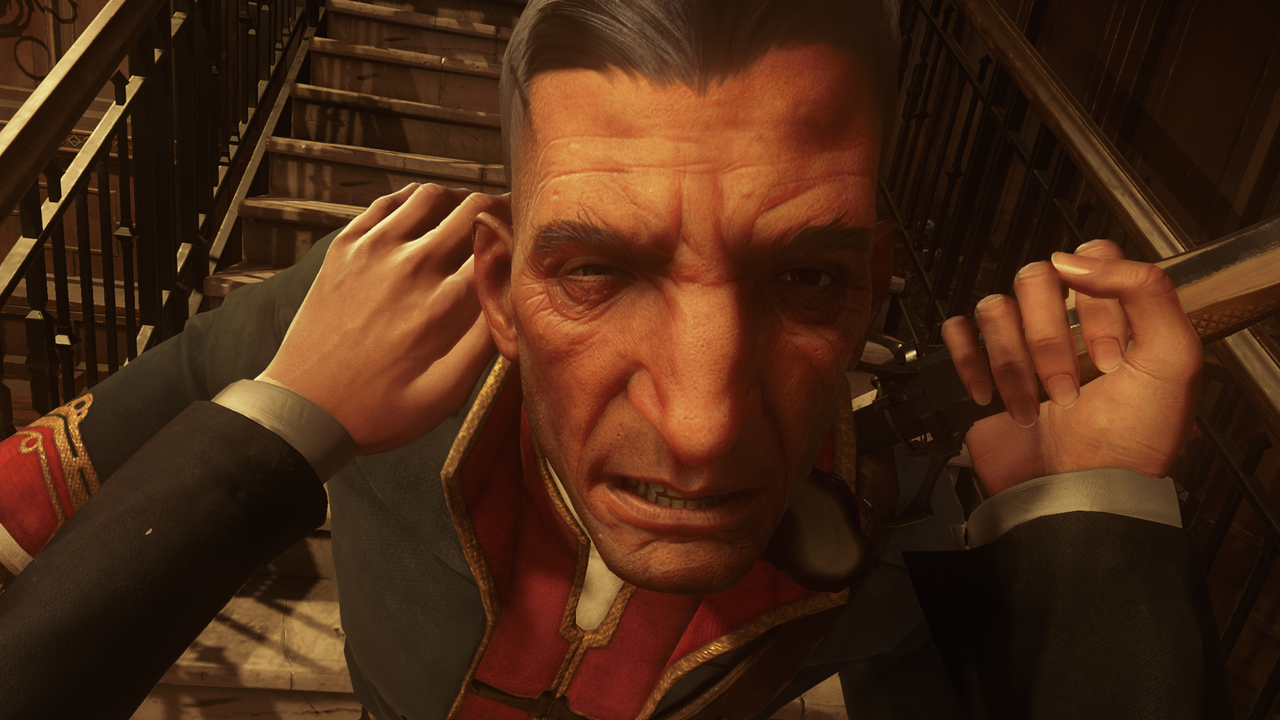
The history of big-budget Imsims offers cautionary tales. Games like Dishonored 2 proved the potential of the genre, but also highlighted the peril of immense pressure. When studios face demanding expectations, the risk of failure increases, whether it’s a disappointing sequel or a failed multiplayer expansion.
The critical lesson emerging from these experiences is that there is a sweet spot. Whether creating a short, focused experience or an epic, sprawling universe, designers must find the perfect equilibrium. Going too small means missing out on depth, while going too large risks losing the unique, emergent complexity that defines the immersive sim experience.
Ultimately, the challenge for developers is to manage the expectations placed upon them and to ensure that the resources allocated are used not just to build bigger, but to build deeper. The goal should be to create systems that allow players to “go nuts,” where the emergent chaos and creativity are fully realized, regardless of the overall size of the canvas.
Buy on Amazon
Credit
