Intel’s Wildcat Lake tech: 18A chips and UCIe
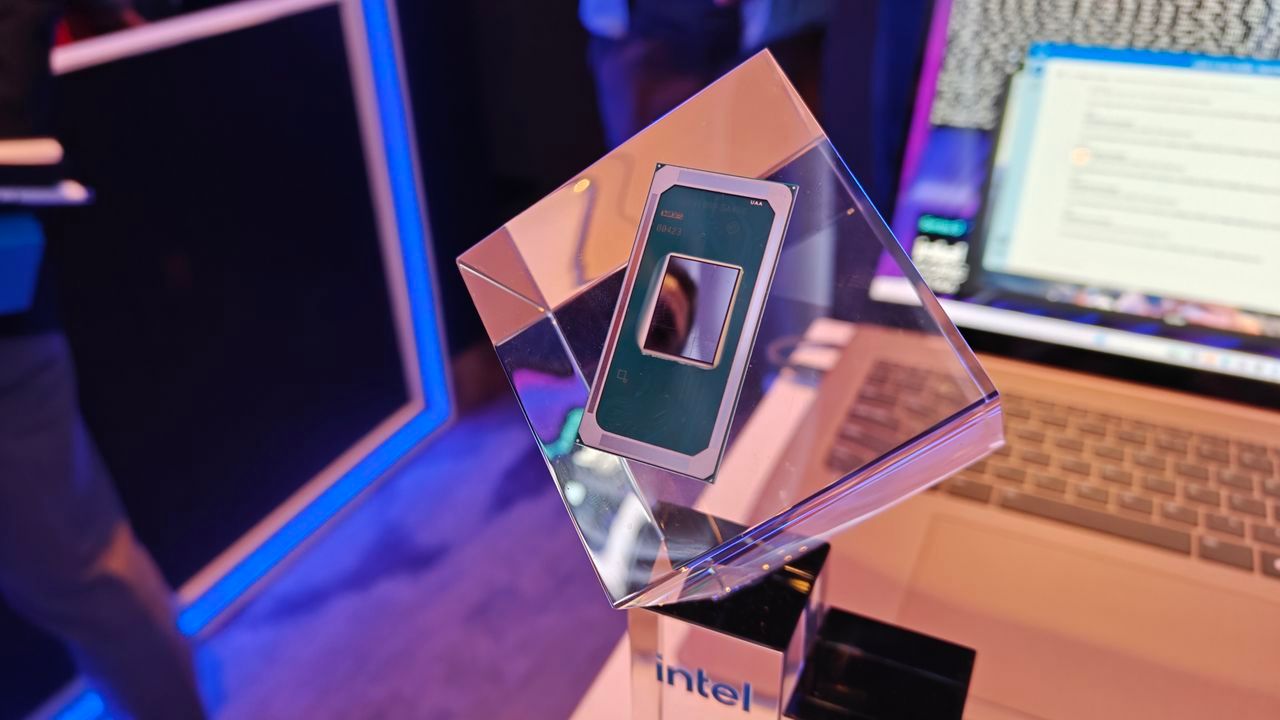
Intel’s Wildcat Lake: How Chiplets and Cost-Cutting Redefined the Budget Mobile Market
In a market increasingly saturated with powerful, premium PC hardware, Intel has entered the mobile space with a bold strategy: Wildcat Lake. This processor isn’t about competing directly with flagship chips; it’s about redefining the economics of mobile computing by embracing cutting-edge chiplet architecture and radical design optimization. It arrived with a promise—a budget-friendly alternative to high-end systems—and delivered a story of how clever engineering, rather than raw power, can drive innovation.
The foundation of Wildcat Lake’s success lies in a major technological leap: the Universal Chiplet Interconnect Express (UCIe). This open communication standard, which emerged around the same time Intel began planning Wildcat Lake, allowed the company to move beyond traditional monolithic designs. By leveraging UCIe, Intel was able to achieve significant cost reductions while enabling a flexible, multi-chip package approach, setting a new standard for how components can be assembled and connected.
During the development process, Intel engineers faced a critical decision: stick to a traditional Multi-Chip Package (MCP) or adopt a more cost-effective approach. For a budget-focused chip like Wildcat Lake, the choice was clear. They opted to utilize UCIe, which fundamentally shaped the chip’s architecture. This decision dictated a roadmap where compute power could be carefully managed and optimized to fit the necessary communication channels between the chiplets, rather than simply cramming the most expensive IP into a single package.
This chiplet methodology introduced a unique layer of complexity, particularly concerning power and packaging. While advanced packaging theoretically reduces die space and power consumption, managing the communication channels became paramount. Engineers had to tackle challenges like ensuring adequate power supply for displays and managing idle states, which required creative solutions—such as implementing a buffer system before the UCIe link to handle display refreshes efficiently.
To make the transition viable, Intel embarked on a rigorous process of trimming the design. This involved slimming down the compute and input/output dies to accommodate the necessary interconnects. For instance, the compute die saw reductions in features like the Xe cores and the Neural Processing Unit (NPU), and the memory subsystem was streamlined to a 64-bit bus. By carefully trimming components, Intel managed to recover nearly 38% of the die space, proving that aggressive optimization doesn’t require sacrificing functionality.
On the input/output die, savings were achieved by removing elements like the camera PHY and slimming down the audio engine, shifting integration responsibilities to the Original Equipment Manufacturer (OEM). Furthermore, the speed of the interconnect was carefully managed; instead of aiming for the highest theoretical data rates, Intel capped the transfer rate, which reduced bit-rate errors and allowed for the removal of some complex bit-correction systems, maintaining performance while enhancing reliability.
The true genius of Wildcat Lake, however, was found in the cost-saving strategies applied across the entire supply chain. Beyond die trimming, Intel focused on the overall Bill of Materials for mobile SoCs. This included integrating features like Wi-Fi 7 and USB PD controllers, reducing the burden on OEMs. Perhaps the most impactful savings came from rethinking the physical design, opting for a slimmer memory bus and a more efficient PCB layout. This focus on maximizing yields and minimizing material costs allowed Intel to create a highly competitive product.
Ultimately, Wildcat Lake represents a compelling evolution in mobile silicon. It demonstrates that by prioritizing open standards like UCIe and mastering the art of strategic trimming, companies can deliver highly competitive, innovative hardware. The result is a mobile SoC that not only competes on price but also earns recognition for pushing the boundaries of what is possible in mobile design.
Buy on Amazon
Credit
