
Memory champion smashes DDR5-8800 on AMD platform
When it comes to high-speed memory, the industry is generally dominated by a handful of titans—companies like SK hynix, Samsung, and Micron provide the integrated circuits that power modern computing. Yet, amid a global shortage that has driven up costs and intensified competition, a new force is emerging from the heart of China, challenging this established order.
ChangXin Memory Technologies (CXMT), a Chinese chipmaker, has rapidly moved from a specialized entity to a formidable competitor in the memory landscape. This rise is particularly noticeable in the volatile market for high-speed DDR5 memory, where CXMT is steadily gaining ground.
The momentum behind CXMT’s emergence is fueled by the ongoing scarcity of global components. While the Big Three maintain dominance through cutting-edge manufacturing processes, CXMT has demonstrated impressive capability. In a recent overclocking exhibition, CXMT’s ICs achieved speeds up to DDR5-8800 on AMD’s X870E platform, proving they can keep pace with the performance of industry leaders like SK hynix‘s A-die and M-die.
This competitive edge is not just theoretical. The excitement surrounding CXMT’s ICs has translated directly into mainstream adoption. Many top Chinese memory brands are now incorporating CXMT components, including Asgard, Colorful, Gloway, and KingBank. Even major entities like Corsair have integrated these chips into some of their DDR5 kits, positioning CXMT firmly in the mainstream consumer market.
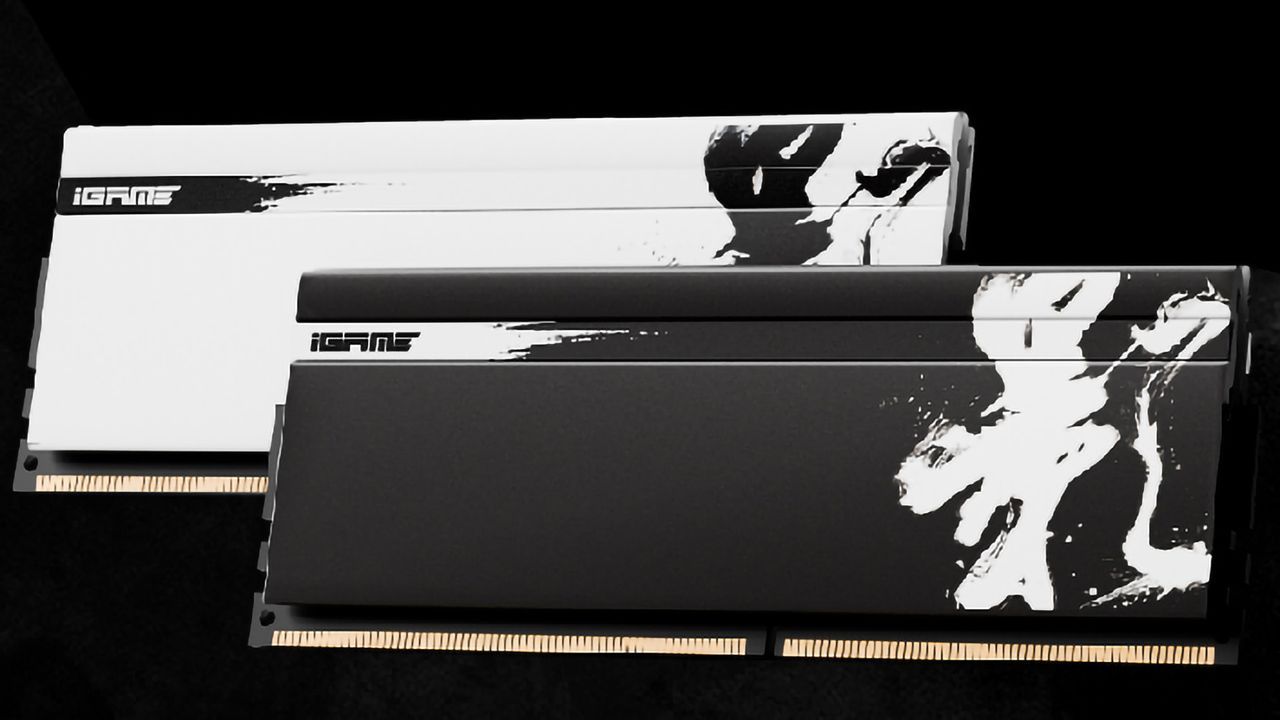
The enthusiasm for high-speed memory has spurred creative testing. For instance, brands like Colorful showcased incredible overclocking feats with their iGame Shadow II DDR5-6000 kits, pushing configurations far beyond rated speeds to reach levels like DDR5-8812 and DDR5-8817 on specific high-end motherboards.
What makes these achievements particularly noteworthy is the design strategy. While many high-speed memory kits currently available feature 24GB modules based on SK hynix’s advanced 24Gb M-die ICs—which leverage leading EUV technology for superior density and power efficiency—CXMT has achieved comparable results using its own technology.
Technologically, the comparison reveals a unique reality. Due to international export restrictions, CXMT operates on Deep Ultraviolet (DUV) machines rather than the bleeding-edge Extreme Ultraviolet (EUV) equipment used by the industry giants. While this places them slightly behind the most advanced process nodes currently available, their ability to deliver competitive products quickly has made them invaluable.
Beyond hardware performance, CXMT is making significant moves into broader consumer electronics and corporate partnerships. Major players like HP, Asus, and Acer have begun integrating CXMT chips into various devices for the non-US market. Furthermore, there are reports that even Apple is exploring potential acquisitions of CXMT memory technology, signaling a growing interest in this emerging domestic supply chain.
Having recently gone public with a significant IPO—skyrocketing by over 466% and raising over $8.6 billion—CXMT is now focused on aggressive expansion. The company aims to build extensive manufacturing facilities across China, hoping to capture a substantial portion of the market share, targeting thirty percent by 2030 as they strive to become a global powerhouse in memory production.
Buy on Amazon
Credit