
Micron reverses course on Crucial RAM return deal
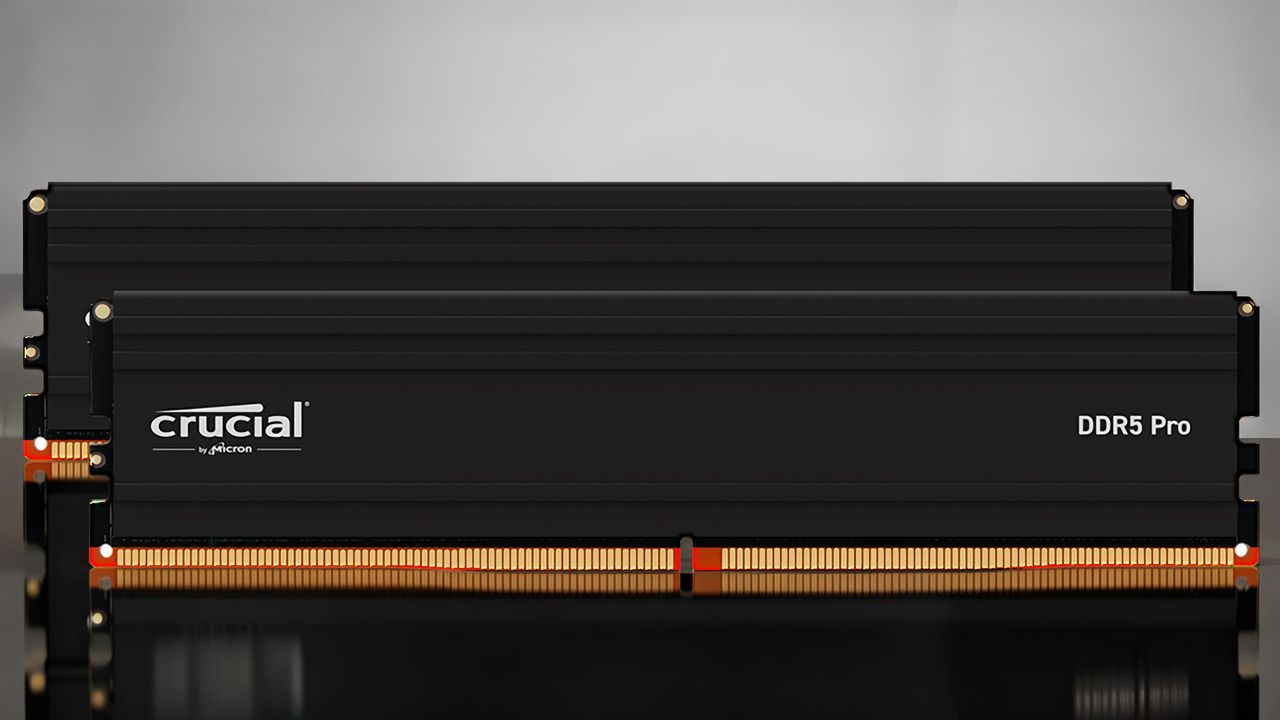
The story of Micron, a titan in semiconductor manufacturing, is one of incredible technological pivots. While the company now dominates the high-stakes world of data centers and artificial intelligence, its journey through the consumer market—specifically through its association with the Crucial brand—has left some users navigating frustrating warranty claims.
For years, Micron helped power mainstream users through products like RAM and SSDs under the trusted Crucial banner. Even after Micron exited the consumer space, the company made a promise to honor warranties on existing products. However, this commitment often met with unexpected friction when customers sought resolution for faulty components.
Recent online discussions reveal that navigating Micron’s customer service process can be an exercise in patience and careful calculation. A user facing issues with a failing DDR5 memory module found themselves confronted with reimbursement offers that seemed disproportionate to current market values. One case involved a bulk memory kit, where the offered refund was significantly less than what the user could currently expect for a comparable product on the open market.
The frustration deepened when dealing with return policies. In some instances, customers were required to send back entire multi-module kits, even if only a single component was defective—a common industry hurdle that adds unnecessary hassle to the warranty process.
Micron eventually adjusted its approach, offering more favorable resolutions. For instance, in one dispute concerning memory modules, the company provided an acceptable alternative: replacement modules that not only matched the original capacity but also offered superior performance compared to the faulty kit.
The difficulties extended beyond memory. Similarly, owners of Crucial SSDs have reported similar challenges when seeking replacements for failing drives. Instead of a straightforward swap, some users were offered compensation in gift cards, requiring them to navigate external payment methods and transaction fees just to receive value equivalent to the original purchase price.
This experience underscores a broader tension: how does a massive corporation manage customer loyalty and service when its focus shifts entirely toward high-profit enterprise markets? While Micron’s recent financial performance is staggering, ensuring smooth, fair warranty processes for loyal consumers remains a critical factor in maintaining that trust.
Buy on Amazon
Credit

