
Run classic MS Word natively on Windows 11 x64
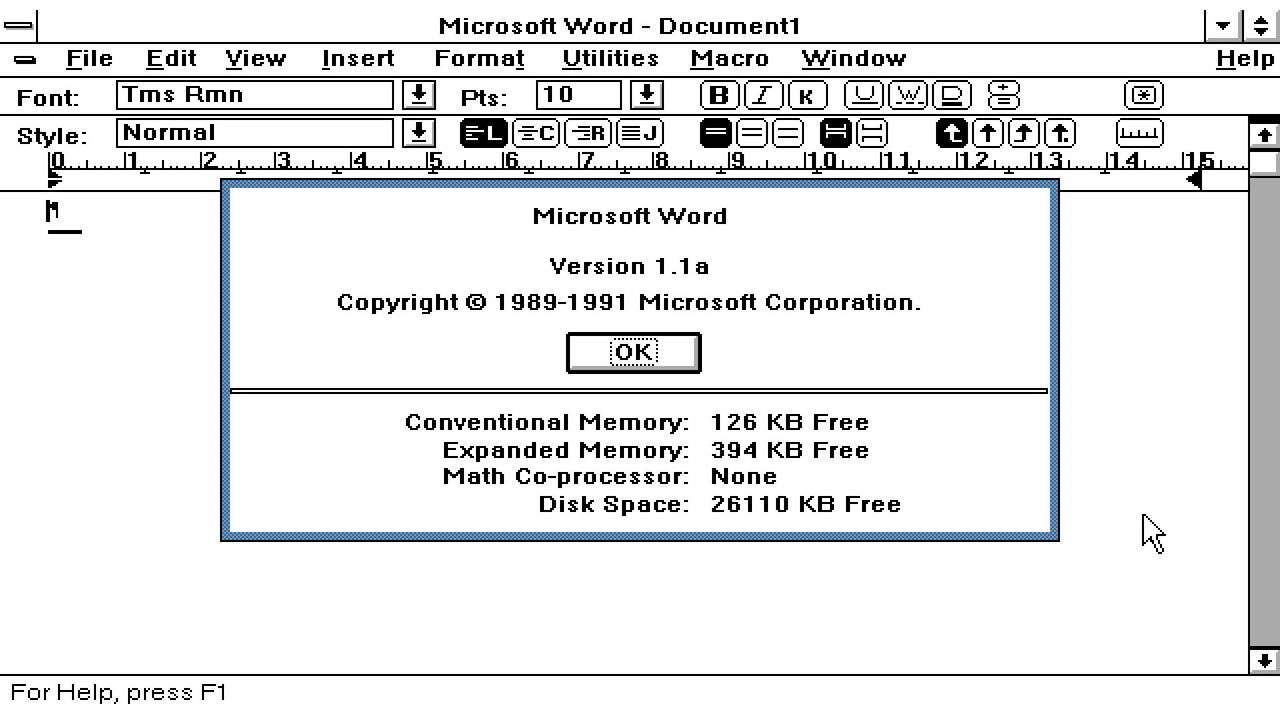
In an age where software is often locked behind complex operating system boundaries, a remarkable digital resurrection is underway. A developer has successfully ported the original Microsoft Word for Windows 1.1a—a program that was released over a quarter of a century ago—to run natively on modern x64 systems running Windows 11 PC.
This achievement is more than just a technical port; it’s a fascinating journey into computing history. Word for Windows 1.1a was a pivotal moment in the evolution of word processing, pioneering genuinely useful features like WYSIWYG editing, integrated graphics, and table insertion on the Windows platform. It served as a crucial catalyst, shifting users away from older, DOS-based productivity suites toward modern Windows dominance.
The original version of Word for Windows 1.1a was impressively efficient, capable of running smoothly on systems with very limited resources, such as those featuring as little as 1MB of RAM. It proved that powerful features didn’t require sprawling amounts of memory.
Adding to this legacy, Microsoft once permitted the release of the program’s source code in full. This provided a treasure trove for developers and historians: a 7MB bundle containing C source code, x86 assembly, build tools, and extensive documentation.
A modern developer, JMarshall23, has taken this historic codebase and performed the heavy lifting of updating it. They created a fully working native x64 port by replacing legacy components like 16-bit assembly and segmented memory boundaries with modern equivalents, ensuring seamless operation on contemporary hardware.
The process involved sophisticated engineering, blending historical fidelity with modern demands. It demonstrates that legacy software, once considered obsolete, holds significant architectural merit that can be successfully reinterpreted for the current technological landscape.
While the result is a functional application ready for modern systems, the code release itself carries specific terms. The source code permits only non-commercial use and explicitly prohibits licensing it to third parties by distributing copies elsewhere on the web.
For those interested in the mechanics of this digital evolution, the project is hosted on GitHub. It offers a pathway for curious minds to explore how foundational software from decades past can be transformed into a functional piece of contemporary technology.
Buy on Amazon
Credit

