MMOs should waste our time again
In the world of massive multiplayer online games, there is a constant tension between relentless efficiency and genuine wonder. We’ve evolved into an age where games like World of Warcraft have become relentlessly efficient machines, propelling players through seasonal ranks and escalating difficulty tiers with surgical precision. Yet, it is often in the moments we step off that treadmill that the magic still resides.
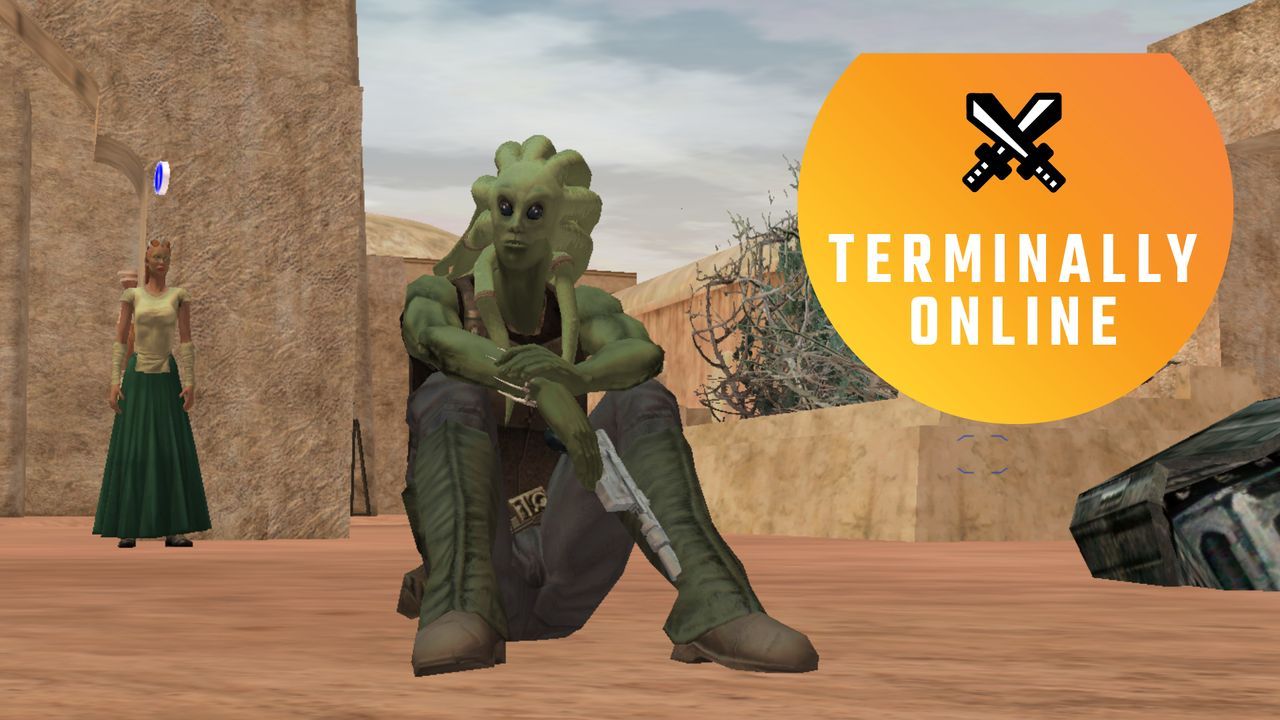
I’ve experienced this dynamic firsthand when diving into Star Wars Galaxies. Even with its early-2000s assets and stiff animations, that game felt dynamic in a way that modern MMOs often lack. It was a space where the thrill of exploration wasn’t dictated by weekly prompts, but by emergent experience.
When I revisited Galaxies, I found myself longing for something more. I had spent hours casually puttingter across the Tatooine wastelands, learning about skill systems and crafting mechanics, but I lacked the sense that my actions truly mattered to the world around me. I killed no impressive enemies and did few quests, content to let the game simply exist.
In contrast, the drive to engage with games like WoW often mandates action. Logging in requires an immediate bombardment of directives urging players to accelerate towards predictable gear score increases. It is an efficient system, undeniably, but it can feel like a treadmill where the focus is solely on quantifiable success.
The true enchantment, however, often surfaces in the incidental moments—the unplanned encounters that remind us why we play. It’s in the quiet observation of a player sharing a needed heal, or in finding a grateful emote from an opponent after a tricky fight. These moments transform a simple gameplay loop into a shared, persistent reality.
This is where the power of multiplayer in a shared world shines brightest. It is in these small interactions that the feeling of wonder returns, recapturing the sense of possibility that motivated early MMOs. This feeling is what Star Wars Galaxies captured in 2003, and it is the quality that its private server maintainers strive to keep alive.
In the expansive, player-made environments of Galaxies, the world itself felt alive. Surveying eahiate iron deposits led to sprawling, player-built cities in the dunes, filled with vacant tents and derelict cruisers. When I drifted through Mos Eisley, the scant details and featureless walls felt vibrant because the aliens, smugglers, and agents I encountered wanted nothing more than to linger there together.
Star Wars Galaxies, though dead for years, still remembers how to feel like a living world better than some of the market-leading MMOs that have survived it. It proves that the true treasure in multiplayer gaming isn’t just the gear or the rank, but the persistent, shared space where wonder can still be found.
Buy on Amazon
Credit
