One change to make Dawnwalker’s blood a great RPG
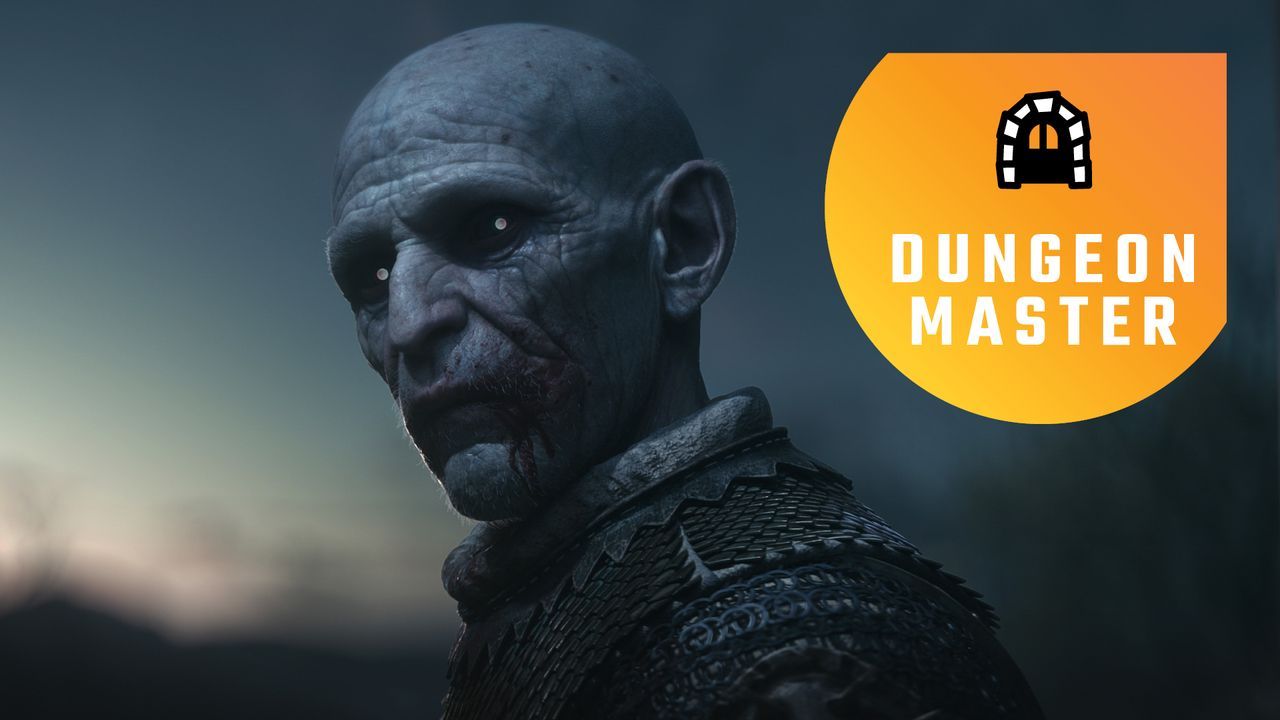
Welcome to the world of role-playing games, where we strive for characters that feel real and choices that truly matter. Lately, however, some games manage to pull off the fantastical adventure while leaving a lingering question about the core promise of agency. Take The Blood of Dawnwalker, a title that certainly delivers on action and atmosphere, but leaves us pondering the fine line between mechanical freedom and genuine narrative consequence.
The game centers on Coen of Laslea, a protagonist inspired by Geralt of Rivia, yet with a distinctly different heart. Coen is defined by his love for his family, a pleasant, relatable figure navigating monstrous realities. While the narrative explored themes of childhood trauma and familial obligation, the execution often resulted in a character who felt more like a pleasant dude than a deeply conflicted soul. There is a lot of potential in that character, but the weight of the story sometimes felt less about Coen’s internal struggle and more about the mechanics of the game itself.
In the realm of RPGs, players crave the feeling that their decisions reshape the world around them. In Dawnwalker, this impact is often subtle. Whether you choose to murder a vrakhir collaborator or let them go free, the world itself doesn’t seem to care. Most choices, even those intended to be impactful, unfold in a vacuum. It’s the difference between making a choice and seeing that choice ripple through the landscape—a difference that often feels negligible in this experience.
This issue extends beyond world-altering decisions and into the performance of the narrative. Voice acting, while a critical component, occasionally threw the tone off. A simple statement could shift dramatically based on the actor’s direction, creating incongruities that break the immersion. When character voices don’t maintain consistent emotional thread, even the best-written scenario can feel disjointed.
Yet, the game does possess a unique structural element that injects a powerful sense of urgency: the ticking clock. The initial prologue, where Coen has a single day to manage chores before the village faces the undead rulers, is wonderfully tense. This forced constraint immediately asks the player to prioritize—family or village survival? This initial pressure is brilliantly realized, creating a tangible sense of time moving inexorably forward.
This feeling of time pressure, however, largely dissolves once the main questline begins. While the game offers 30 days to complete the adventure, the illusion of urgency fades. The feeling that time is a restrictive force is most potent during these early, isolated moments. This structural choice begs for a re-evaluation of how time should be implemented in games to enhance agency.
What makes the design truly shine is the ability to choose how time is utilized. A game could elevate the experience by allowing individual quests to operate with their own timers, forcing players to actively manage Coen’s daily routine. This would grant NPCs more agency and demand real, daily decisions about Coen’s priorities, rather than simply offering a linear checklist. This shift would turn a convenient mechanic into a genuine driver of roleplaying.
Ultimately, The Blood of Dawnwalker is a game built on a solid foundation of action and world-building. It is a step up in combat design compared to some contemporaries, and the narrative scope is ambitious. But for the storytelling to achieve true depth, it needs to evolve past its mechanical prowess. The next iteration of this kind of RPG should focus less on pre-defined outcomes and more on the complex, meaningful consequences of the time and choices that unfold.
Buy on Amazon
Credit
