Palworld rejected collabs defy its fun-first philosophy
Forget Metacritic scores and player counts. The true measure of a game’s achievement is no longer how many people played it, but how many other worlds it can successfully squeeze into its lifespan. We are on the cusp of an era where games won’t just exist in isolation; they will become sprawling meta-universes, collaborating and merging to create one giant, interconnected experience.
This trend isn’t just a passing fad—it’s a fundamental shift in design philosophy. The future of gaming is likely less about creating perfectly sealed worlds and more about crafting ecosystems where different IPs can interact seamlessly. And if you ask the developers pushing this boundary, they admit that much of the hesitation isn’t about the logistics, but about creative control.
Take Palworld as a prime example. While many collaborations are launched purely for branding, the real genius lies in which ones are integrated organically. The developers have openly stated that they reject collaborations that simply don’t make sense, preferring to let their games maintain their distinct artistic vision. After all, the goal is to create something brilliant, not just something that checks boxes.
But when collaborations do happen, success depends entirely on clever design. Not every pairing results in a chaotic mess; some collaborations achieve a kind of magic where the elements fit together almost instantly. The key is finding those perfect integrations where the borrowed content enhances the experience rather than diluting it.
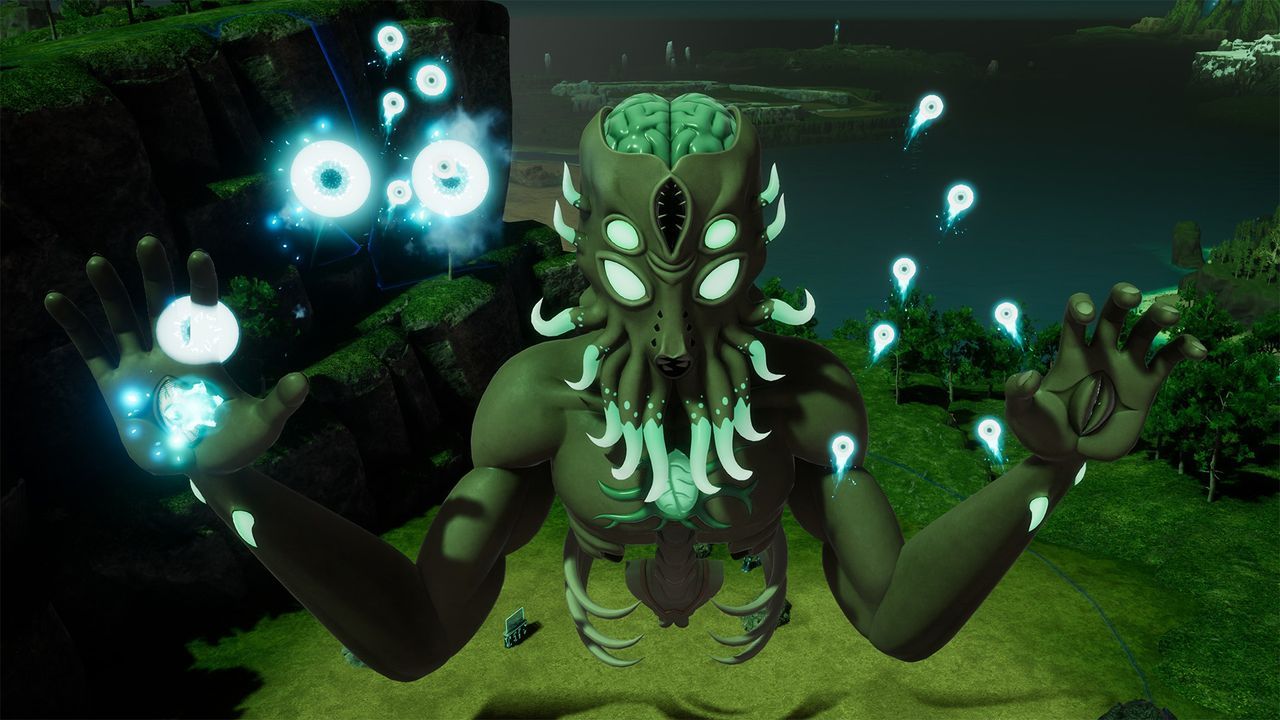
For instance, the collaboration with Terraria proved to be a masterclass in seamless integration. Creatures and items from one world felt like they belonged right on the Palpagos Islands, blending into the existing environment effortlessly. This demonstrated that when you focus on making things fun—a “fun-first approach”—the results can be spectacular.
The philosophy extends to other partnerships too. Even in the UltraKill collaboration, the introduction of new armaments felt completely natural because players already had access to foundational weaponry within the game. This confirms that when developers prioritize the player experience and build upon existing systems, even seemingly outlandish ideas can slot into place with ease.
Ultimately, the message from the development community is clear: letting creativity flow—even across boundaries—is the new standard. The next generation of gaming isn’t just about what a game contains, but how brilliantly it can weave together what the world offers. Get ready for games that don’t just compete, but collaborate.
Credit