Players outsmarted WoW director in Ahn’Qiraj
There is a unique, agonizing pressure that settles on game developers, especially those crafting massive, complex environments like Massively Multiplayer Online games. You might have the perfect vision for a new mechanic, but there is no guarantee it will survive contact with a horde of motivated, hardcore players.
This tension between design intent and player exploitation is a timeless struggle in the world of gaming, particularly in the sprawling landscape of MMORPGs. It highlights the inherent difficulty of building rules that are both elegant and unbreakable.
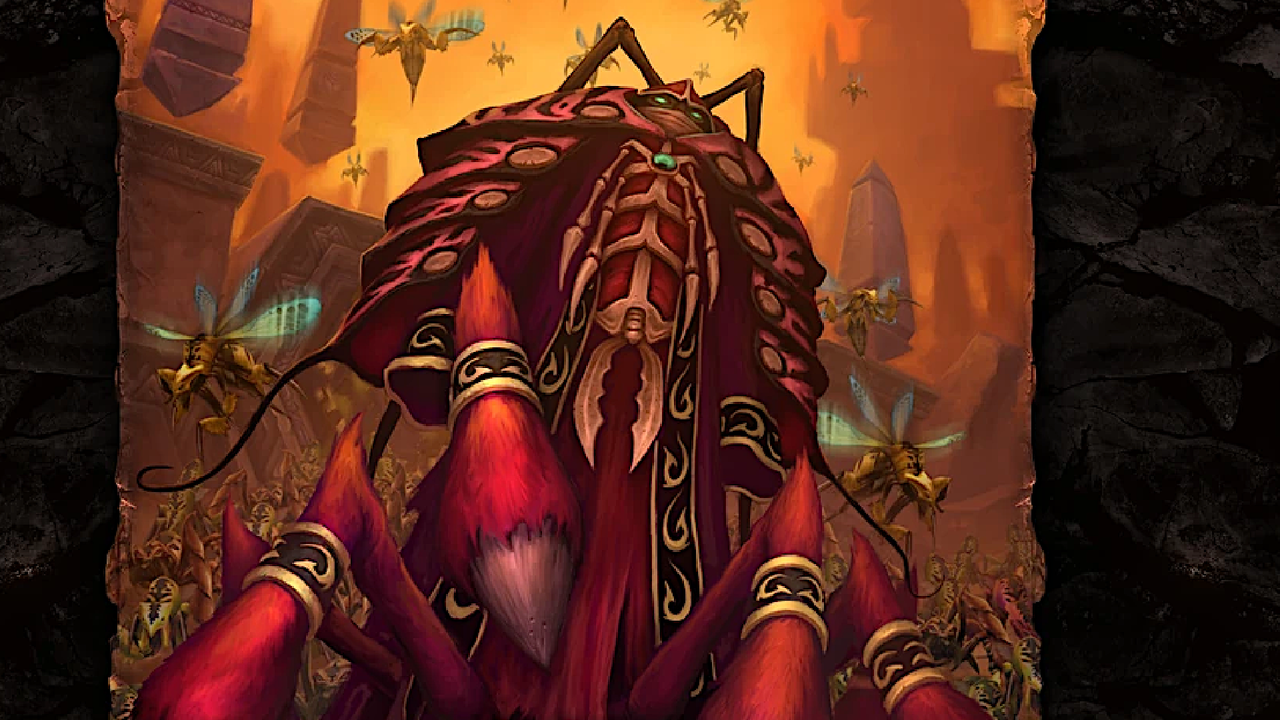
Former Blizzard game director Wyatt Cheng has spent years navigating this very struggle, offering fascinating insights into the pitfalls of game design. He recounts an episode from roughly two decades ago, centered around the launch of Ahn’Qiraj and a notoriously tricky boss, The Prophet Skeram.
Cheng recalls the specific challenge: he wanted players to distinguish between the true Skeram and its illusions. His goal was to ensure that the copies would drop in health faster than the real entity, offering a clear, measurable difference for the raid team.
He envisioned a system where raid parties could accurately judge damage output and call out the fastest target. The theoretical idea was that if you didn’t kill the illusions first, you would unintentionally force the main boss into the next health threshold, leading to catastrophic wipes.
Unfortunately, the reality proved far more chaotic. Players found numerous ingenious ways to bypass the intended mechanics. Cheng notes that his initial attempts to prevent exploitation were quickly overshadowed by community ingenuity.
In testing, developers discovered that exploits were not just bugs, but clever manipulations of the game’s systems. Discoveries ranged from finding hidden creature IDs in user interfaces and mismatched localization strings to exploiting pet mechanics and mana systems.
This created a frantic arms race. Designers were constantly trying to describe the boss correctly, while players simultaneously mapped out every loophole. The outcome was a dynamic environment where the community’s understanding often became more complex than the original design itself.
While designers always strive for flawless execution, Cheng remains humble about the reality of the situation. He acknowledges that while the studio will certainly fix genuine bugs or exploits, the ability of players to outsmart the designer is a fascinating, unavoidable element of the history of gaming.
Buy on Amazon
Credit
