Redfall director blasts Arkane’s GaaS game idea
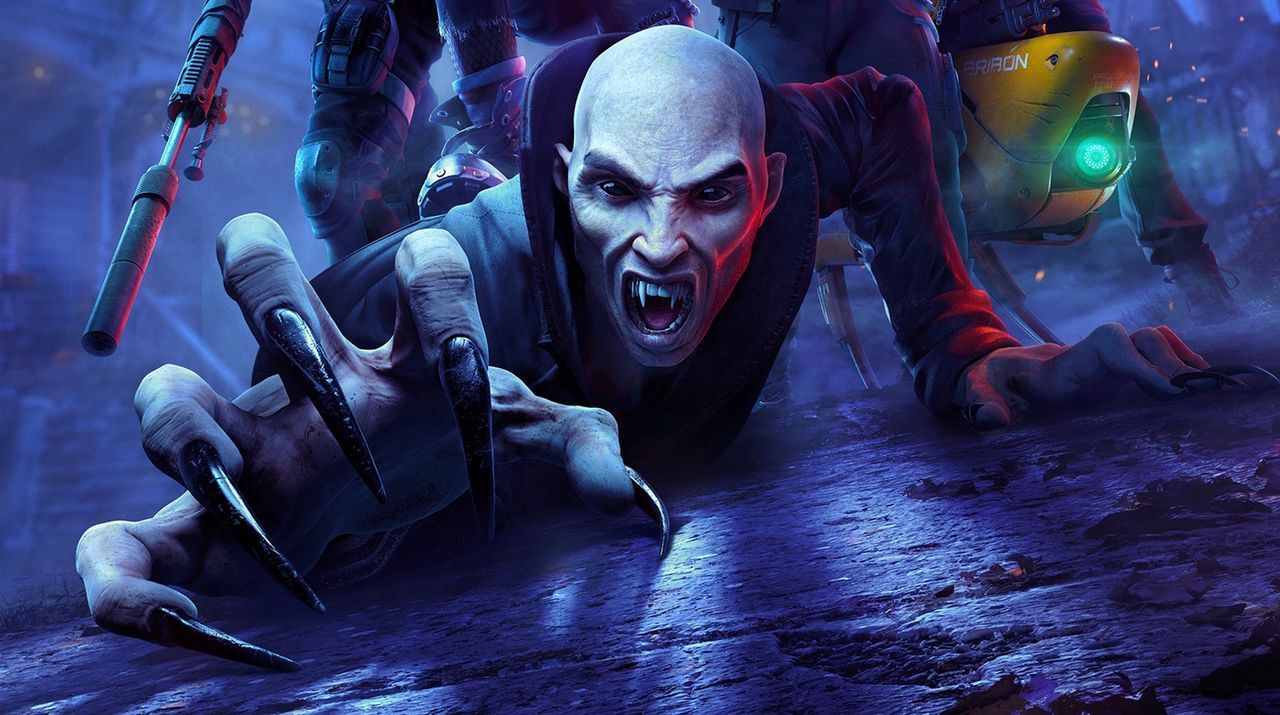
There are games that define eras, and then there are games that serve as cautionary tales. Redfall, an open-world multiplayer shooter developed by Arkane Austin, falls firmly into the latter category. It was a project that, despite the involvement of some of the industry’s most celebrated masters of immersive sims, ultimately proved to be a spectacular, if tragic, misstep.
The journey of Redfall is a stark reminder of how quickly ambition can collide with corporate reality. The team, which included game designers known for their deep understanding of immersive world-building, found themselves navigating the complexities of a live service shooter—a genre outside their core expertise. This ambitious venture ultimately led to a significant corporate shift, resulting in the shutdown of Arkane Austin and the loss of nearly 100 jobs.
Yet, even in failure, there are sparks of brilliance. When development stalled, the developers did not simply walk away; they begged for a chance to finish what they started. They managed to return and complete the final update, 1.4, providing some players with a final, albeit flawed, experience.
During that final push, a remarkable piece of writing emerged. A section within the final patch was penned by co-director Ricardo Bare, exploring profound themes of love, community, and the metaphorical distance between humans and vampires. It was a moment of unexpected depth, demonstrating that even in a commercial failure, the creative heart can still beat strongly.
The fallout extended beyond the game itself, touching the broader landscape of console wars. Plans for a PlayStation 5 version were abruptly cancelled after Microsoft acquired Bethesda, allowing competitors to weaponize Redfall’s less-than-stellar critical reception as an example of Xbox‘s shortcomings.
Former Arkane Creative Director Harvey Smith, now CEO of Black Pony Immersive, reflects on the experience with wry honesty. He notes that the divergence of priorities—the $70 price point, the lack of a performance mode, and the fundamental shift away from immersive sim expertise—created a perfect storm. The biggest challenge, he points out, was simply getting back to what they do best.
“Getting back to what we do best was the number one priority,” Smith states. “For folks at Arkane and now Black Pony, this is where our focus lies.”
This pivot led to a new direction. Black Pony Immersive is now focusing intently on the immersive sim genre, a space where their expertise shines. While the path was rocky, the experience provided invaluable lessons in development, community, and creative persistence, proving that sometimes the most impactful stories emerge not from perfect launches, but from challenging failures.
Buy on Amazon
Credit
