
Saber CEO scorns writer over AI firing claim
The AI Authorship War: When Game Writers Clash with CEOs Over ChatGPT
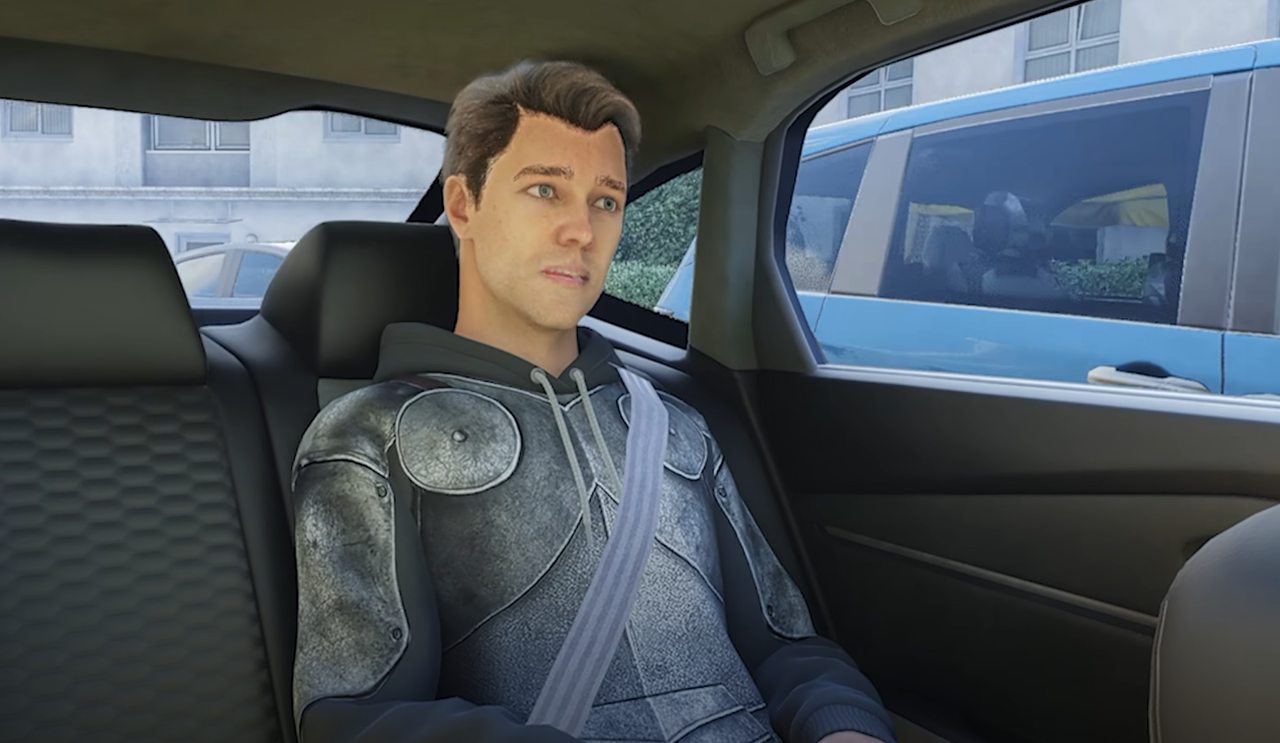
In the world of video game development, the lines between human creativity and artificial intelligence are being sharply redrawn. The controversy centers around the development of the driving simulator game Rideshare Stimulator, where a former lead writer claimed she was replaced by ChatGPT in favor of artificial intelligence tools. This assertion ignited a public dispute between the game’s creator and its publisher, Saber Interactive, pushing the conversation into a fascinating new territory about authorship, confidentiality, and the role of AI in the creative process.
Stella Sacco, who claimed to have been the lead writer for the project, openly shared her experience on social media. She suggested that she had been removed from the project in 2023 in favor of AI, a claim which immediately drew attention. However, Saber Interactive quickly responded by denying these claims. While acknowledging that generative AI was used during the development phase of Rideshare Stimulator, the publisher insisted that the story script was written entirely by real people.
The friction escalated when Saber Interactive’s CEO, Matt Karch, issued a strongly worded statement. Karch accused Sacco of violating a confidentiality agreement for revealing information prematurely. More dramatically, he took the opportunity to frame the situation not as a matter of authorship, but as one of moral superiority, suggesting that artificial intelligence is inherently more honest than human writers.
Karch’s response was pointed: he stated he had only learned about Sacco by consulting an AI chatbot. He asserted that she had been replaced by someone “more talented” and suggested he would retrospectively be happy to replace her with AI, arguing that AI is naturally “programmed to be honest.”
Sacco stood firm in her account, viewing Karch’s statement as a blatant attempt to cover up the reality of the situation. She expressed frustration over what she perceived as a corporate attempt to use the controversy for self-protection rather than transparency.
She argued that the CEO’s response was not merely defensive but an aggressive lashing out aimed at hiding the use of AI in the game. Sacco contended that this approach risked damaging Saber’s reputation more than any admission would, suggesting that this incident was many people’s first look at the corporate maneuvering within the gaming industry.
The dispute underscores a broader tension: as technology accelerates creative processes, developers and creators are grappling with defining ownership and authenticity. Whether an AI can truly be considered a co-author or merely a tool remains a complex question, especially when powerful corporations seek to manage the narrative around innovation and authorship in the digital age.
Buy on Amazon
Credit

