Saber claims no more development in North America
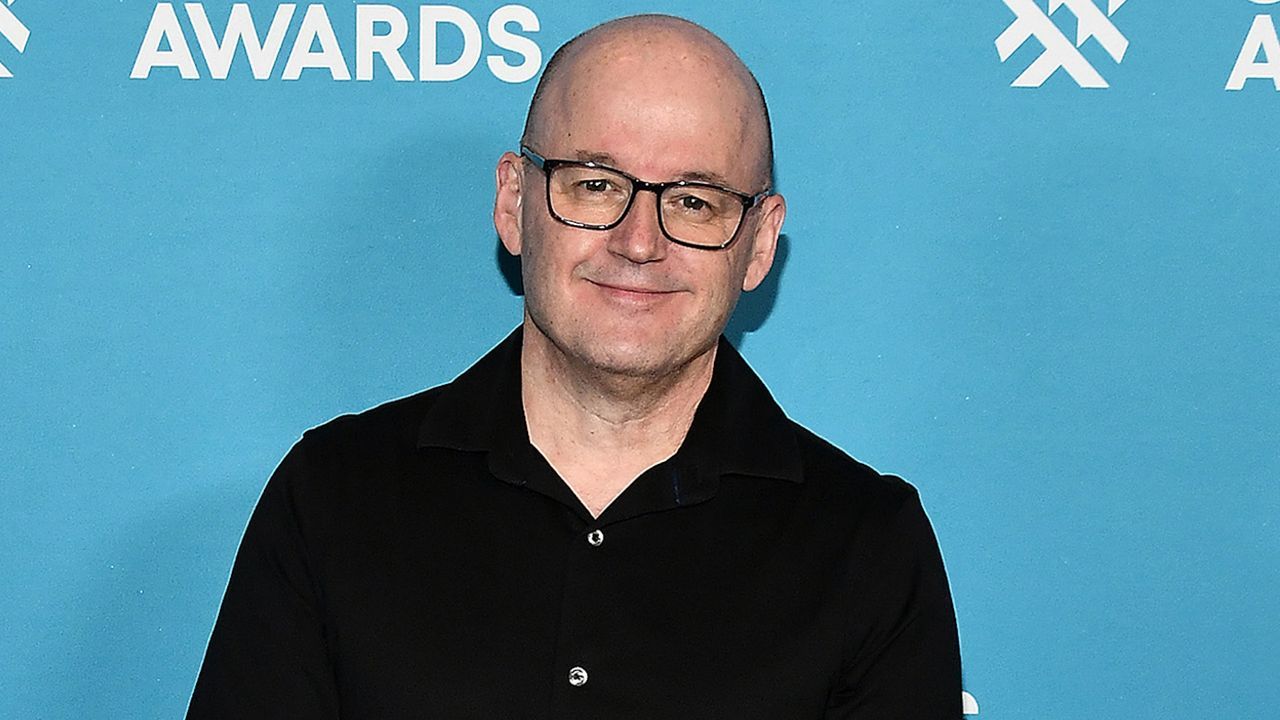
The landscape of massive video game development is undergoing a seismic shift, moving away from centralized hubs and embracing a truly global approach. This reality is being championed by industry figures who argue that the boundaries of where brilliant creative talent resides should be nonexistent.
During a recent interview at Gamescom, Saber Interactive CCO Tim Willits drew a sharp line between publishing and development, revealing that the company no longer maintains a physical presence for real game development in North America. Instead, Saber operates through a constellation of global subsidiaries, proving that the pursuit of awesomeness knows no geographic limits.
“We are not afraid of any territories,” Willits stated, advocating for a philosophy where development is driven purely by talent and need, not by geography. He challenged the notion that brilliance must be confined to places like California, asserting that the necessary skills—be they programming, art, or animation—are available everywhere.
This decentralized model is more than just a philosophical stance; it’s an economic diagnosis of the industry’s structural issues. Willits pointed to the unsustainable economics of large, North American-centric studios. He highlighted the staggering cost associated with AAA development, noting that a single large studio can incur development costs easily exceeding two million dollars a month.
The math, he argued, is stark. A game like SnowRunner, which has accumulated hundreds of millions in success, cost the company six million dollars to produce—equivalent to three full months of development time in California. When considering the five-year timeline for developing a massive title, the salary expenditure alone could reach one hundred twenty million dollars.
This expense breakdown naturally leads to the discussion of offshoring. Saber’s operations span numerous countries, including Serbia, Armenia, Georgia, Spain, Portugal, Sweden, Argentina, and Australia, demonstrating the reality of distributing high-level work across lower-wage markets to manage costs.
While embracing this global freedom, Willits offered a tempered perspective on the current industry crisis. He diagnosed the root problem not necessarily as a dire catastrophe, but as a systemic issue rooted in overspecialization among developers working on single titles. This tendency toward hyper-specialization, coupled with the massive financial commitments of AAA development, has created an unsustainable model.
Ultimately, the shift signals a necessary evolution: the future of game development is less about geographic location and more about intelligent, distributed execution. By trusting global talent and restructuring development workflows, the industry may find a more sustainable path forward, proving that true innovation requires less bureaucracy and more freedom.
Buy on Amazon
Credit