Saber exec says it’s a great time despite industry turmoil
The video game industry is currently navigating a choppy economic sea, marked by sharp cuts and soaring hardware costs. Yet, amidst the financial turbulence, a remarkable perspective is emerging: for some, the creative engine is running hotter than ever, proving that the desire to make interactive entertainment remains fundamentally indestructible.
Developers are facing unprecedented pressures, with reports indicating that layoffs have been relentless. This painful trend highlights a systemic struggle, particularly for those working within the mainstream sector. The numbers tell a stark story: a significant portion of US game industry workers were laid off over the last two years, leaving many without immediate opportunities, despite the industry’s ongoing need for fresh talent.
Simultaneously, the cost of powering these experiences has skyrocketed. The ongoing hardware crunch, often dubbed RAMpocalypse, has driven component prices to extreme highs, making upgrades and the development of new systems increasingly out of reach for many aspiring creators.
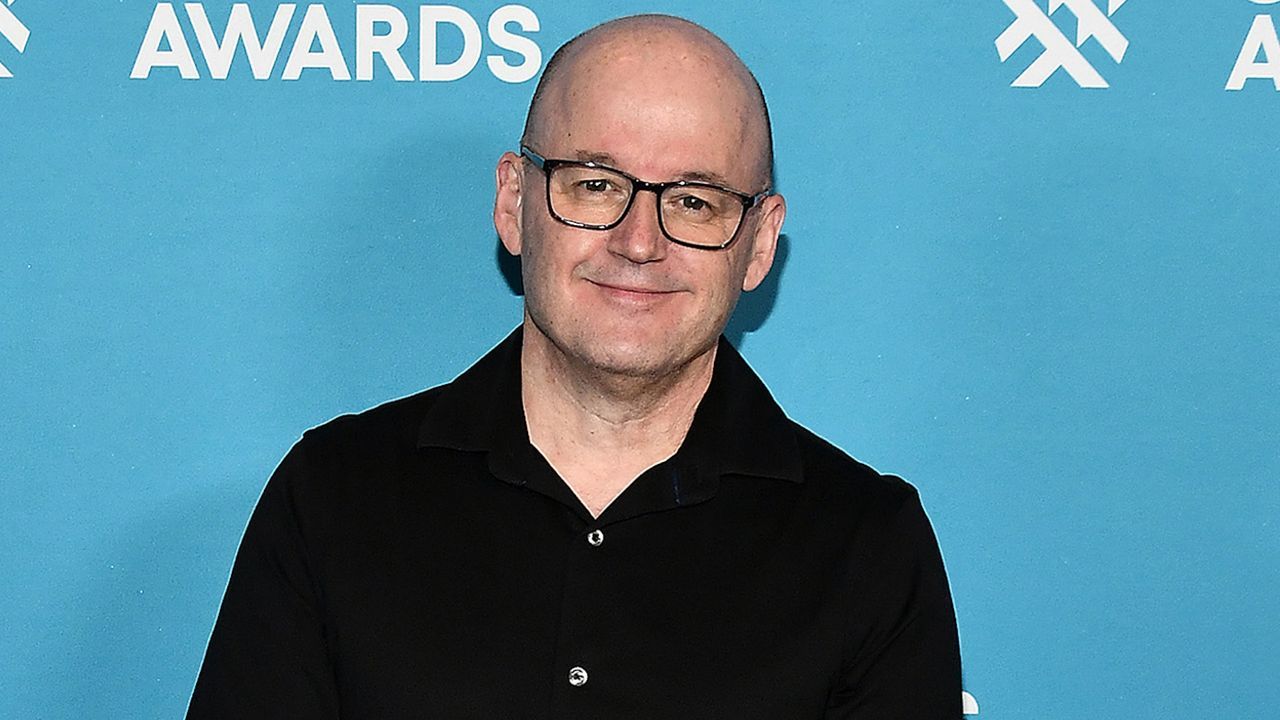
However, some leaders argue that the accessibility of modern platforms—like Fortnite and mobile phones—offers a powerful counter-narrative. Chief Creative Officer Tim Willits suggests that the industry is actually in a good place because the ability to reach players is so broad. He posits that the core magic of gaming is the art we create, something that transcends specific hardware limitations.
Willits believes that location and delivery methods are shifting. The future of game development might not be confined to traditional hubs; the rise of China as a powerhouse and the potential for independent developers to utilize any platform means that a game can now exist anywhere. As Willits noted, if a talented individual has an idea, they can put it on anything—a phone, an indie engine, or a massive cloud game.
This shift empowers the individual creator. Even if the larger corporate landscape is undergoing difficult restructuring, the sheer volume of talent and the availability of tools mean that talented individuals are being sought out by companies looking to reabsorb skilled workers. The focus is moving from expensive systems to accessible creativity.
While large studios are engaged in necessary cost-cutting measures, the creative pulse of the industry continues unabated. Talented individuals are finding ways to thrive, whether by finding a sustainable niche, crafting surprise hits like Balatro, or focusing on deep, engaging concepts. The ability to create meaningful, interactive art remains the industry’s most enduring asset.
Buy on Amazon
Credit
