Saber Interactive adds AI disclaimer after CEO scrap
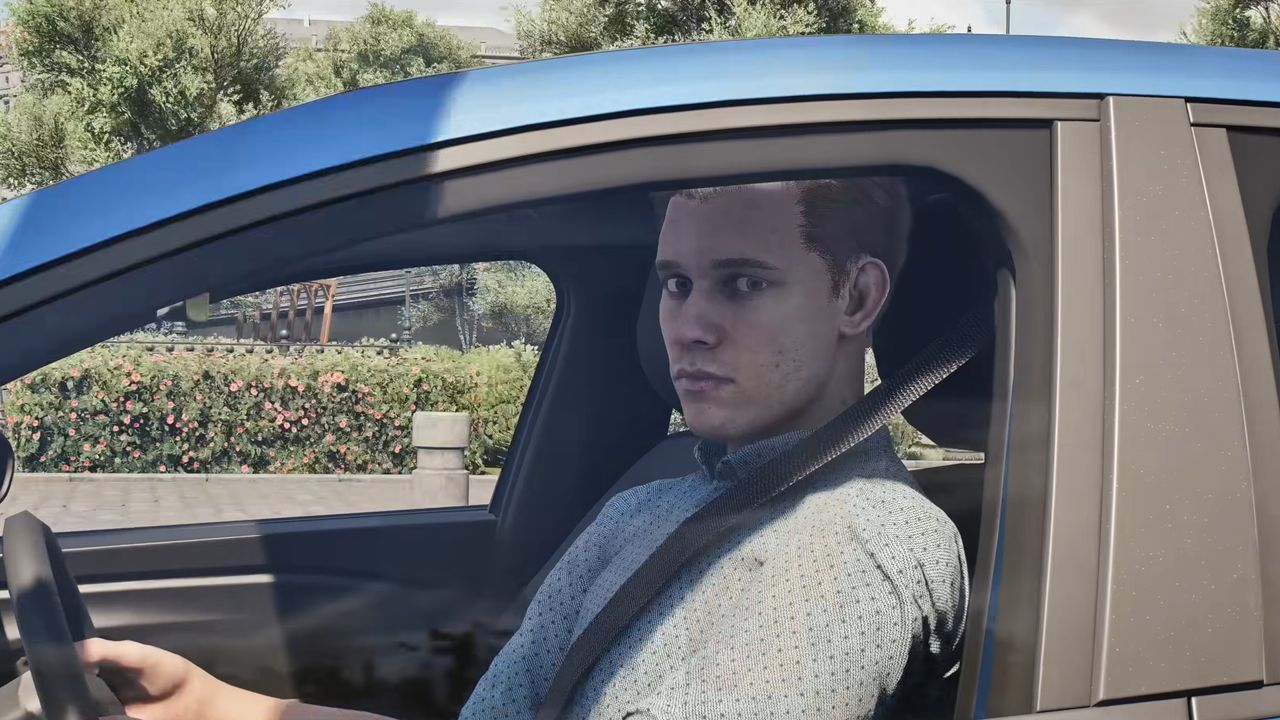
One of the most unexpected storylines in the gaming world this week involved a public clash between a former writer, Stella Sacco, and the CEO of Saber Interactive over the use of artificial intelligence in game development. The disagreement escalated when Sacco claimed she had been replaced by AI tools, prompting a sharp reaction from the company leadership.
The friction began when Sacco revealed that she felt she was supplanted by ChatGPT in 2023. Her public statement drew a strong response from Matt Karch, the CEO of Saber Interactive. When asked about her claim, Karch reportedly sought clarification from an external source, noting that they were already incorporating AI into certain aspects of the game and planned to update Steam with final feature sets once everything was settled.
Sacco found the publisher’s subsequent reaction decidedly unhelpful, calling the CEO’s statement “remarkably pathetic.” This exchange quickly exposed the tension between creative personnel, corporate strategy, and the emerging technology of generative AI.
The controversy deepened as Saber Interactive faced scrutiny regarding how they integrate these tools into their projects. The company ultimately decided to implement a disclaimer on the Rideshare Stimulator game’s Steam store page, though this measure was not present when the game launched in July.
Karch defended the decision by emphasizing the complexity of incorporating AI into game design. He pointed out that adding these features required bringing in additional writers and coders to work with AI tools, arguing that the net cost of incorporating them was significantly higher than omitting them entirely.
The implemented disclaimers go beyond simple dialogue generation; they reference a complex mix of radio stations featuring human-made music alongside AI-generated tracks, ensuring transparency about all media sources within the game experience.
Despite the public spat, Karch attributed the overall situation to a publicity stunt, suggesting that staff numbers have actually increased since 2023 anyway. Yet, the incident left lingering questions about corporate secrecy and the role of AI in shaping the creative landscape of modern gaming. It forces a conversation about whether the industry is truly ready to embrace these tools openly or if it remains guarded by cautious PR strategies.
Buy on Amazon
Credit