Saudi EA plans massive cuts after $18B debt
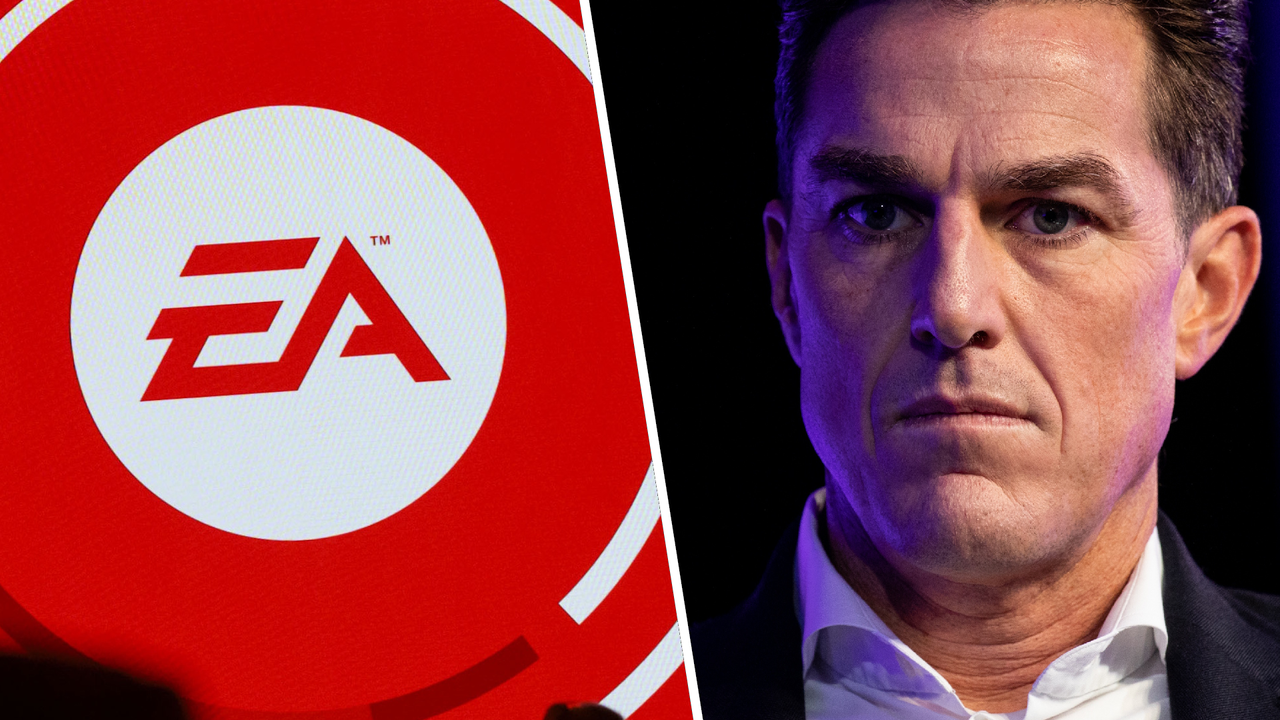
The Price of Power: How Electronic Arts is Being Reshaped by Saudi Investment
A seismic shift is underway in the gaming world as Electronic Arts officially transitions into private ownership, acquired by Saudi Arabia’s Public Investment Fund, along with investment firms Silver Lake and Affinity Partners. This monumental deal not only privatizes the company but also triggers a wave of intense financial scrutiny and inevitable corporate restructuring.
The move transforms EA away from public markets, marking the first time in 36 years that the giant will no longer trade on the NASDAQ. This transaction comes with staggering financial implications: EA will assume 18 billion dollars in debt, immediately placing it on the hook to service approximately $1.8 billion annually in interest payments.
While industry analysts ponder the sustainability of this debt load against the company’s earnings, the immediate focus shifts to cost management. Sources indicate that EA plans to implement significant cuts, targeting a reduction of $700 million in annual costs. These savings are earmarked for organizational efficiencies, which, in the corporate world, almost always translate into mass layoffs.
This reality echoes patterns seen across the industry. Large-scale acquisitions frequently result in dramatic restructuring, reminiscent of previous mega-deals, such as Microsoft’s acquisition of Blizzard, which resulted in thousands of job losses across the combined entities. The trend suggests that wherever massive capital is deployed, operational streamlining becomes the necessary path forward.
EA has already begun making significant workforce adjustments ahead of the acquisition, signaling a move to align its structure with new financial realities. This action introduces further uncertainty for the talent pool as the company integrates new strategies and personnel.
Despite these internal shifts, the broader gaming market remains robust. Global games revenue has surpassed the $200 billion mark in 2025, demonstrating that the industry is massive and highly profitable. The central question now is how this immense wealth is distributed among the creators and employees driving this growth.
As talent floods into a hiring pool already expanding, the prospect of further restructuring at EA is unavoidable. It underscores a broader theme: even in booming sectors, corporate maneuvers often lead to significant realignment of staff. The story of Electronic Arts is now entering a new chapter defined by financial pressure and profound organizational change.
Buy on Amazon
Credit