
Seagate and Toshiba HDDs fail twice as often in major drive study
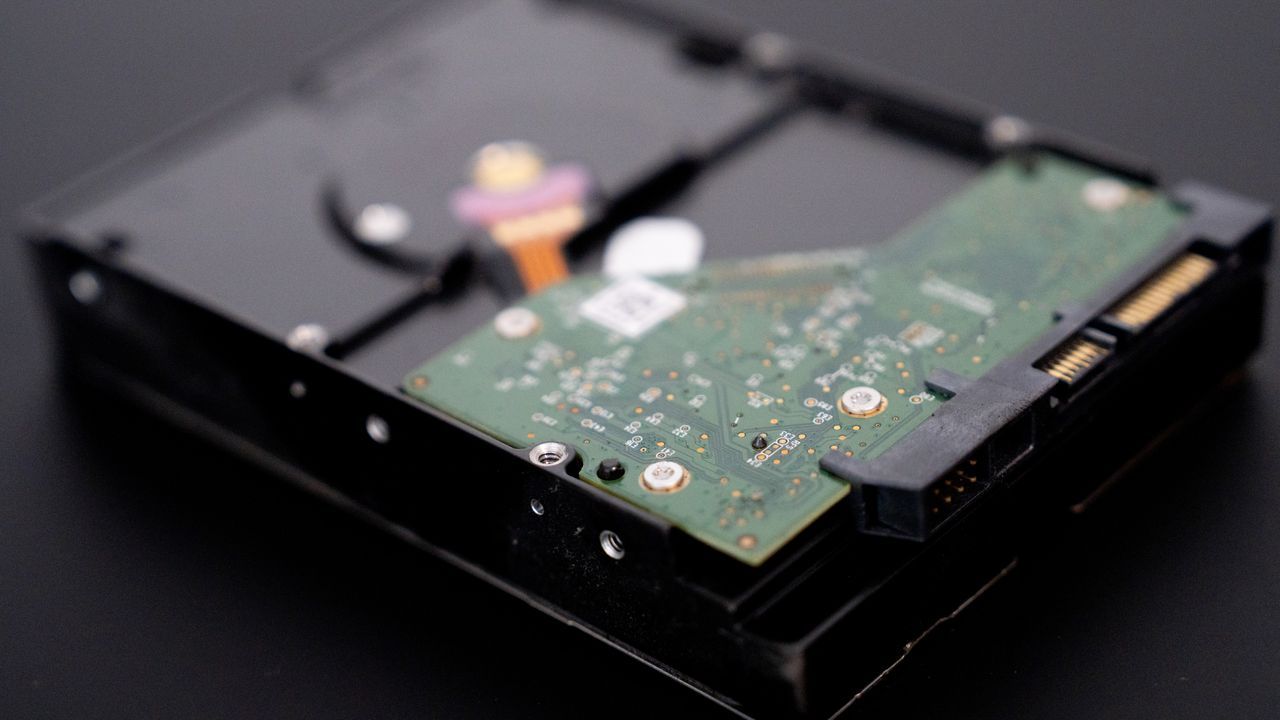
When it comes to data storage reliability, the truth is often buried beneath complex metrics and lengthy testing cycles. But new research is cutting through the noise, offering a hard look at which manufacturers are truly delivering long-term performance. Economists Christoph Siemroth of the University of Essex and Yeomyung Park of Sungkyunkwan University recently published an IEEE peer-reviewed study that re-examined 12 years of Backblaze public drive data, throwing some fascinating light on the reliability differences among major storage brands.
The analysis dove into the performance metrics of over 443,000 hard drives and more than 1.66 million drive-years, comparing them against each other across varying ages. The study found that when comparing drives of matched age, capacity, form factor, and operating temperature, the failure rates reveal a clear ranking that challenges conventional assumptions.
The results painted a nuanced picture of reliability. Hard Disk Storage (HGST) drives showed a failure rate roughly 41% of what Seagate experienced. Western Digital (WD) was slightly behind, with a failure rate around 52% of Seagate‘s rate. In stark contrast, Toshiba posted a significantly higher failure rate, exceeding Seagate’s rate by 107%.
This statistical comparison isn’t just about raw numbers; it reflects the history of the data itself. The authors noted that because Backblaze’s fleet skews toward different eras—with HGST leading new installations in 2014, Seagate dominating later years, and Toshiba and WD taking prominence more recently—the comparison effectively pits aging stock against much fresher units.
The study further revealed dramatic reliability shifts based on age. While Seagate’s failure rate remained relatively steady throughout the period, Toshiba experienced a monolithic jump: its monthly failure rate more than quadrupled once drives passed 60 months of service. This dramatic acceleration in failure rates for Toshiba was unique among the tested manufacturers.
Beyond brand history, the physical environment also played a critical role. The models demonstrated that every degree Celsius increase in average drive temperature raised failure rates by 2.1%. Furthermore, capacity matters: cutting the capacity by one additional terabyte reduced failure rates by approximately 3.4%, an effect attributed partly to innovations like helium-filled enclosures and newer head-fabrication processes.
It is important to remember that this robust analysis focused on enterprise drives operating within Backblaze‘s data centers, meaning the findings reflect short-to-medium term reliability rather than consumer use. While the ranking holds significant weight in understanding fleet performance, real-world application involves complex workload factors and operating environments.
Buy on Amazon
Credit

