Silent Hill writers pushed to read 100-200 books yearly
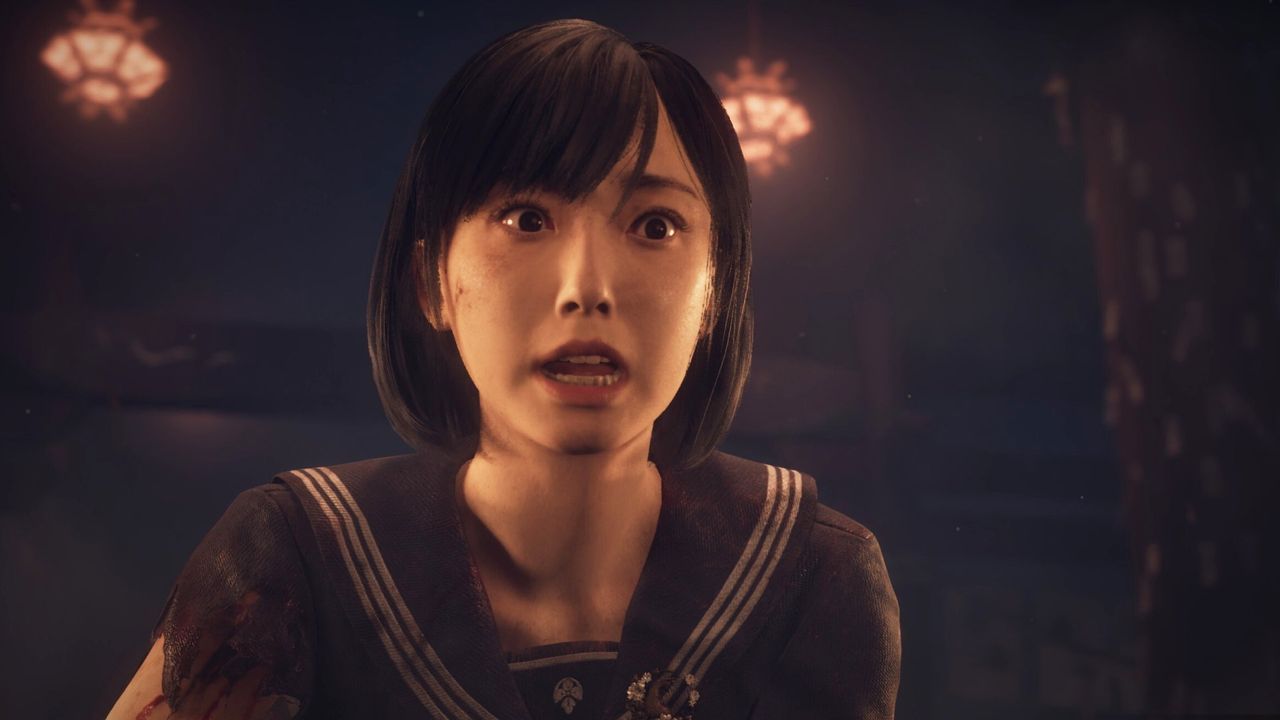
In the high-stakes world of game development, where creativity reigns supreme, some producers are advocating for a surprisingly non-traditional form of preparation: reading an entire library.
Silent Hill producer Motoi Okamoto recently made this demand public, suggesting that true artistic depth requires more than just deep familiarity with game mechanics. Speaking at a conference in Japan, Okamoto emphasized that being well-read is an essential trait for any video game producer, asserting that reading the body of work of every writer he collaborates with is a matter of basic respect.
This isn’t just a philosophical musing; it translates into workplace policy. Okamoto noted that to ensure developers receive robust “input” and artistic inspiration, pressure is placed on the team, particularly scenario writers, to maintain an impressive reading habit—specifically, aiming to read at least 100 to 200 books per year.
When asked about this significant workload, Okamoto admitted the challenge. While he finds traditional workplace KPIs (key performance indicators) often circumspect of such mandates, he acknowledged the value. He shared a relatable view, noting that while he is personally working on his own reading goals, he would be happy if others embraced this approach, concluding with a lighthearted remark that books are simply good for you.
Okamoto’s philosophy connects personal literacy directly to professional innovation. He stressed that having a base of artistic inspiration outside the confines of video games is crucial for fostering truly unique creative output.
This theme resonates across the industry. Other veteran developers have echoed this sentiment, pointing toward external sources for inspiration. For instance, Obsidian design director Josh Sawyer has spoken about how games should pull artistic inspiration from anywhere and everywhere, citing historical influences like Greek plays.
The push for broader cultural awareness is not new either. Similarly, past industry figures have grappled with the sources of musical and narrative inspiration in gaming. Final Fantasy composer Nobuou Uematsu, for example, recently reflected on the stagnation he observed in game music, partly attributing it to newer composers relying too heavily on existing video game scores for inspiration.
Okamoto’s challenge—to broaden the wellspring of creative thought—suggests a shift: that game producers must cultivate a wider intellectual curiosity. By encouraging their teams to engage with diverse literature and art, they are not just demanding more reading; they are laying the foundation for games that possess richer, deeper emotional and narrative worlds.
Buy on Amazon
Credit
