
SpaceX uses Nvidia GPUs for Vera Rubin launch next year
In a move that solidifies the dominance of one player in the AI hardware race, Elon Musk has declared an exclusive commitment: SpaceX and its AI division, xAI, will build exclusively on Nvidia GPUs, citing them as simply the best available technology.
This declaration was not merely a casual remark; it followed a deeper dive into the technical superiority of Nvidia’s architecture. During recent earnings calls, Musk highlighted the design of Nvidia’s Vera Rubin NVL72 rack-scale system as being above all else currently available. He argued that this specific design represents the pinnacle of AI computing infrastructure.
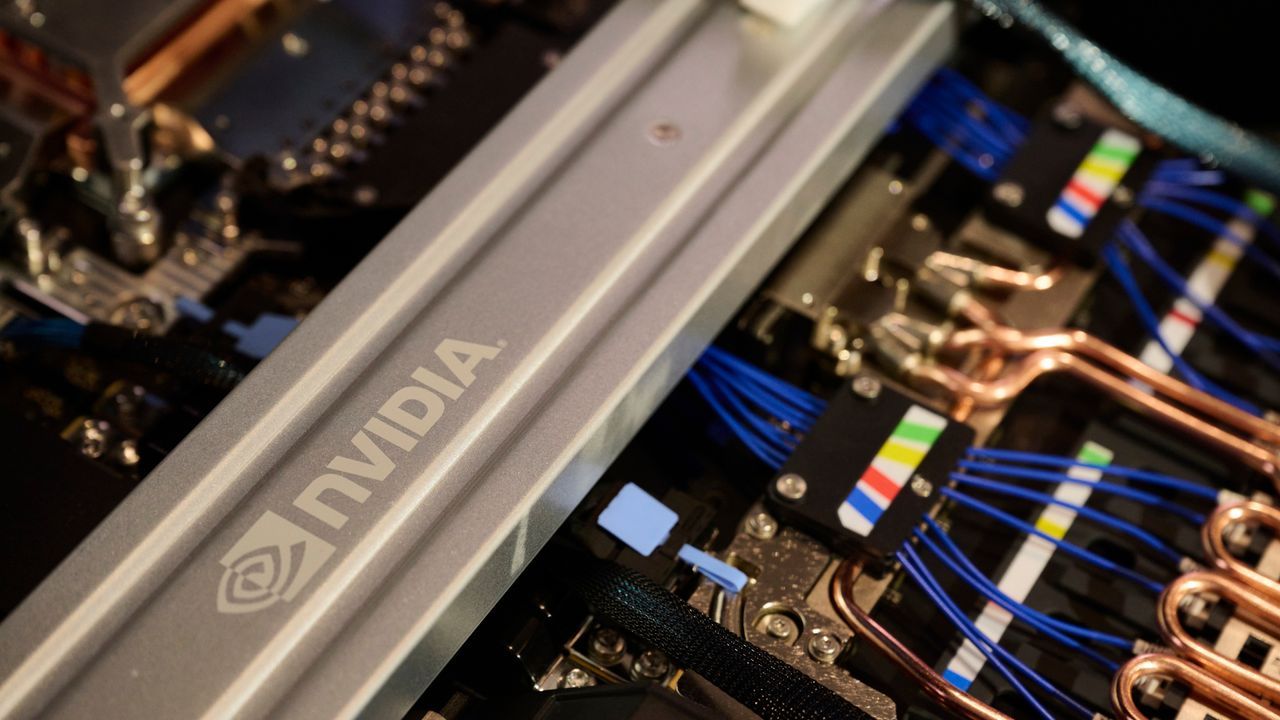
The admiration extends beyond raw processing power. Musk singled out the physical design of the NVL72 VR[200] computer, particularly its innovative cable-less compute trays. He explained that eliminating the need for numerous manual cable and hose connections dramatically improves serviceability, assembly speed, and overall reliability—a crucial factor in building massive, complex systems.
This focus on holistic design links directly to Musk’s grander vision. While much of the immediate focus is terrestrial data centers, the ambition extends into the cosmos. The Vera Rubin architecture is being planned for deployment beyond Earth, with plans to put this advanced computing capability into orbit.
SpaceX is not just looking at smaller endeavors; it aims to deploy NVL72-scale machines in space. Musk expects to begin launching an optimized version of the Vera Rubin computer on his Starmind AI satellite, targeting a launch next year. This ambitious project envisions taking this radical simplification of standard rack architecture and applying it to orbital environments.
Although Nvidia has launched its own initiatives like the Space-1 Vera Rubin Module, which aims to deploy several AI accelerators into space, the vision for deploying full NVL72 systems in orbit remains a significantly more ambitious undertaking. It represents a massive leap in engineering, pushing the boundaries of what is feasible when designing for extreme environments.
Buy on Amazon
Credit