
UK Navy drones secretly sent data to China claims
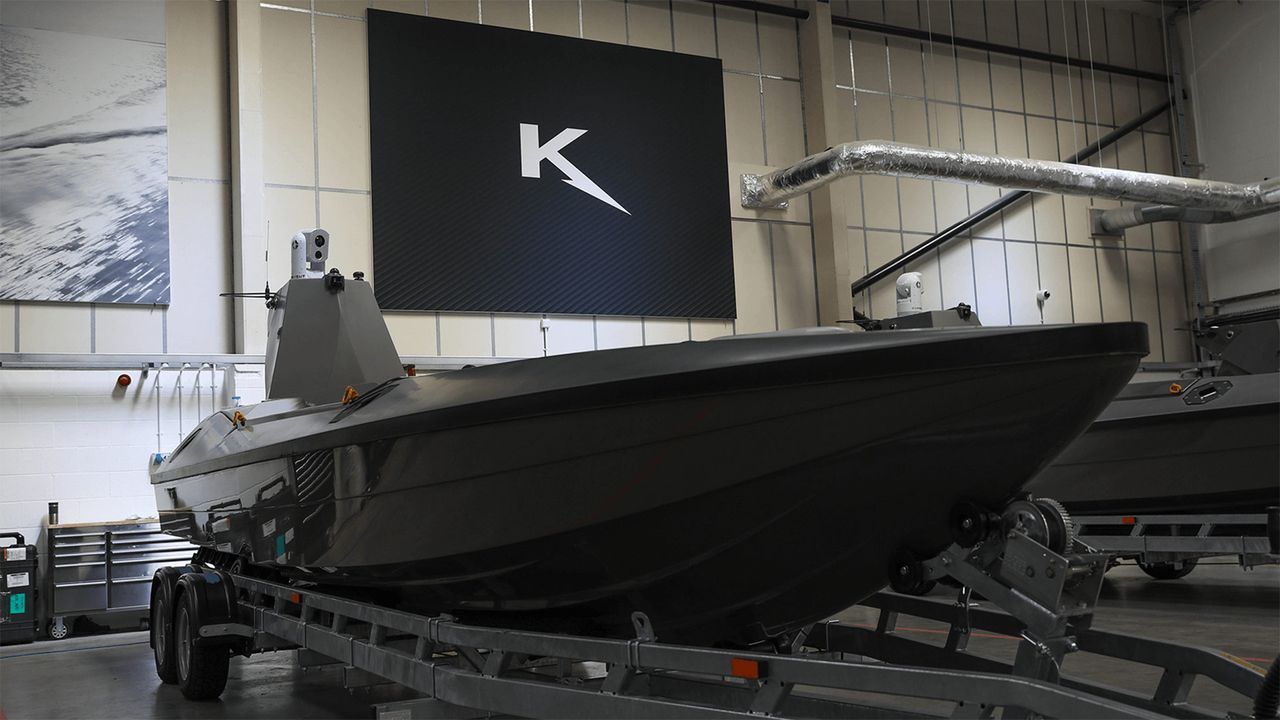
The cutting edge of naval surveillance, once heralded as a triumph of technology, has revealed a deeply unsettling secret: some advanced drones used by the Royal Navy may have inadvertently opened a backdoor, transmitting sensitive data to China.
Reports indicate that K3 Scout surveillance drones incorporate camera components capable of secretly sending data across borders. This finding raises serious questions about the security and provenance of critical defense technology deployed in high-stakes maritime environments.
When these anomalies were discovered, the Ministry of Defence (MoD) acted swiftly. They immediately removed all internet connectivity from the cameras to secure the system. While the transmission itself was limited—characterized by the MoD as merely “heartbeat communications” intended only to verify the device was online and functioning normally—the discovery exposed a significant vulnerability in operational security.
This incident reflects a broader geopolitical tension between technological advancement and national security concerns. Western governments have spent years pushing back against the ingress of Chinese technology into critical infrastructure, scrutinizing telecom brands like Huawei and ZTE for potential backdoors.
The scrutiny extends to drone manufacturing itself. As the utility and value of drones have soared—particularly evident during conflicts like the Russia-Ukraine war—so too has the focus on ensuring that platforms, whether developed in the West or elsewhere, do not harbor hidden features like killswitches or undisclosed monitoring capabilities.
Even within China’s own sphere of influence, the dependency on external components remains a flashpoint. Manufacturing entities in Taiwan have admitted that their drone operations are still reliant on Chinese components, adding another layer of complexity to supply chain security.
The trust dynamic within defense contracting is particularly fragile when cutting-edge equipment is involved. For instance, sea drones were reportedly acquired by a major British defense contractor, Kraken Technology Group, which sourced the cameras from a third party that offered assurances regarding security. However, this assurance proved insufficient, leading critics to suggest a major lapse in platform confidence.
While the MoD confirmed that the issues were identified during a routine cyber vulnerability assessment and found no evidence of access to sensitive Ministry data, the revelations nonetheless prompted strong reactions among ministers and observers who remain furious about the exposure.
These sophisticated unmanned systems continue to play a crucial role in global operations, from securing freedom of navigation in critical straits like the Strait of Hormuz to safeguarding undersea cable infrastructure. The ongoing challenge is to harness the power of drone technology while ensuring that innovation never comes at the cost of national security.
Buy on Amazon
Credit