Warframe director calls Destiny 2 demise “existentially threatening”
The gaming world recently witnessed a profound disappointment: the sudden and shocking conclusion of Destiny 2. Despite player demands for the franchise’s continuation, publisher Sony ended support, coinciding with developer Bungie making significant layoffs across the team. What started as a narrative about a single game’s demise quickly evolved into a stark commentary on the volatile business of the modern video game industry.
This seismic shift was more than just a content update delay; it revealed troubling dynamics within the corporate structure of gaming. Reports indicated that the downfall of such a massive franchise was tied less to gameplay and more to leadership decisions and financial pressures. Former developers suggested that internal leadership issues, rather than simple funding problems, played a larger role in severing ties with the game’s creators.
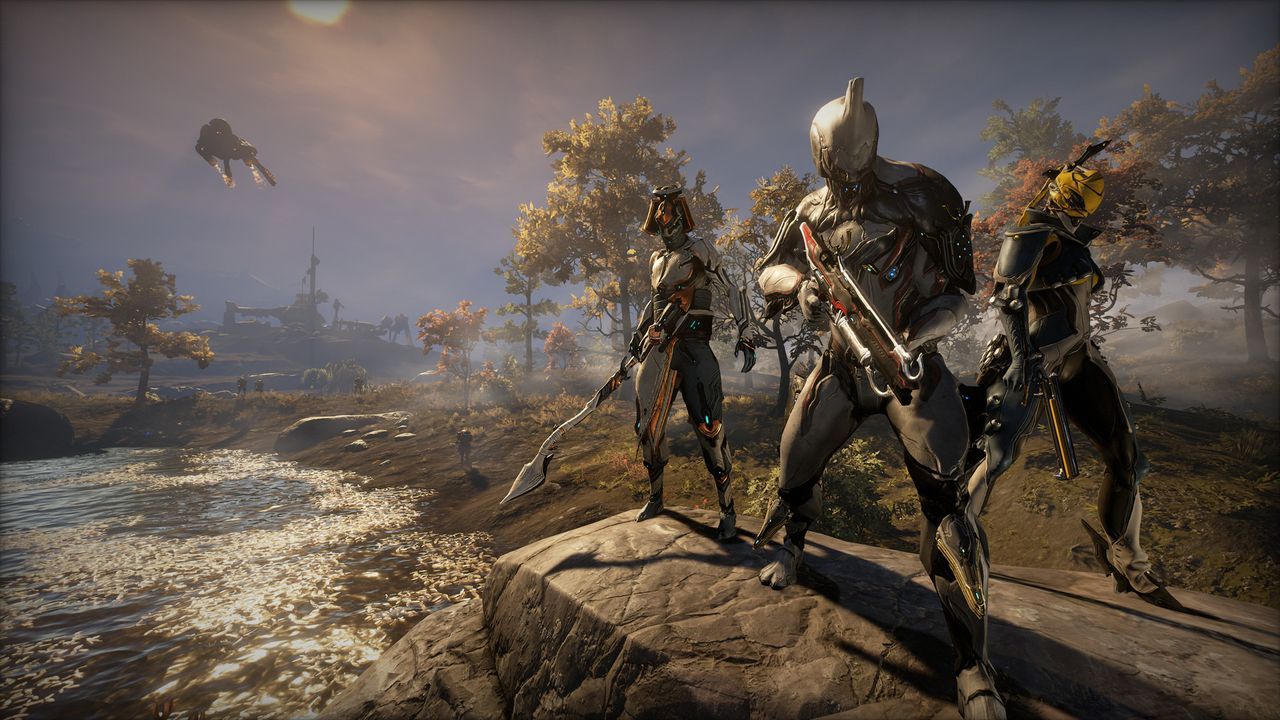
The reaction from those who create games is understandably sobering. Rebecca Ford, the creative director of Warframe, called the end of Destiny 2 “horrible news.” She pointed out that these events demonstrate a painful reality: even passionate creators often find themselves sidelined when the business side of the industry dictates fate.
“It shows that even if you care so much about your work, the business aspect of this industry always gets the last remark,” Ford stated. She emphasized that when an IP holder is not in control of its own future, the experience becomes existentially threatening to the creators involved.
This feeling of powerlessness extends far beyond Bungie and Sony. The recent closures and layoffs are symptomatic of a much wider trend across the gaming landscape. For instance, Microsoft’s Xbox initiated sweeping cuts, including 3,200 ongoing layoffs, as part of a broader corporate “reset.”
This restructuring has had ripple effects across the industry. Teams at studios like DOOM dev id Software and ZeniMax Online Studios have faced massive reductions in staff, leading to anxieties about the future of projects and support. Developers are now watching closely as these economic pressures impact future development timelines for major titles.
The current climate is defined by a series of devastating industry layoffs that have persisted since 2022. These cuts, exacerbated by factors like economic instability and hardware crises, illustrate how external forces can overwhelm creative vision.
Ultimately, the story of Destiny 2 serves as a grim reminder: in an era where corporate decisions often supersede artistic ambition, creators must grapple with the reality that the fate of their creations is increasingly decided not by gameplay, but by the merciless logic of the market. It leaves the community hoping that a brighter path lies ahead for game development.
Credit