Witcher dev struggles to remake as an open world
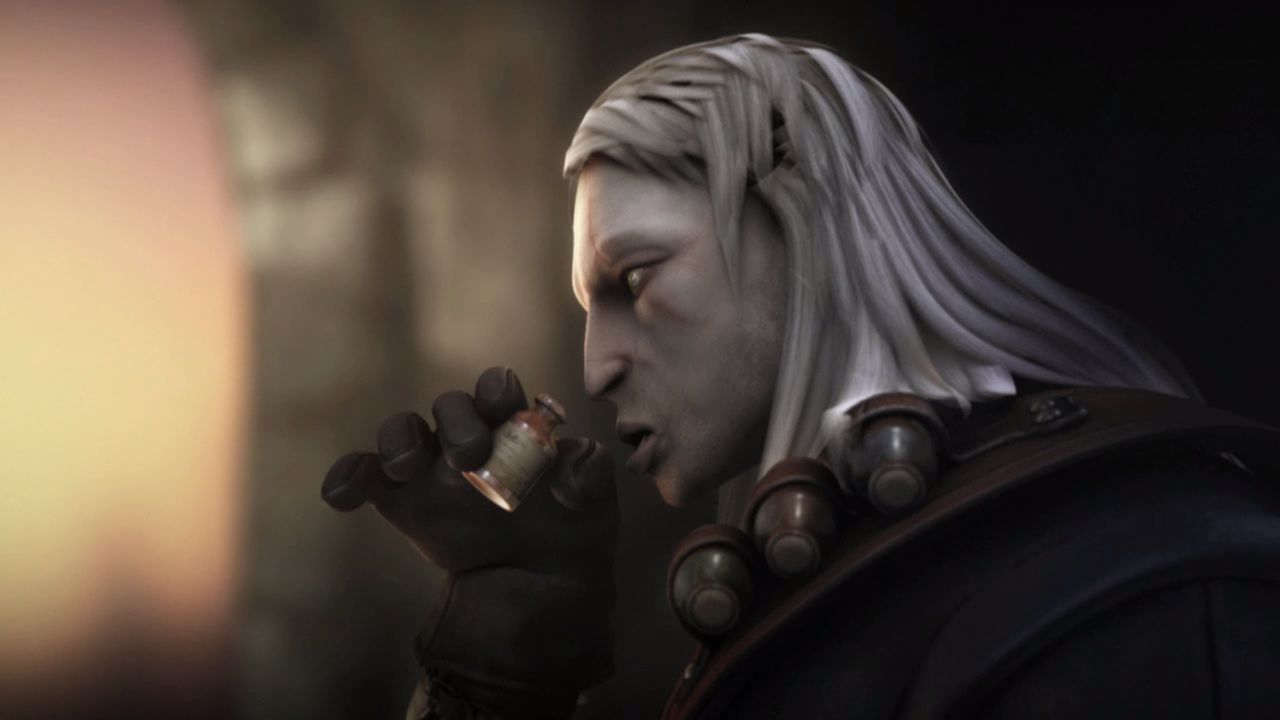
The landscape of open-world RPGs is constantly evolving, but when a beloved classic gets a modern reimagining, the challenge isn’t just updating graphics—it’s rethinking the very architecture of the game. This principle is currently driving the development of a remake of The Witcher, pushing developers to grapple with the complexities of transforming a historically linear experience into a sprawling, dynamic open world.
Taking the familiar framework of the original title and attempting to graft the expansive freedom of modern designs onto it presents fascinating design dilemmas. As one designer involved in the project explained, simply making something an open world is far more complicated than expecting a direct copy of another title; it requires weaving the new space seamlessly with the established lore and mechanics.
“In The Witcher 1, many things worked because we knew exactly where the player would be at any given moment,” explained one of the designers. “We could trigger a scene or insert an NPC between fields and villages effortlessly. But in an open world, that level of predictability vanishes.”
This shift introduces a critical challenge for developers: how do you maintain the internal logic and seamless flow of a narrative while granting players the freedom to explore and interact with environments in entirely new ways? The risk is that the established world could fall apart if the boundaries between old content and new systems are not handled perfectly.
The problem becomes acutely illustrated by the classic concept of spatial triggers. In traditional games, designers could rely on precise location awareness to launch events. In a truly open environment, players can approach locations and puzzles outside of intended progression paths, creating unexpected interactions that demand sophisticated systems to manage.
This design tension highlights the immense ambition behind the project. It is not merely a visual update; it is an attempt to change the fundamental nature of how players experience Geralt’s journey, forcing a reevaluation of what a narrative RPG can achieve in an open-world setting.
The goal is ambitious: to execute this do-over without sacrificing the rich, tightly woven narrative that made the original series so compelling. It requires balancing the nostalgic appeal of the past with the boundless possibility of the present, ensuring that every new path feels intentional and deeply integrated into the story.
Buy on Amazon
Credit
