WoW devs reject direct sequel like Guild Wars 2 Why start over
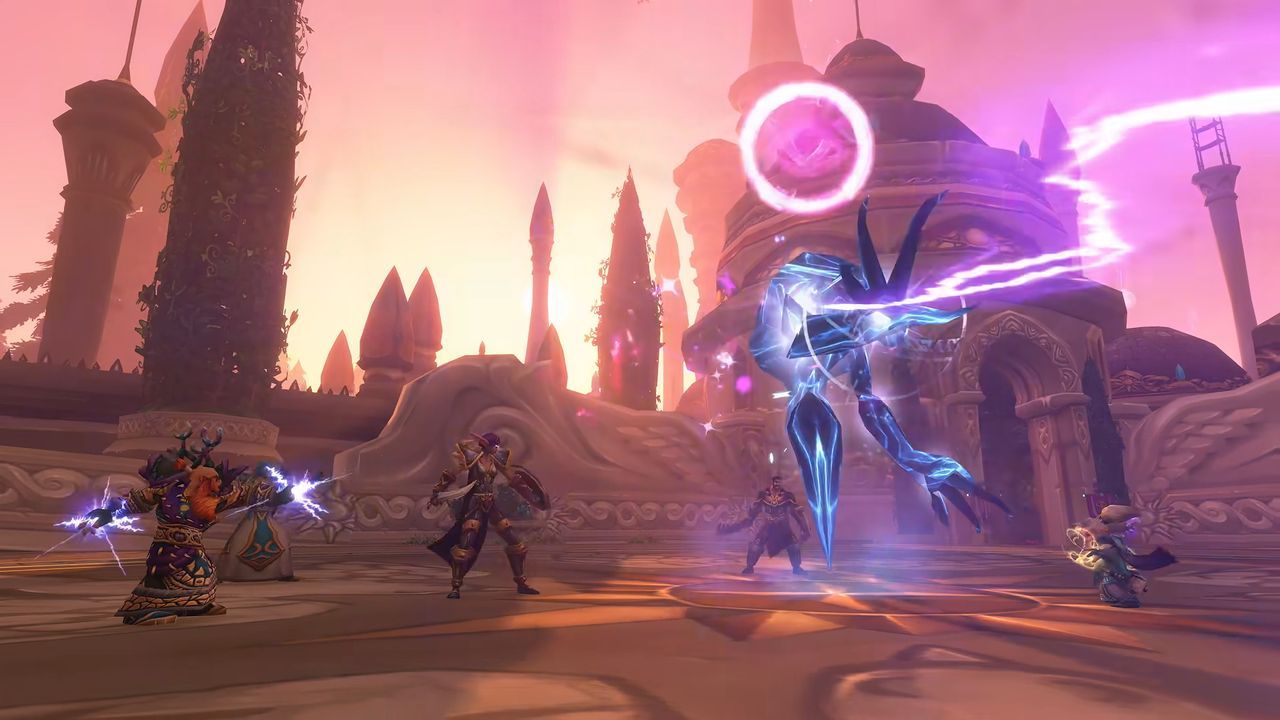
The future of World of Warcraft is being painted in a fascinating new light with the reveal of World of Warcraft: Forever. This isn’t just another seasonal reboot; it promises to be a full-scale remake of classic-era WoW, breathing new life into familiar lore while fundamentally reimagining the experience.
While details like optional transmogrification and new features like the $30 elves race might catch some eye, the real story lies in the deep design choices behind the project. The conversation quickly shifts from surface details to the very core of what makes the world of Azeroth tick.
Principal designer Kris Zierhut dives into the rationale behind the direction. Instead of starting from scratch, the team is leaning into the incredible foundation they’ve built over the last 25 years. The focus is squarely on refinement: better graphics, superior rendering, and smarter lighting. This isn’t just cosmetic; it’s about leveraging the game’s unparalleled engine and server infrastructure to deliver a visually stunning and technically optimized experience.
This approach reflects a savvy understanding of the modern MMO landscape. Modern WoW is already a different game—with new models, updated animations, and a completely revamped class structure. The promise of Forever is to fully embrace this evolution, using the current technological progress to achieve a level of polish that feels fresh and exciting.
The underlying question, however, is why remake rather than reboot? Some might argue that the technical debt accumulated over time, coupled with extensive design choices, would naturally point toward a complete overhaul like a hypothetical WoW 2. But there is another compelling argument for Forever: it is an opportunity to challenge established assumptions about MMO design itself.
By looking back at the evolution of the genre, designers have a chance to explore an alternate history—one that shows how modern MMOs are built. This allows for a fresh look at concepts like combat, movement, and world interaction, pushing the boundaries of what an open-world, action-focused game can be.
Ultimately, the vision for World of Warcraft: Forever seems to be less about discarding the past and more about refining it. It’s an exercise in taking a beloved, enduring design and showing how powerful technical evolution can unlock even greater magic, proving that the greatest adventure often lies in perfecting the framework we already possess.
Buy on Amazon
Credit