Arkane founder reveals why Valve cancelled Ravenholm: The economics
The Ghost in the Machine: How Economics Killed a Game That Almost Was
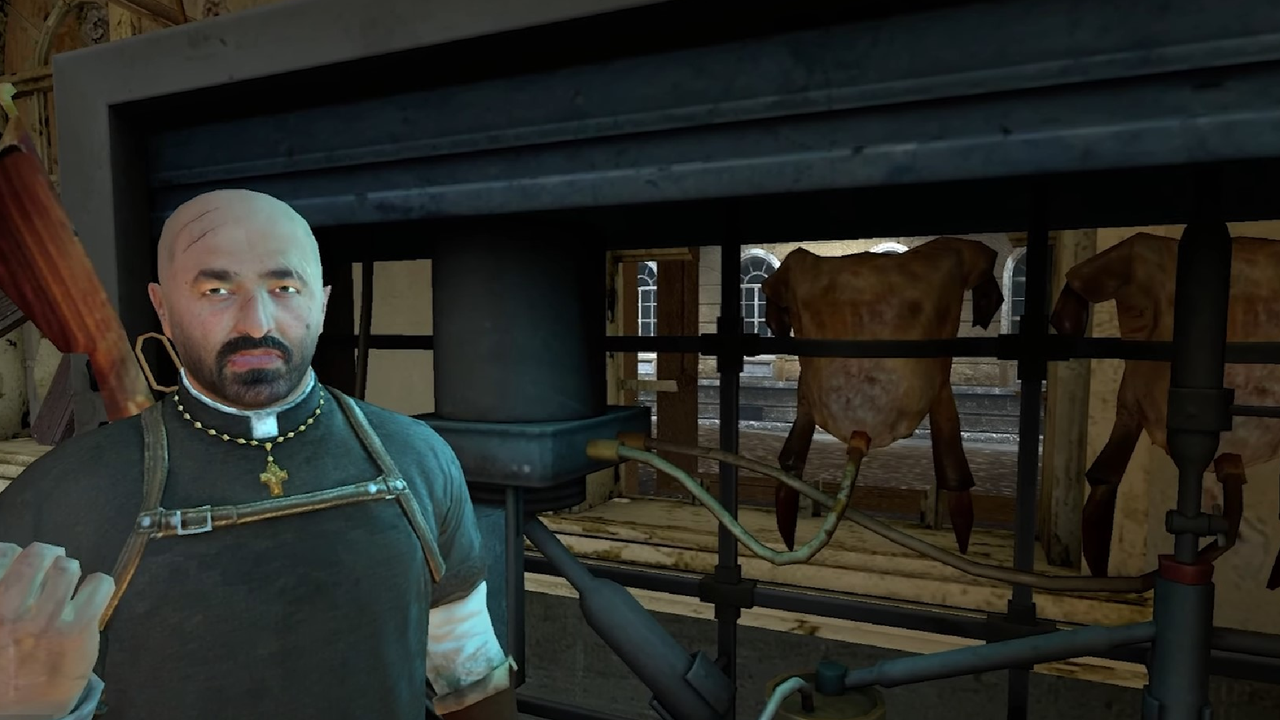
In the sprawling, often celebrated history of video game development, there are projects that linger in the shadows—quiet tragedies that never saw the light of day. One such ghost haunts the archives of Valve and Arkane Studios: a standalone Ravenholm game, a concept that was meticulously developed but ultimately canceled, leaving behind a potent reminder of the brutal reality of the industry’s economics.
Back in the late 2000s, Arkane Studios was deeply involved in crafting an experience set in Ravenholm. This project wasn’t just a side quest; it was a full-fledged ambition, slated to unfold over ten levels, brimming with potential. Yet, fate intervened. The project was shelved, a casualty of corporate strategy and shifting market realities.
Decades later, the echo of that lost creation resurfaced online, providing a full hour of footage that allowed the public to glimpse what might have been. This accidental glimpse serves as a powerful reminder that even the most promising creative sparks can be extinguished by cold, hard figures.
Raphaël Colantonio, the founder of Arkane, reflects on this period not with bitterness, but with a weary sense of understanding. Speaking recently, he detailed how the decision to cut the Ravenholm project felt like a disconnect between creative vision and business practicality. “It took us a decade to move on from the pain of the Ravenholm project because we were incredibly excited about doing that game and we put in a lot of creative energy into it,” Colantonio shared. “When the decision was made to cut it, we simply did not understand it as it happened.”
For Colantonio, the outcome boiled down to the financial landscape of the time. He noted that the trajectory of the development was ultimately dictated by the economics surrounding major titles like Half-Life 2 and the strategy of their DLC sales. The creative drive often collided with the business necessity: figuring out the ratio between what the studio could afford to spend and what would generate a worthwhile return for the entire structure.
Viewing the period in retrospect, Colantonio sees Arkane’s involvement as a fascinating experiment. The pursuit of the Ravenholm concept, alongside other attempts, tested the boundaries of what was possible. While the result was painful, it fostered a necessary maturation, teaching the team the stark difference between artistic desire and market reality.
This reflection is particularly poignant when considering the trajectory of Arkane itself. The studio managed to find a second chance with a monumental title like Dishonored, achieving immense success. However, the journey was far from smooth. The company navigated complex corporate waters, including Microsoft closing Arkane Austin and the ongoing legal complexities surrounding the Lyon studio. The history of Arkane is a testament to the fact that even brilliant creative teams are often caught in a relentless cycle of corporate decisions.
Ultimately, the Ravenholm story stands as a subtle commentary on the industry: a reminder that while creativity is limitless, it must ultimately negotiate the often unforgiving laws of finance. It’s a tale not just of a canceled game, but of the complex, sometimes melancholy relationship between imagination and the market that defines the gaming world.
Buy on Amazon
Credit