DFP’s freedom from Xbox costs a heavy sacrifice
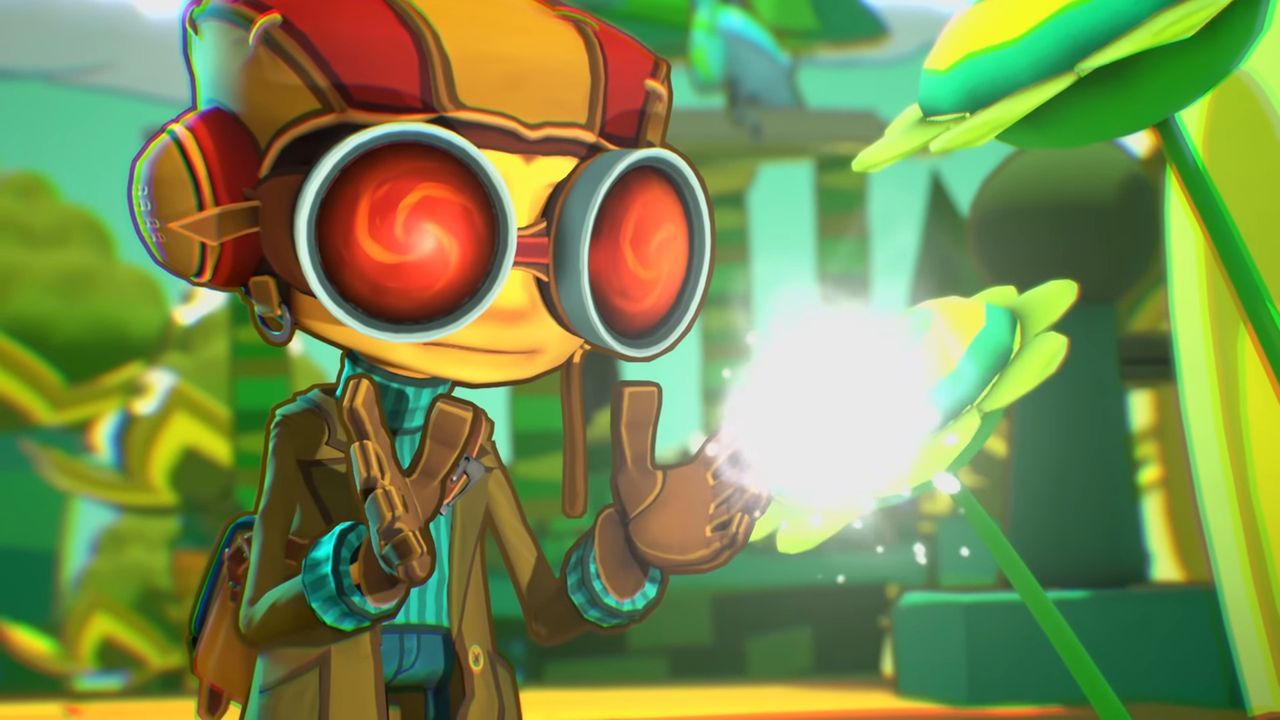
Three weeks ago, the gaming world was in a state of flux following Xbox‘s massive restructuring. This shakeup resulted in significant changes for employees across the platform, but for some creative studios, the resulting decisions meant choosing freedom over corporate comfort.
The story of Double Fine Productions offers a sharp illustration of this tension. While the larger entity underwent a sweeping overhaul, DFP made the difficult choice to establish itself as an independent company. This transition was not without cost; studio head Tim Schafer announced that to secure the studio’s future, they had to implement layoffs, affecting 23 employees.
Schafer framed this action as necessary for survival: “As a small, tightly-knit team, these actions are not taken lightly. Only the survival of our studio would ever make us consider such a painful action. Our transition to becoming an independent company also means becoming a size that we can sustain.”
Despite the pain of the necessary cuts, the decision underscored a fundamental shift: the desire for creative autonomy outside the direct control of a massive corporation. For studios like Double Fine, leaving the orbit of Xbox provided the breathing room necessary to pursue wild and unique game development without constant corporate meddling.
The impact of this separation goes beyond internal studio matters. Losing a creative powerhouse like Double Fine is a significant blow to the broader Xbox brand, which has been admired for fostering innovative gameplay experiences, including titles such as Psychonauts, Brütal Legend, and Kiln.
This shift brings up larger questions about the relationship between platform holders and their creators. Some observers argue that this separation may have been beneficial for Double Fine Productions in the long run, allowing it to focus purely on its artistic vision without being constrained by corporate priorities.
Furthermore, this event places the restructuring within a wider context of concerns surrounding Microsoft’s management of its services and development environment. There have been persistent public discussions regarding the stability of digital services, including service outages, issues with user account access, and evolving policies around artificial intelligence integration.
If Microsoft intends to maintain the loyalty of its fanbase, it must address these systemic issues head-on. The narrative surrounding the ‘reset’ suggests that sustained success for the Xbox brand will depend not just on hardware sales, but on demonstrating stability and respecting the autonomy of the talented developers who make the games possible.
The journey of Double Fine Productions serves as a powerful reminder that artistic innovation thrives best when given the space to flourish, free from excessive corporate oversight.
Buy on Amazon
Credit