I compared 20 years of RAM kit prices using a calculator
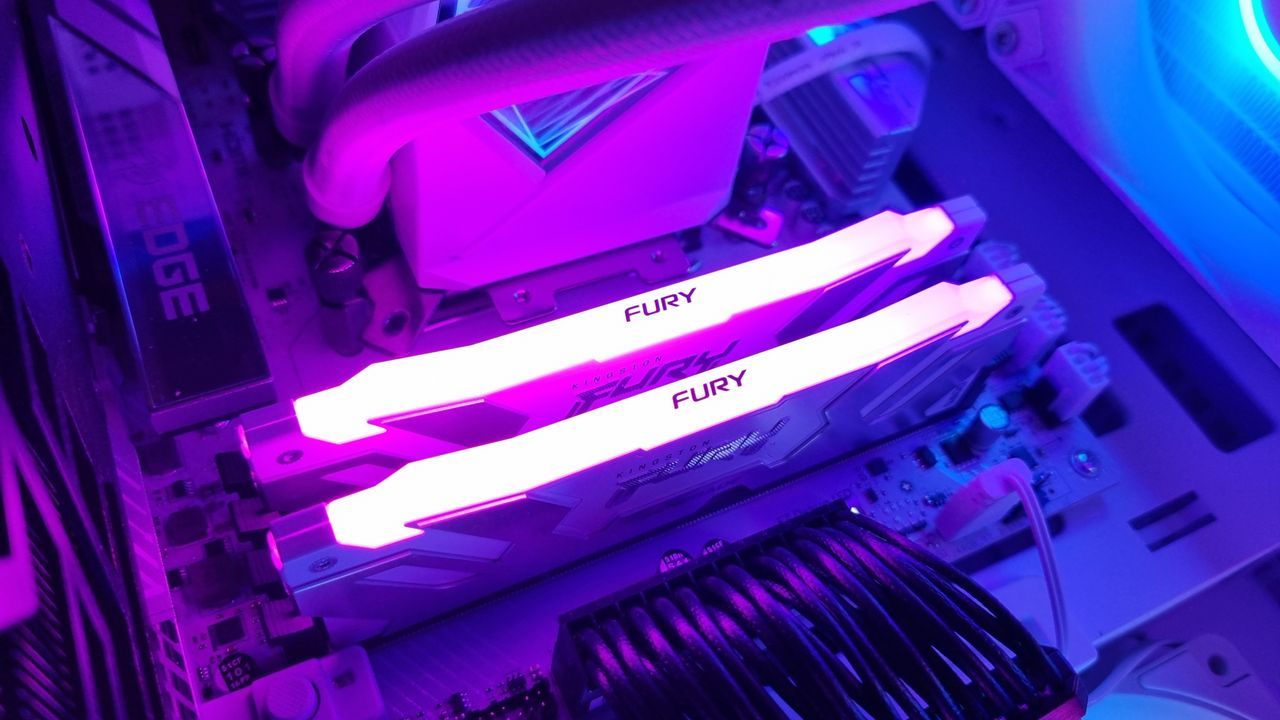
The cost of computer memory has reached a fever pitch, fueling the ongoing global memory shortage and making every gamer’s budget hold its breath. But when we look at today’s prices, it can be helpful to step back and see just how far we’ve come—and how much we’ve lost.
For decades, computer memory has been falling at an exponential rate. Yet, despite this massive technological progress, the current market price for RAM feels almost jarringly high. One expert observed that on a historical basis, RAM per unit is about as expensive as it was back in 2007.
To truly grasp the scale of this shift, we have to look at what it took to get memory into the hands of everyday users. Back in 2007, when enthusiasts were building their systems, a decent amount of RAM—like 4 GB (2x 2 GB) DDR2—was achievable for a relatively modest sum. Forum discussions from that era showed that good deals on such kits could cost around $100 to $160, factoring in inflation and specific deals.
When we calculate the price per gigabyte then, the rates were considerably higher, generally ranging between $25/GB and $30/GB for popular DDR2 systems. That was the era of shocking value; users could find 4 GB of fast memory at bargain prices that seemed impossible now.
Fast forward to today with DDR5 technology. While memory has indeed gotten cheaper on a strict price-per-gigabyte basis—with modern kits hovering around $15 to $16 per GB—the real comparison isn’t about the theoretical unit cost, but about what it actually costs to build a functional gaming rig.
Today, achieving a practical amount of RAM for a high-end gaming PC requires a significantly larger investment. Getting 32 GB of fast DDR5 memory now can cost around $500, and a reasonable minimum of 16 GB is already priced near $250. This represents a massive jump from the previous era.
When you weigh the actual needs of a modern gaming setup—moving from simple 4 GB requirements to needing 16 GB or 32 GB for smooth performance—the cost gulf between then and now becomes truly staggering. The progress in technology allowed us to hold much more information in smaller spaces, yet when it comes to memory hardware, that progress has been effectively undone by the current market pressures.
The historical trend of falling prices per gigabyte is a story of innovation. But for end-users, the reality is stark: while technically RAM might be cheaper per unit today, obtaining the necessary performance level costs four times more than it did just a few years ago. It’s a powerful reminder that sometimes, progress isn’t linear when you look at the bottom line.
Credit