
New Photos reveal mysterious Windows Phone prototype
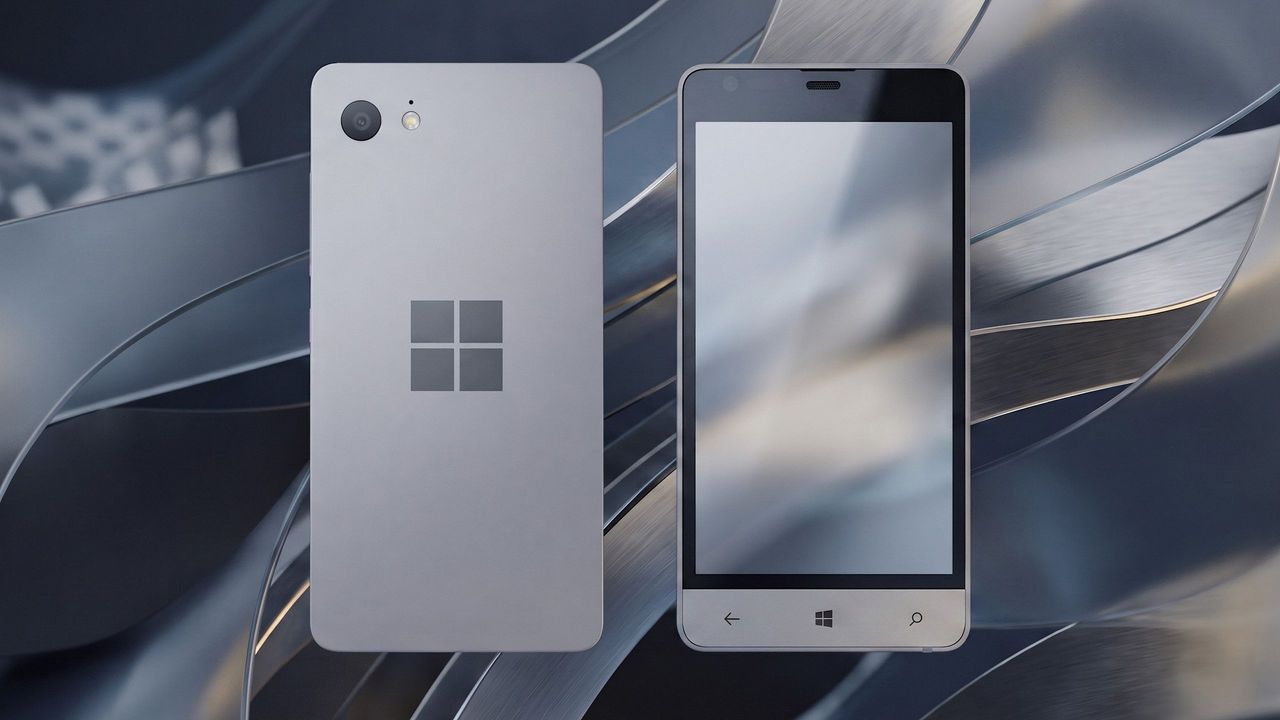
Before Microsoft was busy shuffling hardware and strategy, there was a fascinating, almost phantom project brewing in the background: an in-house Windows Phone device. Long before the world saw official announcements, internal rumors suggested that Microsoft was quietly developing its own vision for a dedicated mobile experience, one that might have been packaged under the Surface umbrella around 2014.
While this particular handset never made it into public circulation, whispers of prototypes hint at a design philosophy that felt remarkably sleek and forward-thinking. One intriguing piece of internal history involves a device possibly codenamed Raven, glimpsed during the 2013-2014 development window. These early images reveal a device that blended corporate aesthetics with functional hardware.
The prototype hinted at a sophisticated design, featuring a silver metal frame that subtly echoed the color palette of contemporary devices like the Surface 2. It was built on an early pre-release build of Windows Phone 8.1 and powered by an unknown Qualcomm chip, promising a clean interface rooted in Microsoft’s evolving operating system.
Beyond the external look, the internal design suggested thoughtful engineering. These concepts included dedicated hardware keys for navigation seamlessly integrated into the chassis. The aesthetic was undeniably so clean, hinting at a focus on minimalist design that prioritized tactile interaction over clutter.
Further details from these mock-ups suggest a complete set of physical controls: individual up and down volume buttons, a dedicated camera button, a power switch, and standard ports like micro-USB and a headphone jack. A SIM card slot was also positioned discreetly on the device’s side.
This internal exploration speaks volumes about Microsoft’s ambition during that era. It was a time when the company was simultaneously chasing the Surface vision and managing major acquisitions, most notably the purchase of Nokia in 2014. The development of this potential Windows Phone device likely paused as strategic priorities shifted.
The concept also ties into other long-term ambitions within Microsoft. Back then, there were ongoing experiments with entirely new ways to deliver mobile connectivity, such as the idea of a “Skype Phone“—a Windows Phone experience leveraging Skype for all calls and messaging instead of relying on traditional carrier networks. It’s a reminder that the trajectory of mobile hardware is often defined by the ideas we explore internally, even if they remain just prototypes.
Ultimately, the story of this unreleased device remains a fascinating look at what could have been—a tangible piece of internal hardware history that complements the later lines, such as the Surface Duo and the Lumia devices, which followed divergent paths in realizing the Windows Phone ecosystem.
Buy on Amazon
Credit