
Laser charging keeps drones airborne indefinitely
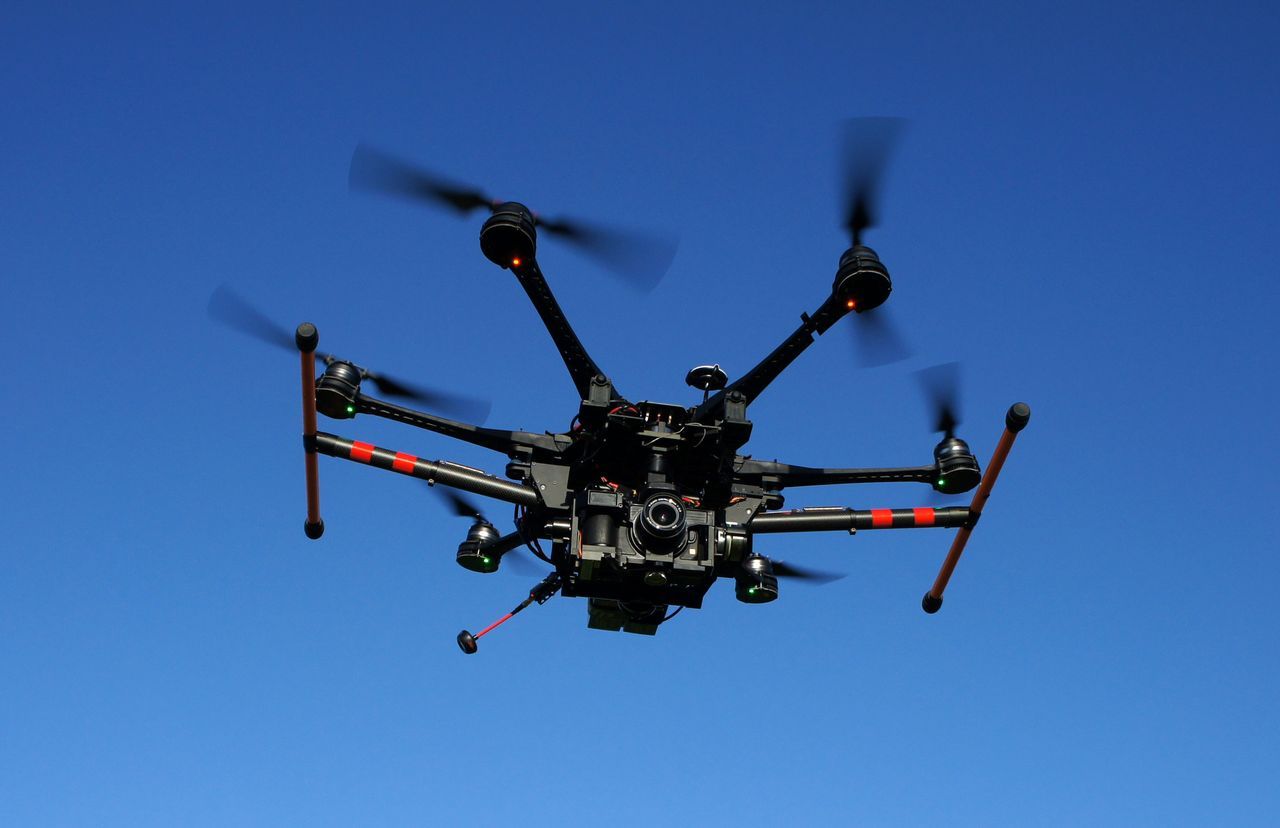
The future of flight is buzzing with possibilities, but keeping those airborne marvels—drones and UAVs—charged efficiently remains a persistent puzzle. For years, reducing or even eliminating downtime for drone charging has been a major focus in research, promising a revolution in how we deploy unmanned aerial vehicles.
Recently, scientists at the Civil Aviation University of China announced a significant leap forward: a breakthrough in laser-based Over The Air (OTA) charging technology. This innovative system demonstrates the potential to convert energy with impressive efficiency, marking a major step toward practical, continuous flight for drones.
The core of this achievement lies in harnessing light from the ground to power the drone directly. The team developed a lightweight receiver designed to harvest energy from a laser beam transmitted through the air. To make this work, they employed a sophisticated system known as a perovskite laser cell-thermoelectric (PLC-TE) tandem device. This ingenious setup combines two methods of electricity generation: the perovskite layer captures the laser energy, while the thermoelectric layer recovers heat to generate additional power.
However, chasing high efficiency comes with a serious hurdle. The intense laser beams required for this method generated excessive heat, rapidly warming the receiver to blistering temperatures of 80 to 90 degrees Celsius. This thermal buildup threatened to degrade performance and potentially damage the aircraft itself. As one researcher noted, this realization shifted their focus: “That was much higher than we expected and made us realize that heat buildup was a far more serious problem than we had imagined.”
To conquer this formidable challenge, the team engineered two clever solutions. First, they integrated special nanocrystals into the receiver material. Because these nanocrystals are poor heat conductors, they acted as an internal thermal barrier, effectively shielding the sensitive perovskite and thermoelectric layers from overheating.
Second, to manage the remaining heat efficiently, the team incorporated aerodynamic cooling by adding air channels to the drone’s wings. As the propellers spin, airflow naturally passes through these channels, whisking excess heat away and keeping the entire system remarkably cool. This combination of advanced nanomaterials and smart aerodynamics resulted in a respectable 38.49% energy conversion efficiency during testing—one of the highest reported for this class of technology.
While these systems are still moving past the laboratory stage, establishing a crucial foundation for future continuous flight. The next phase will involve tackling complex safety and tracking challenges necessary for drones to move from simple charging to fully autonomous operation. Nevertheless, this research establishes a powerful starting point for the exciting evolution of drones and UAVs.
Credit