
Mask reveals 5000 transistors of fabled Intel 8080 CPU layout
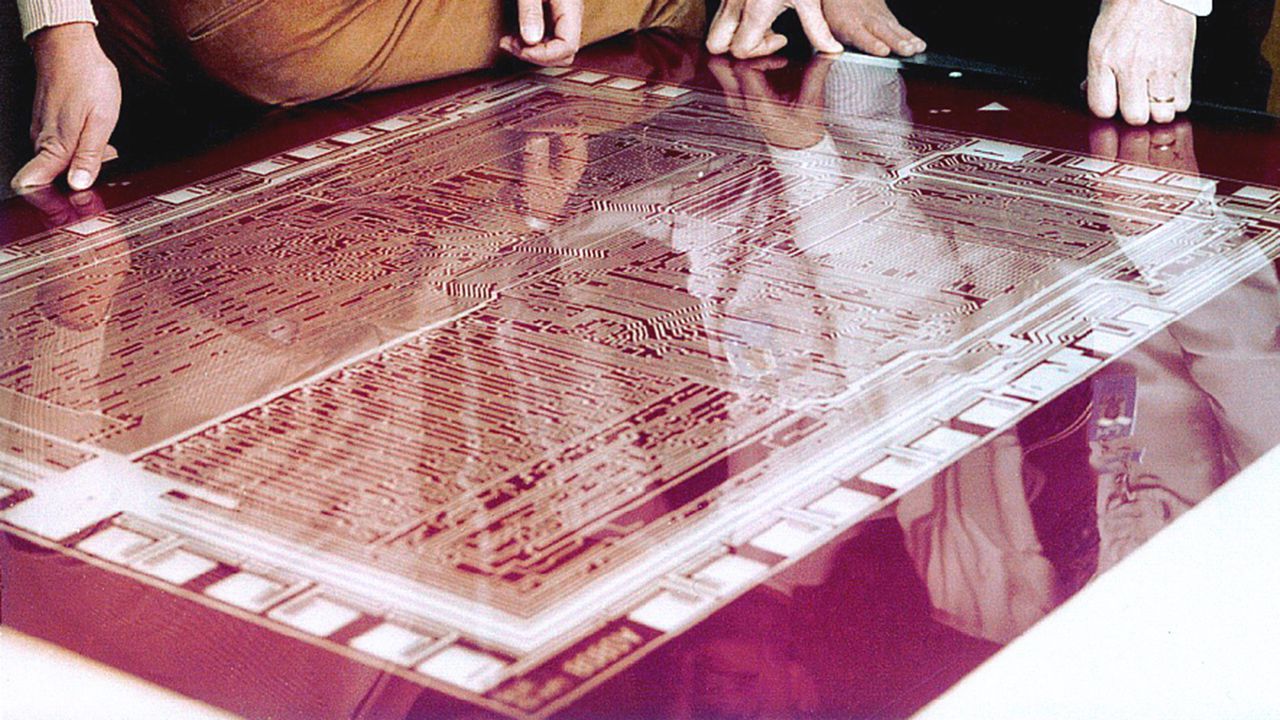
The Lost Artifact: Hunting for the Original Intel 8080 Rubylith Mask
In the world of technology history, some artifacts transcend mere objects; they are tangible pieces of the dawn of the digital age. One such item is currently on the hunt: a claimed original engineering copy of the Intel 8080 rubylith mask, an invaluable relic from the birth of microprocessors.
The quest for this piece of silicon history has gained new momentum thanks to the owner, Tom Lynch. A self-described arborist and founder of an AI infrastructure startup, Lynch has shared a photograph of the framed artifact on social media, seeking a skilled restorer to help bring this piece of engineering back to life.
The significance of this mask cannot be overstated. Rubylith itself was not just film; it was a revolutionary tool that predated digital design. This adhesive, peelable red film allowed engineers to define where light would be exposed during the photolithography processes—the critical steps required to etch intricate designs onto semiconductor wafers.
This specific artifact represents an era when groundbreaking processors were born through meticulous manual drafting rather than modern CAD software. The Intel 8080, the chip at the heart of this treasure, was architected by Federico Faggin and was drafted in a human-scale format, requiring immense skill to map complex designs onto large sheets of material.
The resulting document is an intricate drawing, often scaled up one hundred times larger than the finished processor die. It details the path for over 5,000 transistors and intricate traces, a monumental feat accomplished before the age of digital design tools.
The impact of the 8080 was seismic. It served as an essential 8-bit microprocessor that fueled the advancement of personal computing. It was the foundational architecture for systems like the Altair 8800, the original target for the CP/M operating system, and laid crucial groundwork for the later x86 architecture.
This chip didn’t just power PCs; it redefined how we interacted with technology. Its influence extended into entertainment, even subtly impacting early arcade design by bottlenecking gameplay pacing in titles like Space Invaders.
The artifact itself is tied to the giants of the industry. A photograph exists showing Intel co-founders Andy Grove, Robert Noyce, and Gordon Moore standing beside an Intel 8080 rubylith in 1978, lending further historical weight to the piece being sought today.
Now, this unique historical document is looking for a new chapter. As experts seek to restore it, they are not just mending film; they are preserving a physical link to the moment computing moved from theoretical concept to tangible reality.
Buy on Amazon
Credit