
Micron brass wins ‘memory crisis’ award: ‘No line of sight’
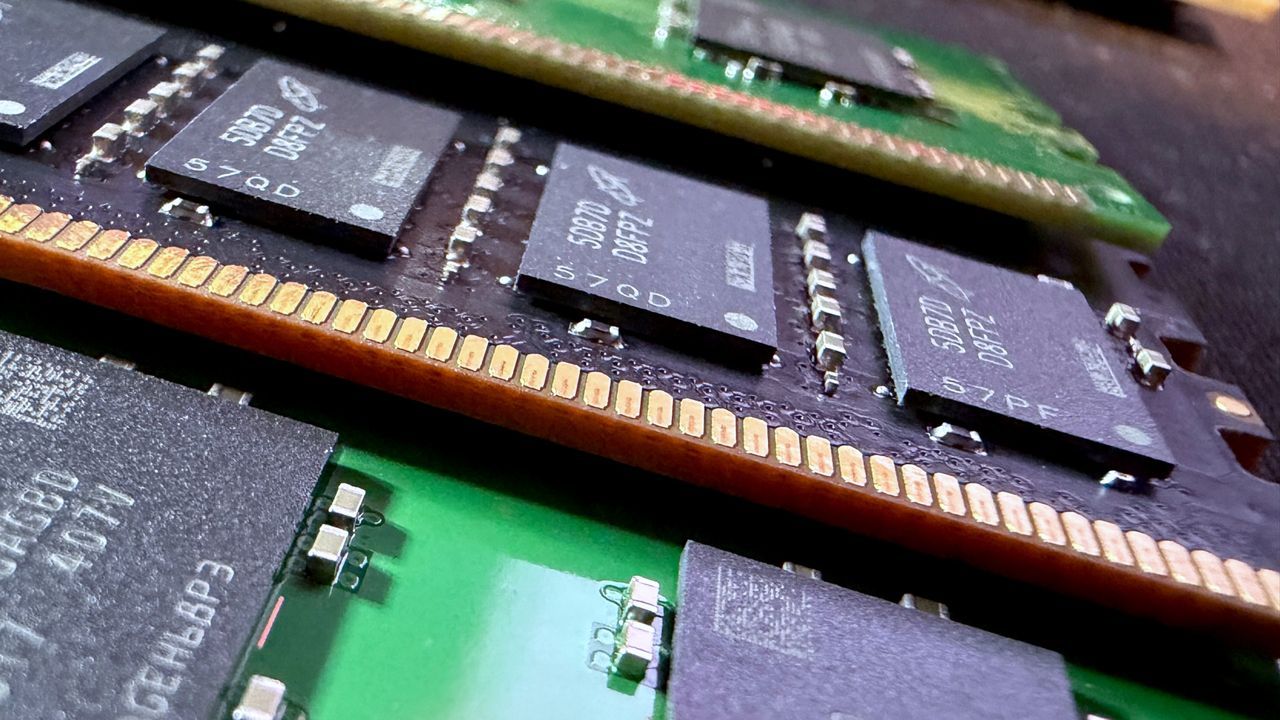
In the rapidly evolving world of technology, a persistent concern hangs over the hardware landscape: the memory crisis. While new fabrication facilities are being planned to boost supply, the sheer complexity and timeline involved offer more caution than celebration for those anticipating the next few years of electronic purchases.
The pressure is immense. The demand for memory modules has skyrocketed, primarily fueled by the exponential growth of AI server-critical components. This demand feeds into the high-stakes world of High Bandwidth Memory (HBM), creating a bottleneck that strains the entire supply chain.
Micron’s executive vice president and chief business officer, Sumit Sadana, recently highlighted just how difficult this expansion is. He pointed out that meeting this growth requires not just more materials, but the construction of entirely new, massive fabrication clusters—or greenfield expansion. This endeavor is described as one of the most complex engineering projects globally, demanding incredible feats in construction and advanced technology.
The complexity sets these large-scale memory facilities apart from other high-growth sectors. Building a sophisticated leading-edge technology front-end fab is an entirely different beast than constructing a data center. While building server infrastructure can grow quickly like weeds, developing the necessary semiconductor capacity takes significant time and careful sequencing.
This difference in pace creates a critical disconnect: demand for memory modules is outpacing the timeline required to produce enough wafers. As Sadana noted, there is currently no clear line of sight between when the supply vector will intersect with the rising demand vector.
The result is frustrating for the average consumer. Even with competitors like SK hynix and Samsung also investing in new production facilities, estimates for when meaningful increases in memory modules will stabilize prices remain wildly varied.
Despite the uncertainty, some predictions suggest that the crisis may not last forever. Forecasts for relief range from the second half of 2027 to the end of 2030 and beyond, largely dependent on surges in capacity, particularly from global manufacturing hubs.
Ultimately, while the engineering challenges are monumental, the industry seems to be navigating this period by betting on the long haul. Whether new memory-optimized AI models will shift server demand, or if the broader AI hype cycle eventually shifts, the market is waiting for clarity on when the supply and demand vectors finally align.
Buy on Amazon
Credit