Photonics in the crosshairs: The tech race for AI dominance amid US-China tensions
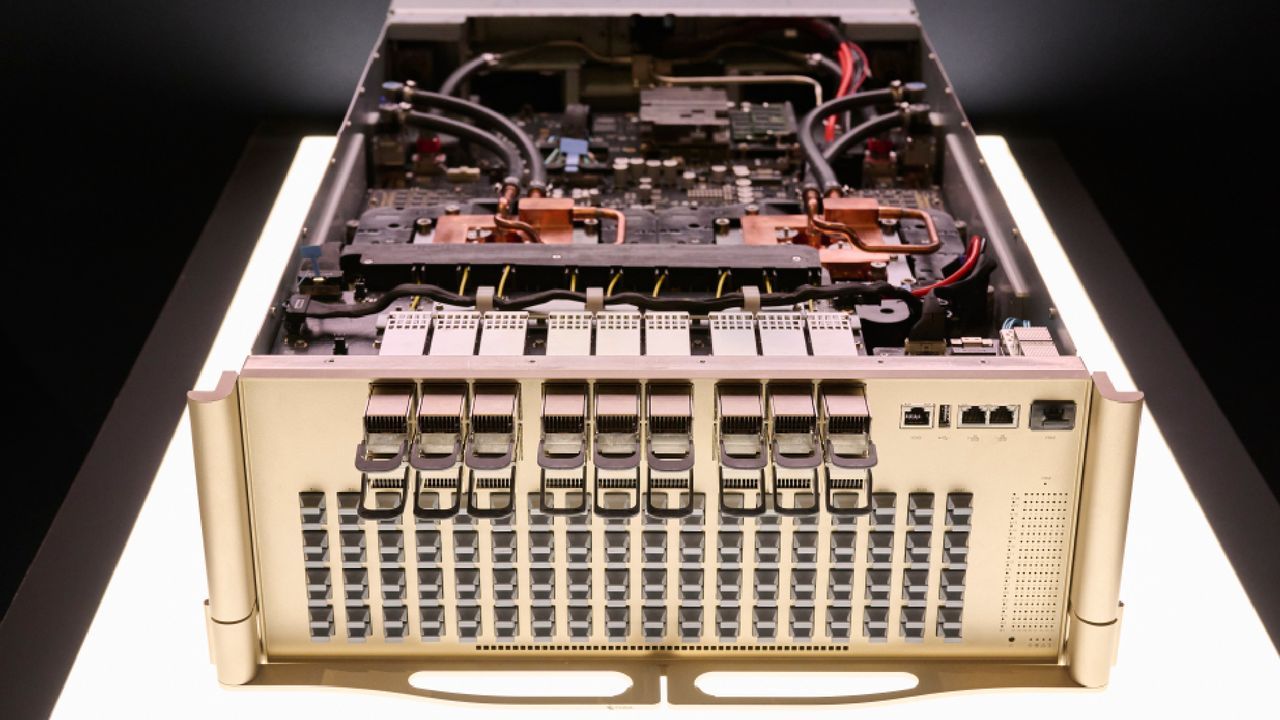
The race to build the next generation of Artificial Intelligence is running not just on processing power, but on the speed at which data can travel between those processors. This pursuit has hit a critical roadblock: the “photonics bottleneck.” As AI clusters scale into the hundreds of thousands of processors, moving data fast enough across them has become the ultimate challenge, turning the quest for optical interconnects into a high-stakes geopolitical battleground.
At the heart of this struggle is the physical reality of computing. While copper interconnects have long dominated, pushing signaling speeds toward 200 Gbps has exposed physical limitations like attenuation and crosstalk. The solution lies in photonics—converting electrical signals into light for transmission over fiber—which allows for massive data throughput with lower power. This technology is arguably the hottest innovation in AI infrastructure right now, driving vendors to race from 800G modules to 1.6T parts and develop co-packaged optics to bridge the gap between chips and communication systems.
This technological sprint has immediately morphed into a supply chain tug-of-war. Companies like Nvidia, Marvell, Coherent, and Lumentum are pouring billions into this space, recognizing that controlling the flow of optical hardware is essential for future AI dominance. The massive investment reflects the belief that mastering photonics is synonymous with mastering the data center’s foundation.
The stakes of this race are amplified by the global trade tensions. As the US and China navigate a complex landscape, key technologies are increasingly being weaponized. The Federal Communications Commission (FCC) is now actively drafting a measure to block imports of new Chinese optical transceiver models, aiming to target these vital AI interconnects.
This move reflects Washington’s deep concern that these hardware components could become vectors for data theft or service disruption. It ties directly into a broader technological conflict where the photonic layer of every future data center might determine global economic power.
The market reaction to this potential ban was immediate and volatile, causing significant shifts in trading for both Chinese and Western technology firms. While some Chinese companies experienced dips, others saw gains, highlighting the deep mutual entanglement within the supply chain. The complexity arises because the largest customers of China’s photonic hardware are often the United States.
China is not standing still; it is responding to these restrictions by aggressively pursuing domestic innovation. Efforts include establishing dedicated photonic chip fabrication lines and developing manufacturing approaches that bypass existing restrictions, such as using nanoimprint lithography to produce wafers without relying on external equipment. Domestic firms are also certifying their own AI chips for government procurement, signaling a push toward self-sufficiency.
Despite the geopolitical maneuvering, the material reality remains complex. Chinese vendors currently lead global shipments of transceiver units and datacom revenue. However, the deep supply chain entanglements mean that Western rivals still rely on specific Chinese materials, creating a paradoxical dependency where security fears collide with established market realities. As the world gears up for critical AI infrastructure development, the fate of this optical race is proving to be far more consequential than any single technology debate.
Buy on Amazon
Credit